
The path seemed set in stone, irrevocable. In March 2023, the European Union officially enacted the end of new internal combustion vehicle sales by 2035. Yet, less than two years later, doubts are settling into political circles, and certain voices within member states are now calling for a relaxation, or even postponement of this deadline. Italy, Poland, and Hungary are increasingly opposing what they consider an overly rigid trajectory.
These challenges aren’t purely ideological: the European automotive industry is going through a period of uncertainty, where massive investments in all-electric are seemingly hitting concrete limitations—charging infrastructure, social acceptance, economic barriers, and declining sales. The dream of 100% battery mobility is running into market reality… and growing pressure from the industry, which is advocating for a more open technological transition.
This gradual reversal, still informal but increasingly audible in Brussels, could reshape the cards for years to come. Through this emerging fracture, the entire balance between environmental regulation, industrial competitiveness, and technological choice freedom is being questioned. And France, at the heart of this balancing act, won’t escape it.
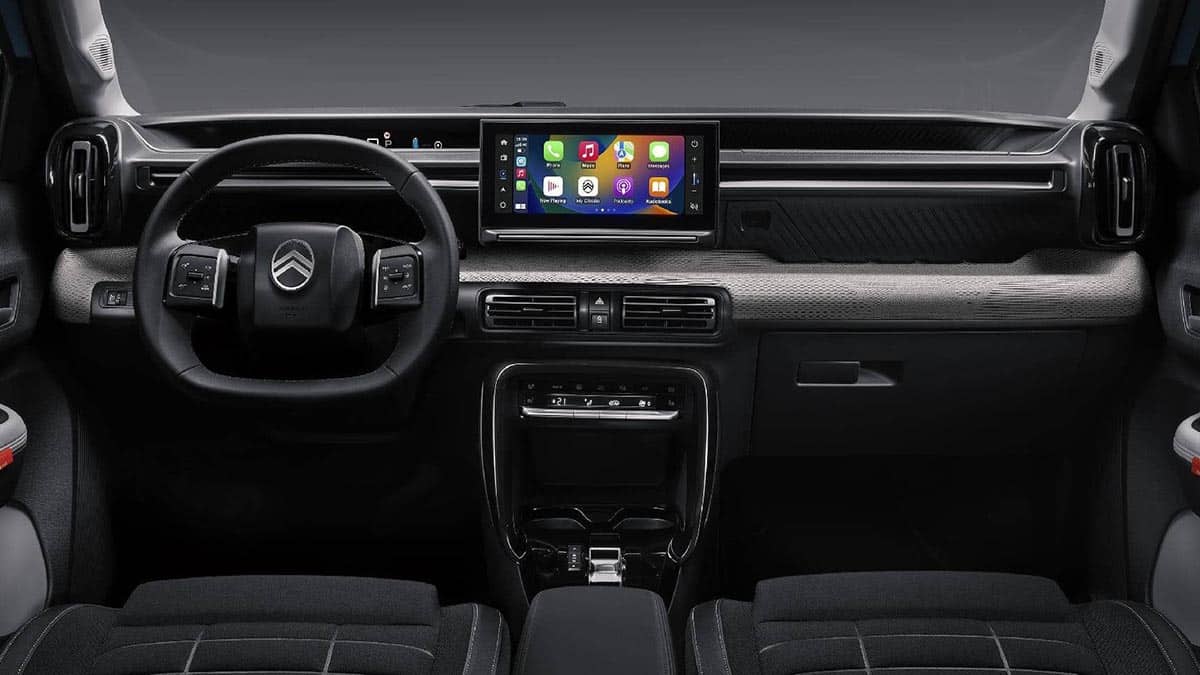
The 2035 Deadline Weakened by European States
Previously considered a pillar of European climate strategy, the 2035 deadline for ending combustion car sales is now seriously questioned. Several member states—including Italy, Hungary, and Poland—are asking the European Commission to reconsider this direction. Their objective? Allow a more flexible technological transition, less focused solely on 100% electric battery powertrains.
These countries advance a central argument: citizens aren’t ready to massively adopt electric vehicles, particularly due to purchase prices, lack of charging infrastructure, and perceived range limitations. They also denounce an overly rigid technological approach that would exclude other decarbonization paths, like long-range plug-in hybrids or synthetic fuels.
While this position remains a minority among the 27, it finds growing resonance in the European automotive industry, where the 2035 prospect is now less perceived as a finish line than as a political adjustment variable. Yesterday’s consensus seems to be cracking.
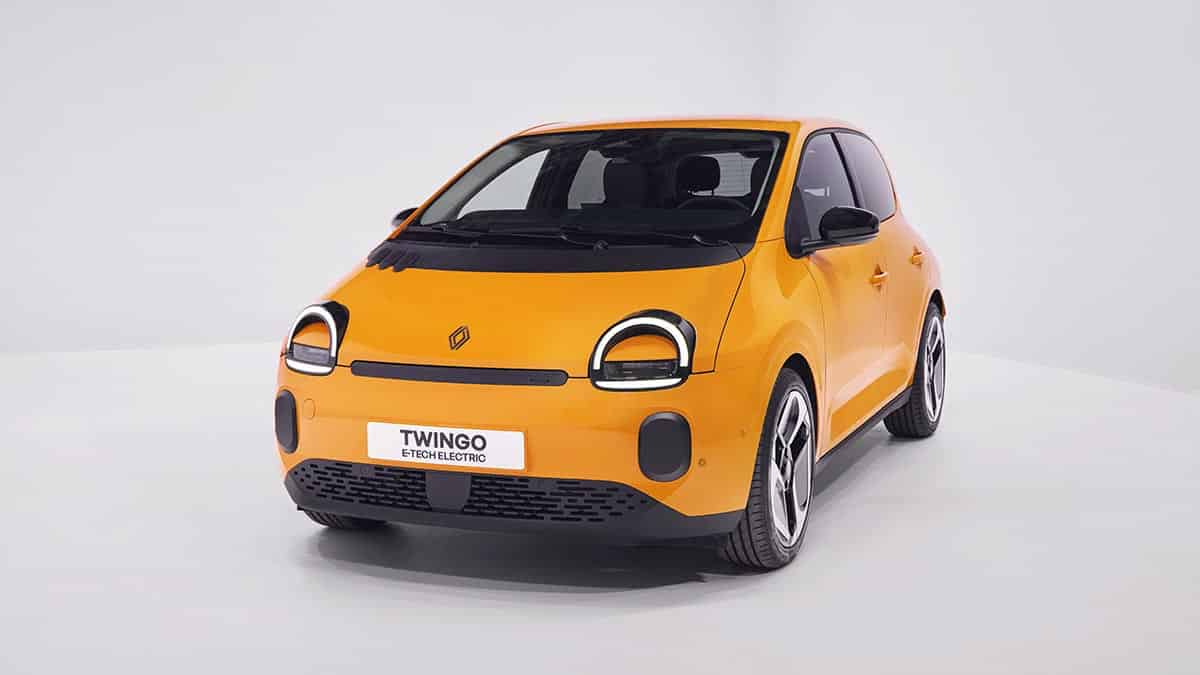
European Auto Industry Redefines Its Priorities
The automotive sector’s reaction didn’t take long. Several major groups are reevaluating their investments in 100% electric, whether delaying dedicated factory openings or revising EV volume forecasts downward. Facing a slowing market, manufacturers seek to diversify their technological options.
In this context, hybrids are gaining ground again. Long viewed as transitional technology, they now appear as a realistic response to hesitant customer expectations. Biofuels and synthetic fuels (e-fuels), while expensive to produce, are also among explored paths, particularly to extend the commercial life of combustion engines.
Among suppliers, the message is clear: imposing a single technology amounts to jeopardizing thousands of jobs and skills built around traditional mechanics. An “open” transition would maintain a more balanced industrial fabric while reducing dependence risks on certain strategic supply chains (batteries, raw materials).
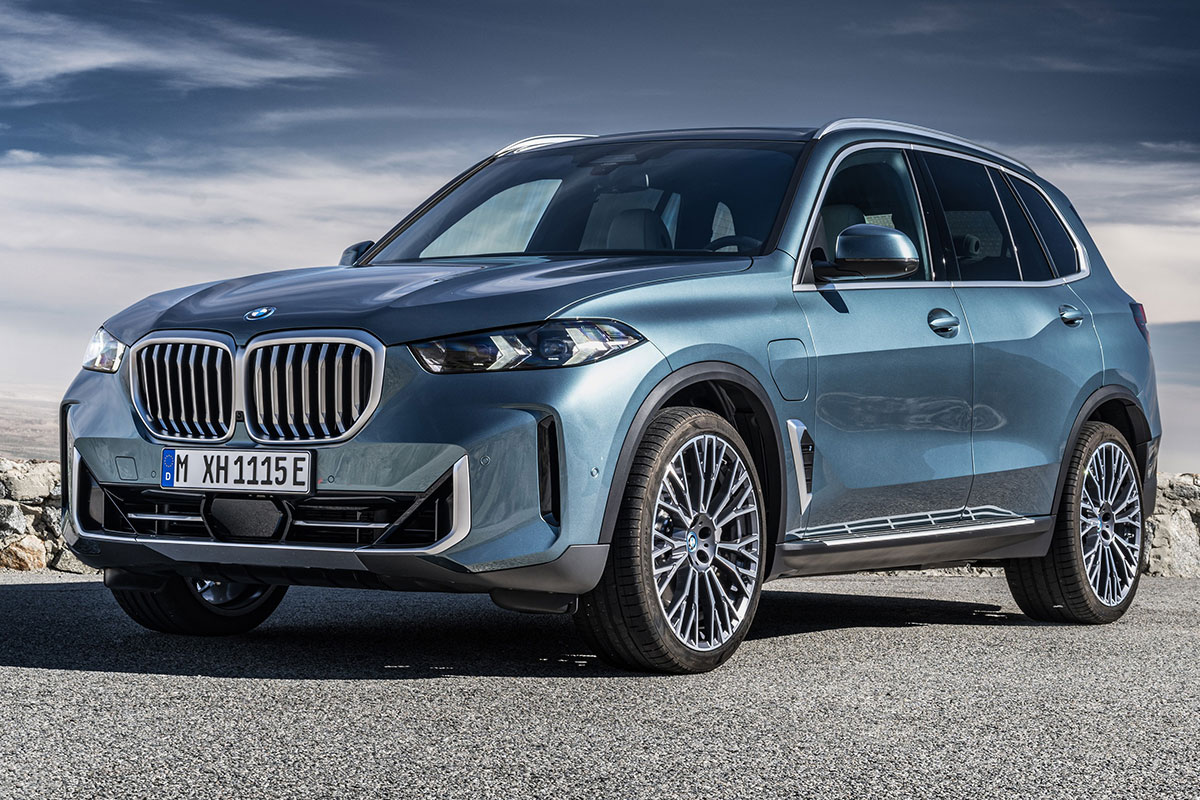
Lobbies, Pressure, and Divisions in Brussels
The debate has intensified within European institutions themselves. Several lobby groups representing manufacturers, rental companies, and fleet managers are calling to avoid overly rigid obligations on 100% electric fleets. Conversely, brands like Volvo, Polestar, or Ford Europe publicly commit to maintaining the 2035 course, emphasizing that any retreat would harm investor visibility and the Union’s climate credibility.
The European Commission finds itself caught between two opposing currents: on one side, the will to meet climate commitments, and on the other, the need to support an economically sustainable transition for industry players. The political risk is real: overly rapid tightening could fuel social protests, already fierce in certain countries.
This political polarization reflects an increasingly visible fracture between Northern states and those in the South or East, less advanced on electric infrastructure and more dependent on low-cost combustion segments.
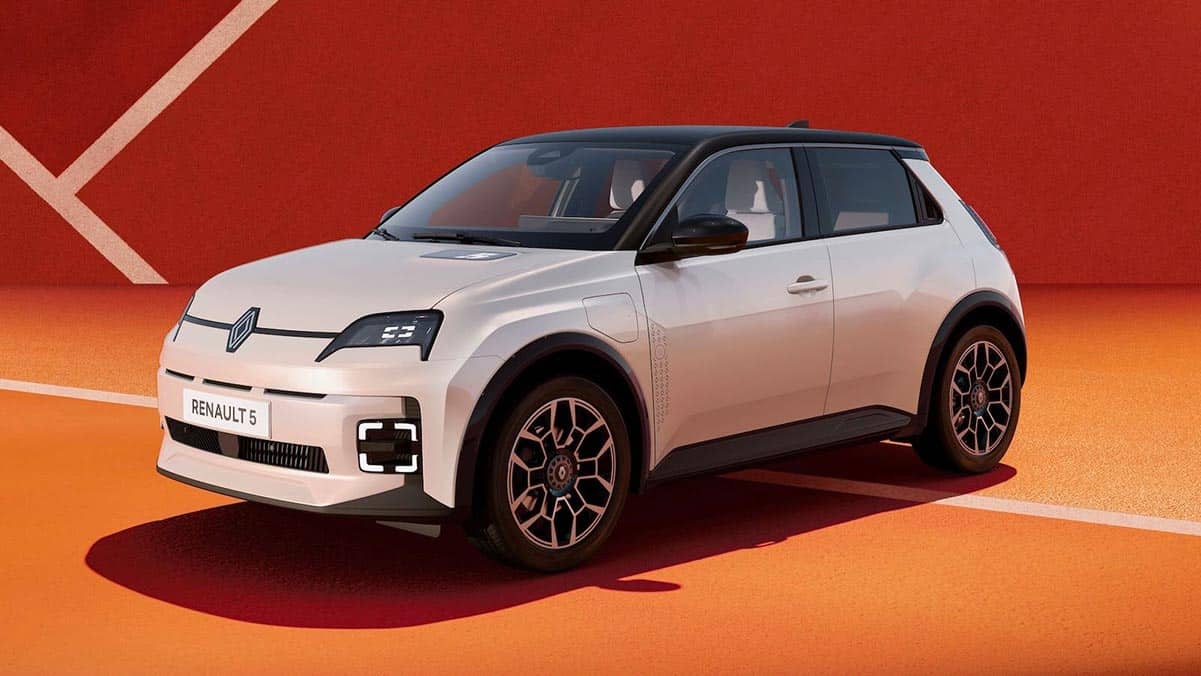
The Market Isn’t Following: Slowdown and Buyer Skepticism
Beyond political discourse, sales figures show a weakening of Europe’s electric vehicle market. After strong growth between 2020 and 2022, momentum is slowing in 2024 and 2025, particularly in Germany and France. The end of government incentives, combined with a lack of entry-level offerings, is hampering progress.
Consumer skepticism remains strong on several key points:
- Purchase prices still too high compared to better-equipped combustion or hybrid offerings
- Perceived insufficient range, especially for highway use
- Uncertainty about battery durability and replacement
- Uneven charging network, especially outside urban areas
Meanwhile, Chinese manufacturers (BYD, MG, Leapmotor) are gaining ground by offering affordable, well-equipped, and competitive electric models. An offensive that reinforces pressure on European brands, forced to balance climate requirements, industrial profitability, and market expectations.
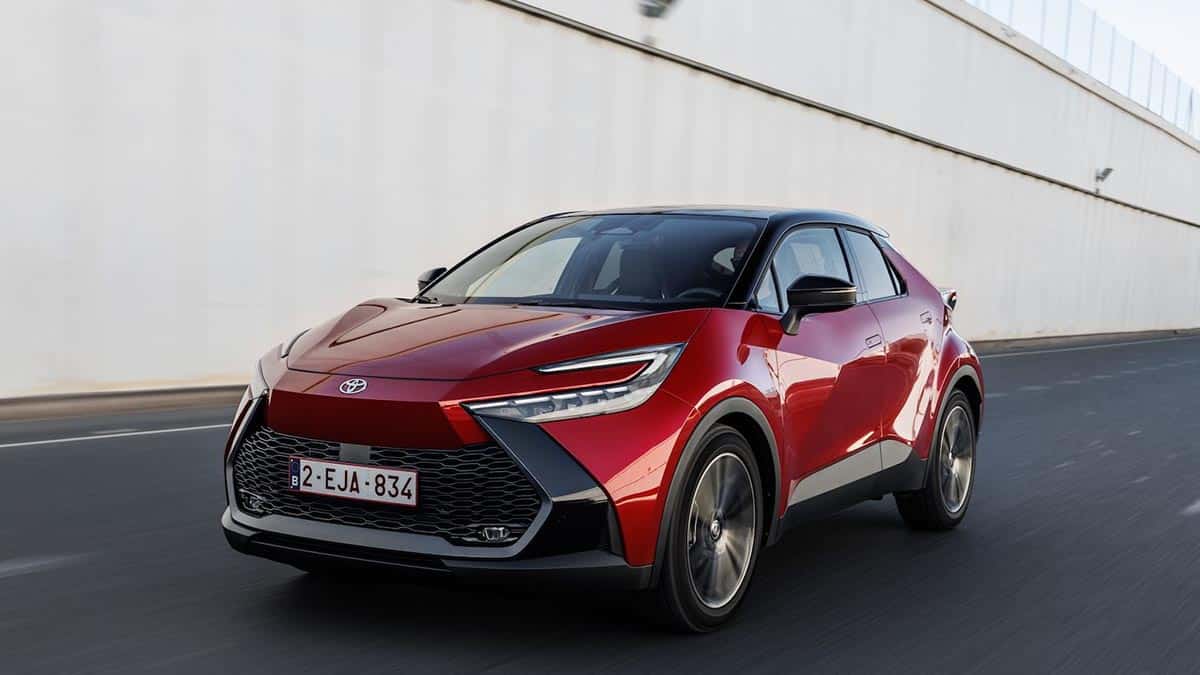
Toward a More ‘Open’ Technological Transition After 2025?
The year 2025 could thus mark a strategic turning point. In Brussels, several scenarios are being studied: maintain the 2035 objective with targeted exemptions, authorize certain types of long-range hybrids, or officially integrate alternative fuels into the regulatory framework.
For industry and buyers alike, this would mean the end of an “all-battery” vision deemed too dogmatic, and the emergence of a diversified technological landscape, more aligned with real usage and industrial capabilities.
In France, where electric vehicle support was a pillar of post-COVID recovery, this shift could lead authorities to reevaluate their incentive policies, while strengthening investments in fast charging, national battery production… but also in alternative technologies. The era of “all-electric or nothing” could thus give way to a multi-energy ecosystem, more pragmatic, but also more complex to regulate.

