
Toyota is preparing a remarkable entry into the electric SUV market with an entirely new model: the C-HR+ Electric. Contrary to what its name might suggest, this isn’t a simple variant of the hybrid C-HR, but rather a brand-new vehicle, larger, more spacious, and 100% electric. With an assertive SUV coupe design, ambitious technical specs, and an estimated starting price of $40,150, it aims to shake up the segment by its spring 2026 launch.
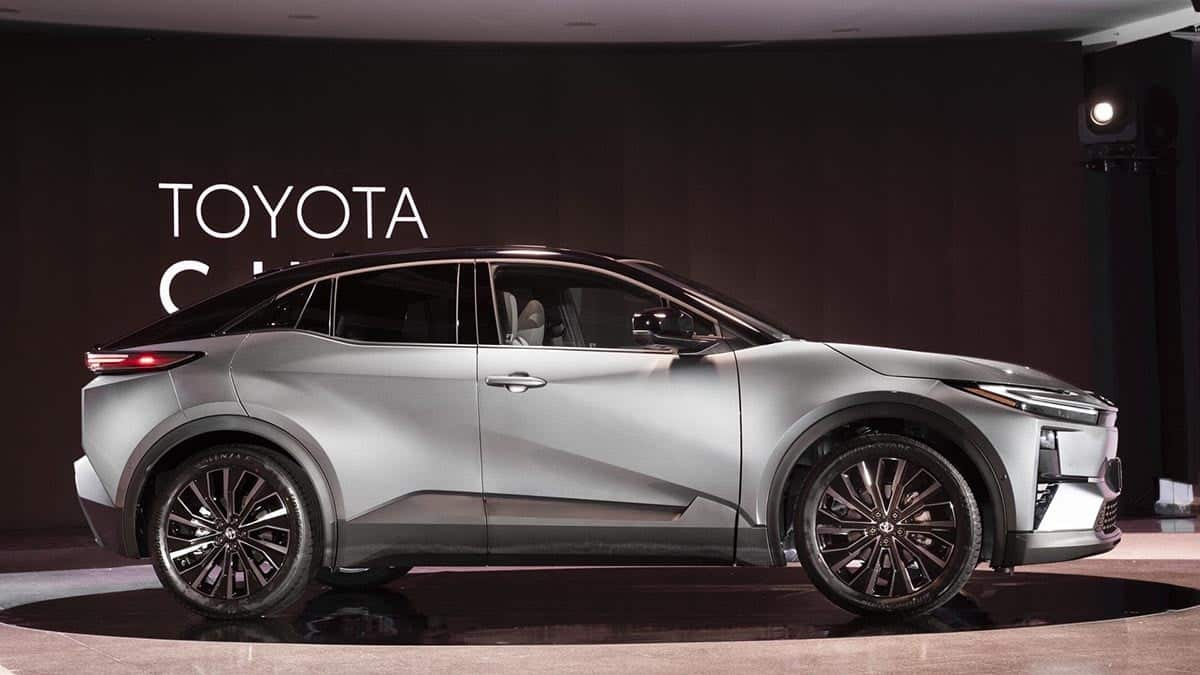
At 177.9 inches long, the C-HR+ now rivals models like the Hyundai Tucson or Kia Sportage, while maintaining a sporty silhouette. It will be offered in two versions: a rear-wheel drive with 224 hp delivering up to 378 miles of EPA range, and an all-wheel drive version with 343 hp, capable of accelerating from 0 to 60 mph in 4.9 seconds. The 77 kWh battery ensures impressive versatility, reinforced by charging power up to 150 kW.
But Toyota is also banking on peace of mind with a 10-year or 620,000-mile battery warranty, provided maintenance is performed at authorized dealerships. A clear strategy: capitalize on the reliability reputation built with hybrid technology to reassure buyers still hesitant about going electric.
Toyota C-HR+ Electric: A Completely New Model
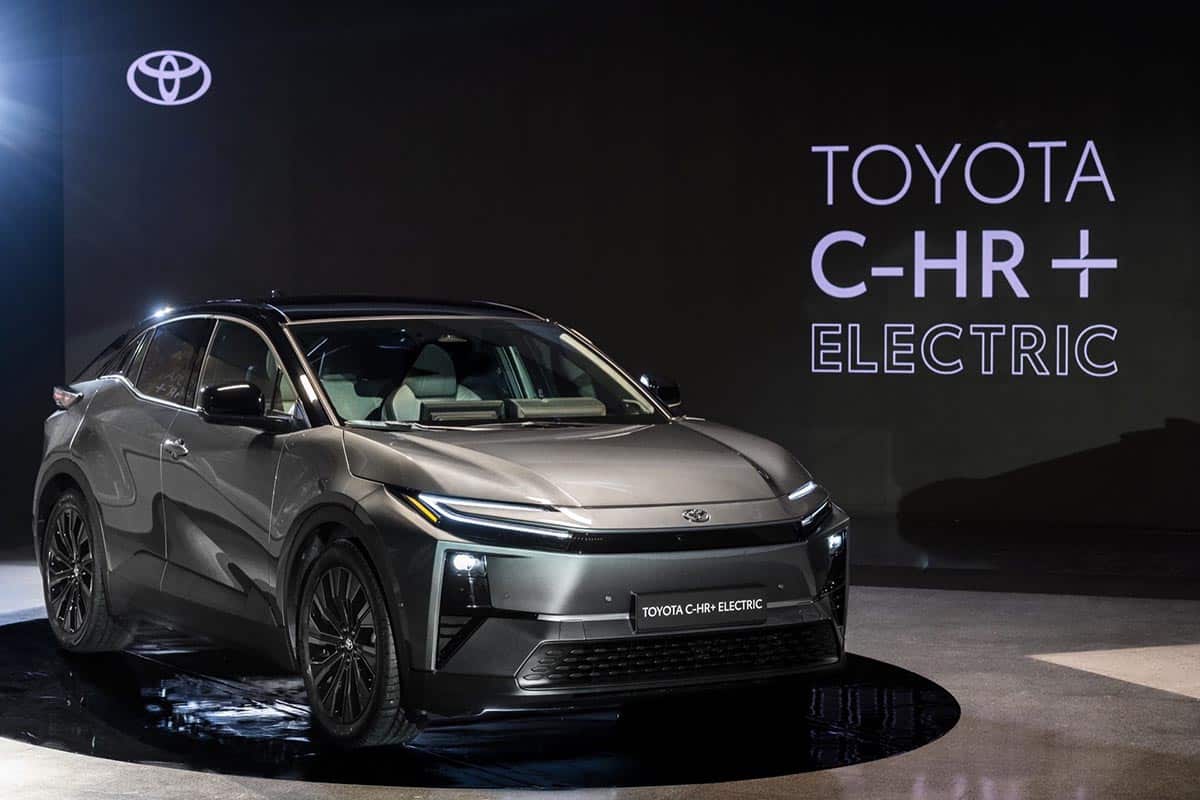
Toyota is deliberately blurring the lines with the C-HR+ Electric, an SUV that shares its name with the hybrid C-HR but little else. Contrary to expectations, this isn’t an electric version of the existing model or a platform derivative. The C-HR+ is a brand-new vehicle, designed from the ground up for electric power and positioned a notch above the current C-HR.
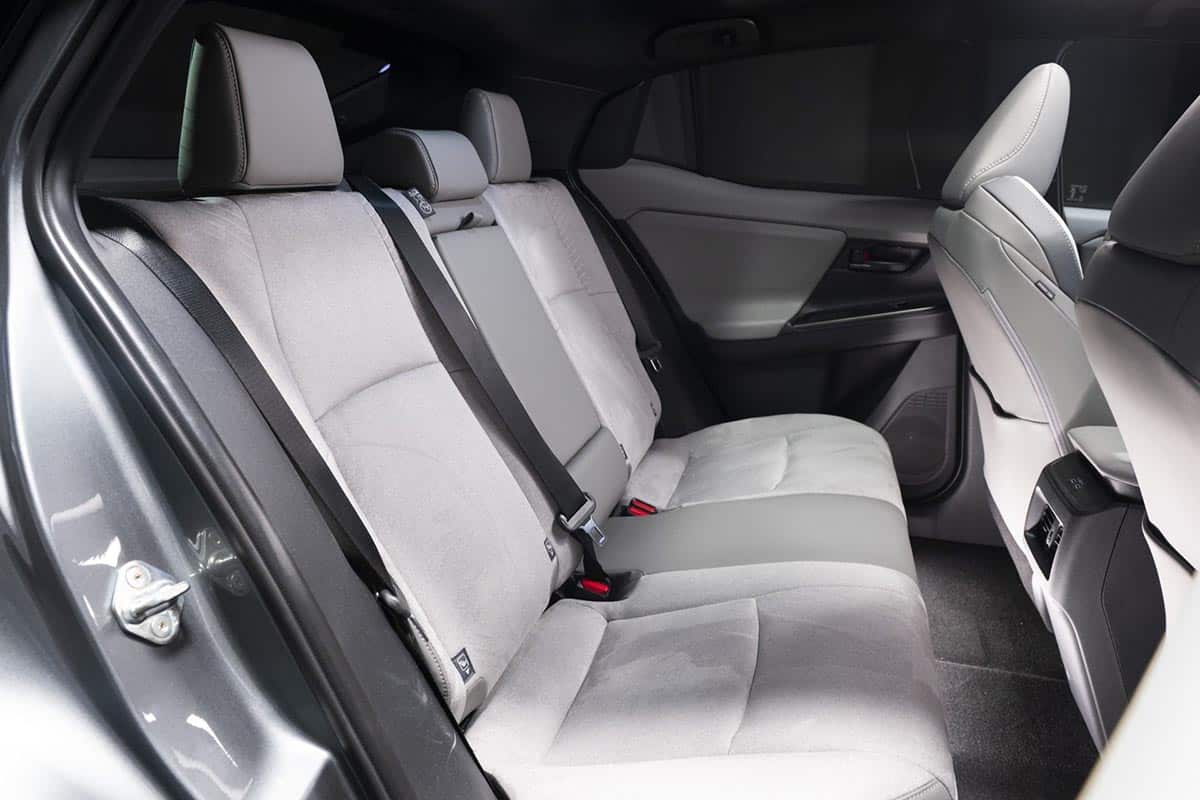
At 177.9 inches long and with a 108.3-inch wheelbase, it significantly exceeds the dimensions of the hybrid C-HR (171.3 inches) and now competes directly with rivals like the Hyundai Tucson, Kia Sportage, or even the Tesla Model Y. Despite this larger footprint, it maintains a coupe SUV profile, staying true to the characteristic C-HR silhouette. Inside, space logically improves, with a 14.7 cubic feet trunk and increased interior room.
Toyota doesn’t position this model as an electrified hybrid alternative, but as a complete answer to electric mobility expectations: range, performance, comfort, and warranty. This should attract a diverse clientele: curious about electric but demanding in terms of reliability and long-distance capability.
A 100% Electric Platform Built for the Road
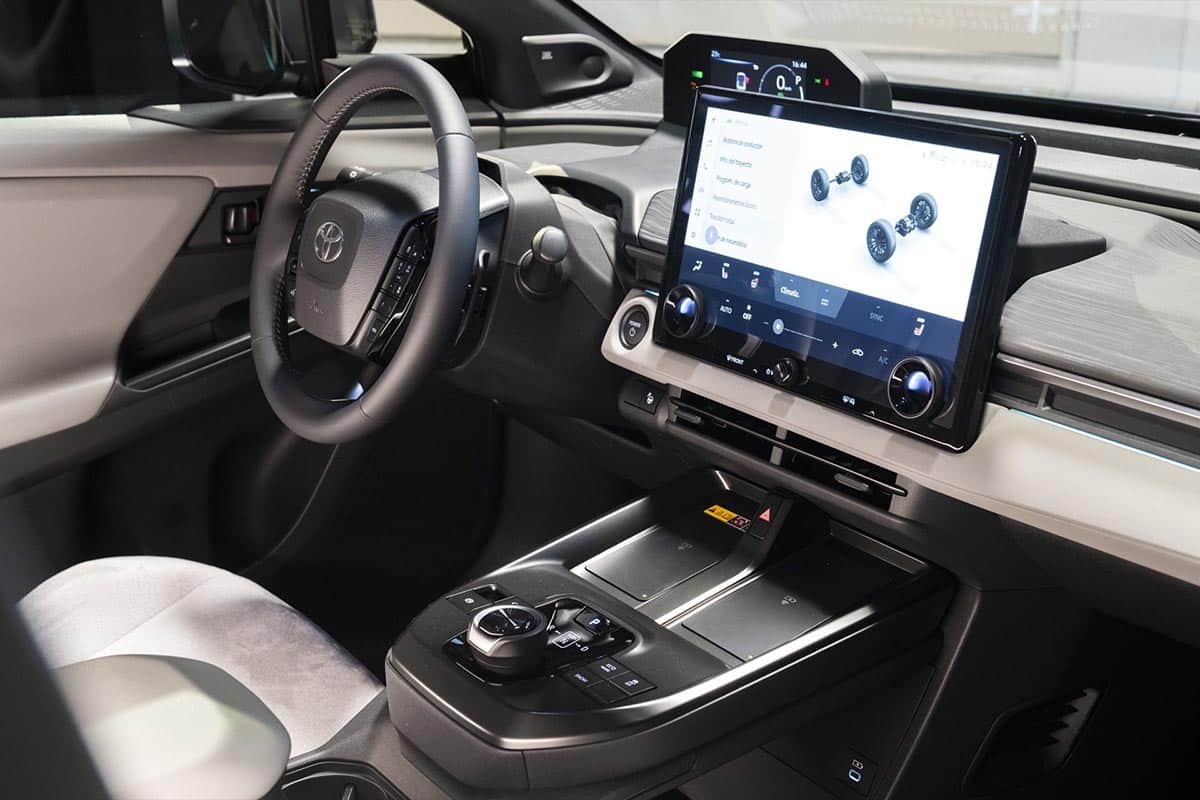
The C-HR+ is built on a dedicated electric vehicle platform, distinct from that of the hybrid C-HR or bZ4X. This choice enables better technical integration, with a lowered center of gravity, optimized weight distribution, and an extended wheelbase favorable to high-speed stability and interior comfort.
Two technical versions will be offered at launch:
- A rear-wheel drive version with 224 hp, equipped with a 77 kWh battery, capable of traveling up to 378 miles according to EPA estimates.
- An all-wheel drive version with 343 hp, showing 0-60 mph in 4.9 seconds, targeting drivers seeking more dynamic performance.
For charging, Toyota has planned a system worthy of the segment:
- 11 kW AC charging on the RWD version,
- 22 kW AC for the AWD version,
- and up to 150 kW DC fast charging, enabling 10 to 80% charging in 28 minutes under optimal conditions.
An Unprecedented Warranty to Win Over Electric Skeptics
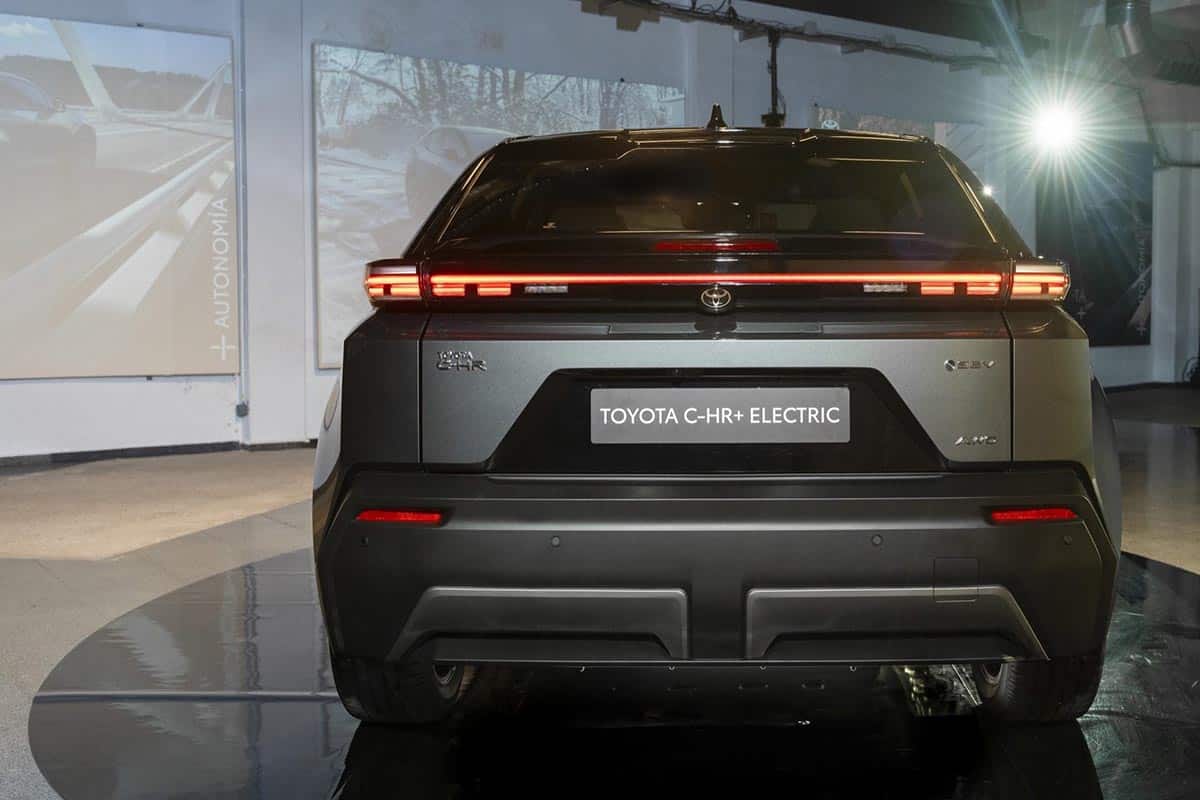
The real strength of the C-HR+ Electric could well lie in what Toyota does best: provide reassurance. The manufacturer is applying a strategy already proven in the hybrid world: offer long-term coverage, even for technology still new in many customers’ eyes.
Toyota announces a 10-year or 620,000-mile battery warranty, provided regular maintenance is performed at its dealer network, under the Battery Care program. This warranty covers not only functional failures but also capacity loss exceeding 30%, which remains rare in today’s market.
This positioning could appeal to drivers still wary of electric vehicles, particularly those who drive many miles and fear long-term battery degradation. A promise of peace of mind that aligns with the brand’s quality commitments.
Pricing, Launch, and Direct Competitors
The Toyota C-HR+ Electric is expected in the US for spring 2026, with order books already opening in several markets. The estimated starting price would be $40,150, before options and potential federal tax credits.
At this price point, the C-HR+ faces increasingly dense competition:
- The Kia EV3, though smaller, starts around $38,500 (with incentives),
- The BYD Atto 3 begins at $26,390,
- And the Tesla Model Y, more spacious, is offered from $47,740.
But Toyota is counting on a particularly balanced performance / reliability / range ratio. The C-HR+ offers real-world range exceeding 370 miles, an unprecedented warranty, efficient fast charging, and serious technical positioning without compromise.
For those who find current electric vehicles too small, too limited, or insufficiently reassuring long-term, this new model could well become the mainstream electric SUV to watch in 2026.

