
The European automotive landscape, largely dominated by historic brands and Asian giants, is gradually seeing a new player from China establish itself: Haval, a subsidiary of Great Wall Motors. Already solidly established in Asia and the Middle East, the brand is making its moves with the H6 HEV, a compact hybrid SUV promising solid performance, advanced technology and attractive pricing. A combination that could well open the doors to the old continent.
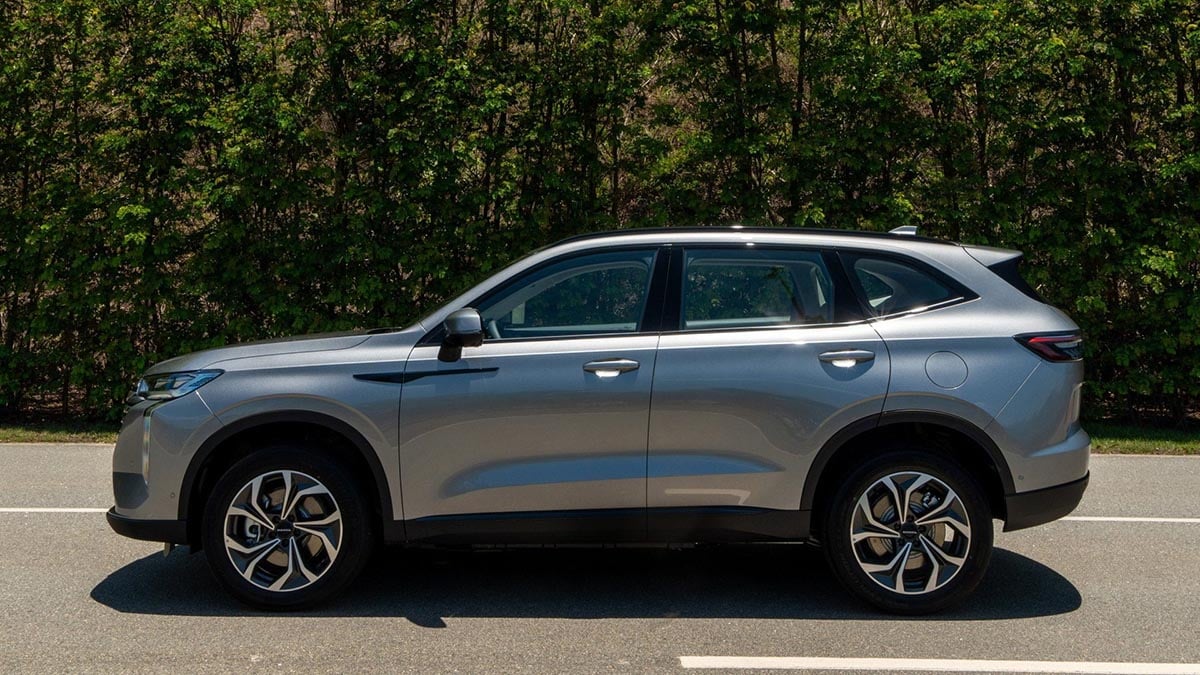
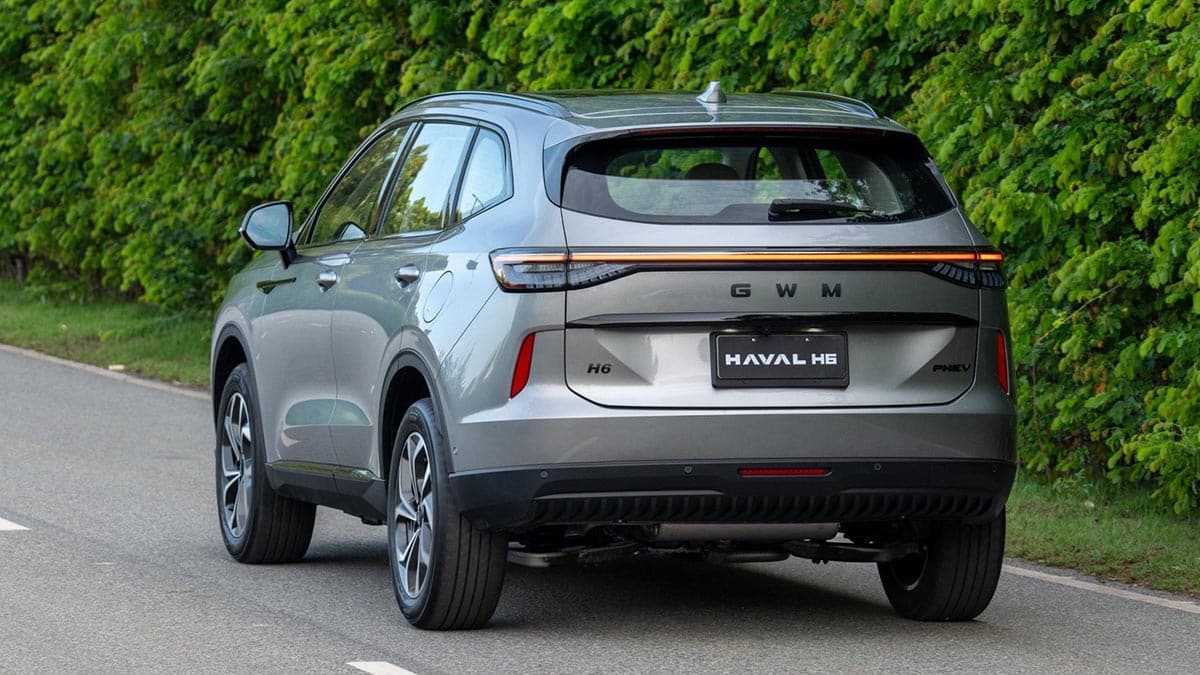
In its HEV version, the Haval H6 combines a 1.5 turbo gasoline engine with an electric motor, for a combined power of 243 hp and 391 lb-ft of torque. Unlike plug-in hybrids, this is a self-charging system, similar to what Toyota or Honda offer. With assertive design, a technological cabin and ambitious specifications, the H6 HEV clearly displays its intentions: to establish itself in the family hybrid SUV segment that’s already well-stocked.
But behind these ambitions, a question arises: will Haval really cross into the American market? Between homologation, adaptation to local standards and brand recognition that’s still very limited, the path is fraught with obstacles. However, early international tests and the model’s characteristics suggest a credible competitor against established references. Analysis of a hybrid SUV that could make headlines faster than we think.
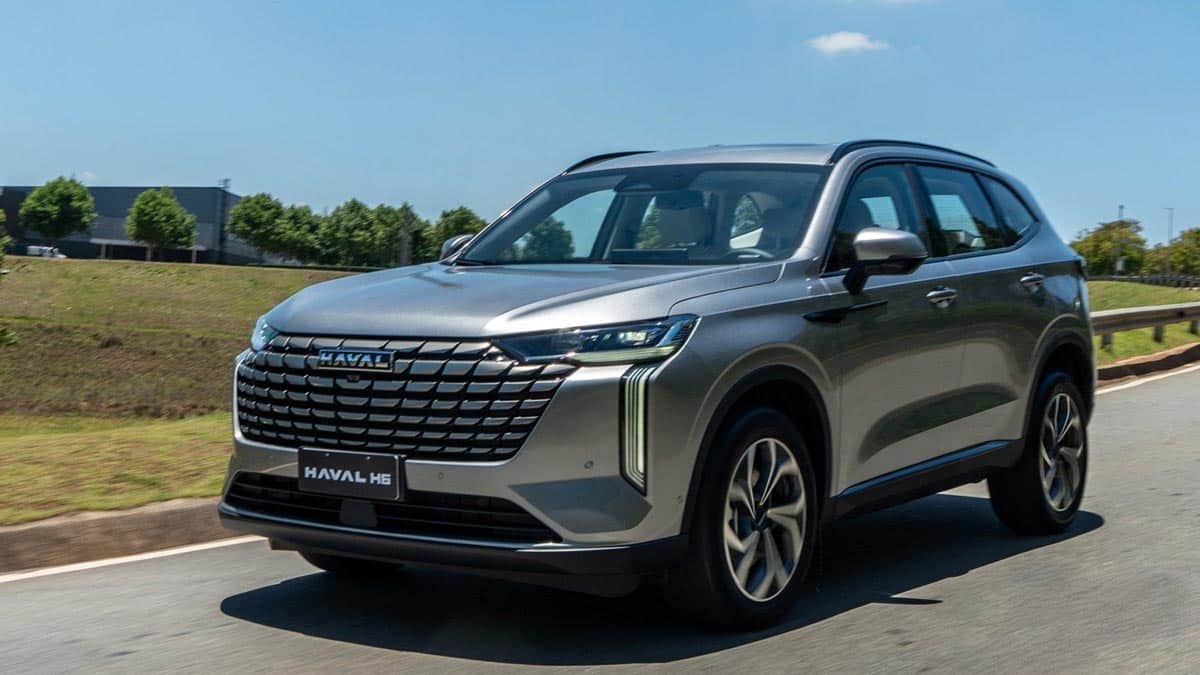
Haval H6 HEV: A Chinese SUV with International Ambitions
Little known to the American public, Haval is nevertheless one of the most popular brands in China in the SUV segment. It belongs to the Great Wall Motors (GWM) group, an independent manufacturer in full global expansion phase. Its flagship model, the Haval H6, has already sold several million units in Asia, Australia, the Middle East and Latin America.
The HEV (self-charging hybrid) version complements this lineup with a more refined approach that meets the expectations of markets concerned about emissions. Unlike some Chinese brands that focus solely on pure electric, Haval offers here an electrified alternative without charging, designed for broader adoption without infrastructure constraints.
The H6 HEV positions itself in the highly competitive category of compact family SUVs, against heavyweights like the Toyota RAV4 Hybrid, Honda CR-V Hybrid or the Hyundai Tucson Hybrid. And while it remains absent from the American market for now, its commercial offensive in Eastern Europe, Germany and Spain shows that the brand is preparing its rise to power.
Muscular Specifications for a Self-Charging Hybrid
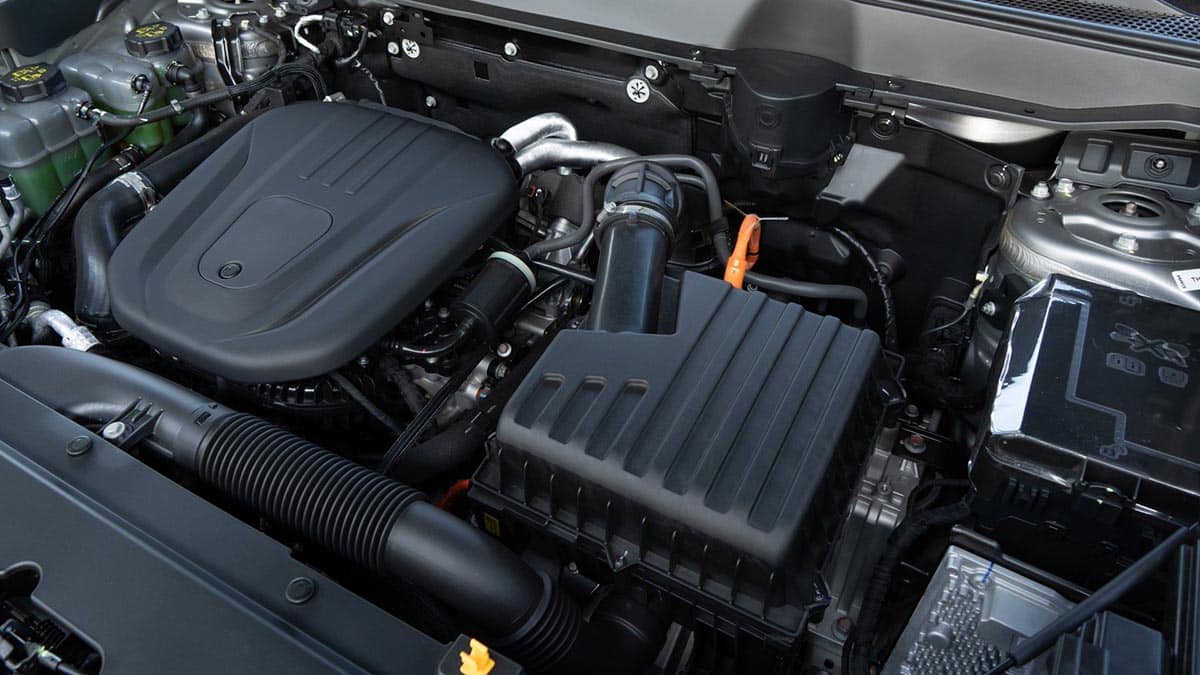
At the heart of the Haval H6 HEV, we find a parallel hybrid architecture combining a 1.5 turbo gasoline engine with an electric motor, all coupled to a dedicated DHT hybrid transmission. Result: a combined power of 243 hp and an impressive torque of 391 lb-ft, significantly more than the average for self-charging hybrids on the market.
The system operates without external charging. Electric energy is recovered during deceleration and braking phases, then redistributed during acceleration. This operation similar to Toyota’s helps reduce average consumption (announced at approximately 40 mpg) without changing driving habits.
Intelligent transmission management allows driving in 100% electric mode over short distances, then alternating with gasoline as needed. The behavior is calibrated to maximize efficiency in urban environments, while maintaining sufficient power reserve for highway and freeway use.
Comfort, Technology and Driver Assistance Features Delivered
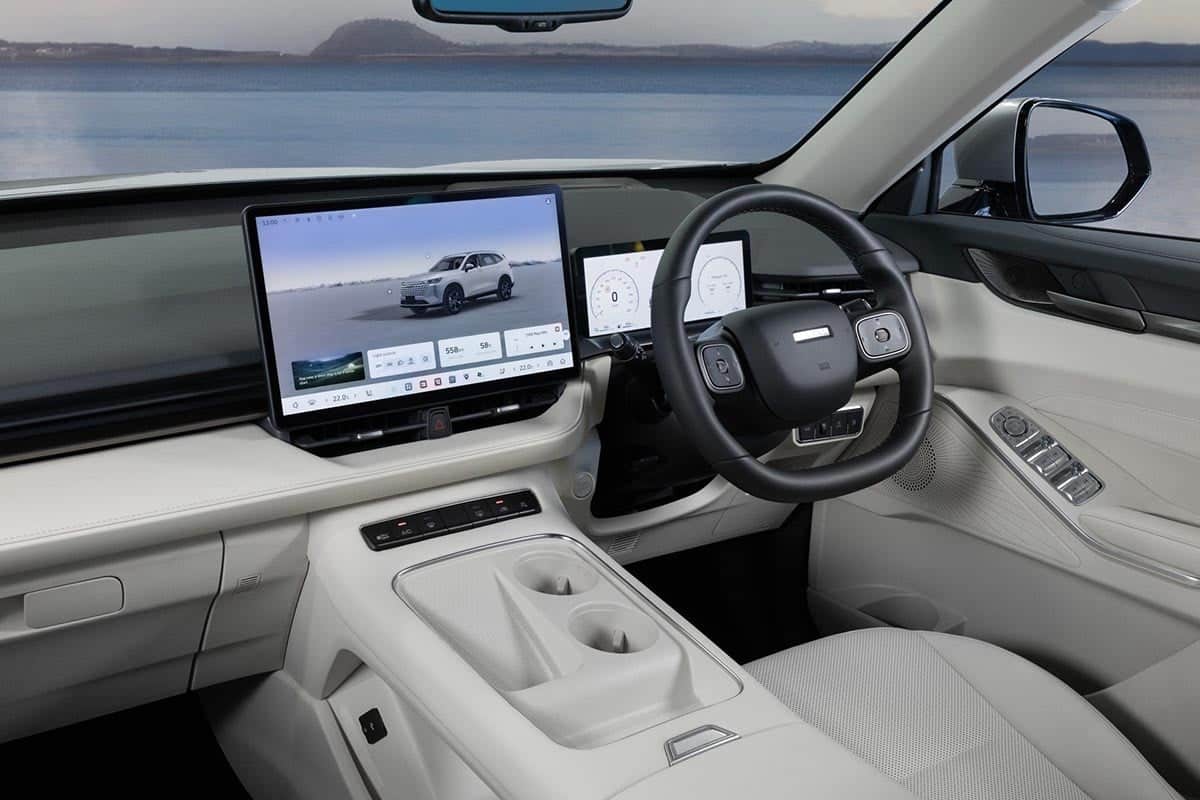
Inside, the Haval H6 HEV focuses on a modern presentation, with a dashboard dominated by a central touchscreen, digital instrumentation and well-thought-out ergonomics. Finish varies by market, but high-end versions offer equipment worthy of higher segments: panoramic roof, ventilated and heated front seats, head-up display, and even 360° camera.
Connectivity is comprehensive, with wireless Apple CarPlay and Android Auto, wireless charging and connected services. The infotainment system is responsive and offers a refined interface, while the driving experience is enhanced by multiple modes (Eco, Normal, Sport, Snow).
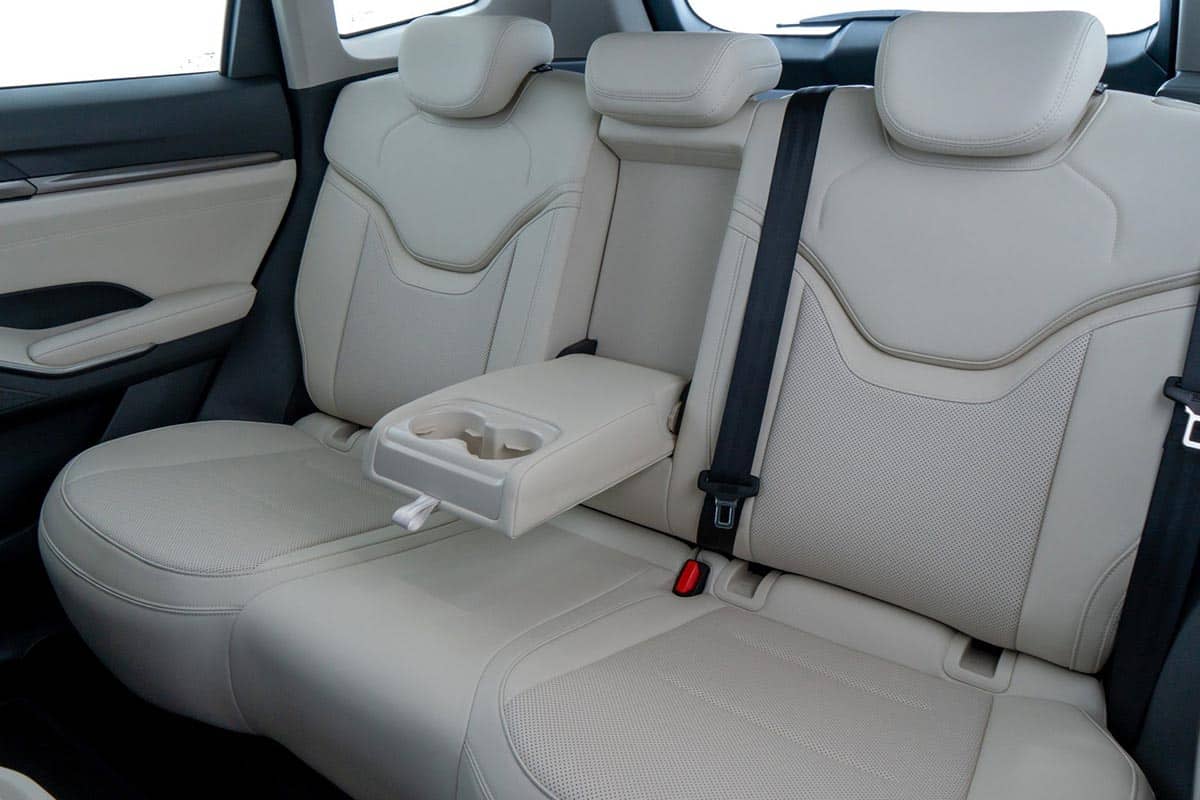
Habitability is one of the H6 HEV’s strong points. It offers a generous trunk (approximately 20 cubic feet), very comfortable rear space and numerous storage compartments. The rear seat is 60/40 split-folding, with a flat cargo floor. In terms of safety, the SUV offers a wide range of driver assistance features: adaptive cruise control, autonomous emergency braking, lane keeping assist, blind spot detection, etc.
The H6 HEV Against European Market Hybrid SUVs
In terms of size, power and equipment, the Haval H6 HEV positions itself at the level of the Toyota RAV4 Hybrid (219 hp), Honda CR-V Hybrid (204 hp) or the Hyundai Tucson Hybrid (226 hp). Where it stands out is through its high torque output (391 lb-ft), usually reserved for much more expensive SUVs.
Its price/equipment ratio, while not yet official for the US, is considered competitive in markets where it’s already sold: in Saudi Arabia or Australia, it’s priced between $33,000 and $38,500 equivalent, depending on versions. If it arrived in America with similar pricing, it could disrupt established mainstream brands.
One question remains: that of reliability reputation and after-sales service, essential for breaking through in the US. Without a solid network or established brand image, Haval will need to convince over time, both on the actual quality of its products and on its ability to support customers.
Possible US Arrival: Opportunity or Mirage?
To date, the Haval H6 HEV is not sold in the United States. But Great Wall Motors has begun an expansion strategy in global markets, with confirmed presence in Germany, Spain and Hungary. US homologation is under consideration for several models, including gasoline, hybrid and electric SUVs.
To target America, Haval will need to meet EPA and CARB standards, ensure safety compliance, and above all establish a reliable distribution network. A complex task, but not impossible: MG Motor, another Chinese brand, succeeded in this challenge in other markets in less than five years.
The H6 HEV checks several key boxes: power, efficient hybridization, modern presentation, and generous volume. If Haval manages to position itself correctly in price and reassure on after-sales service, the model could appeal to American customers looking for an alternative to traditional SUVs, in a context of progressive but still incomplete electrification.

