
In an era where most urban SUVs are giving in to the temptation of going 100% electric, the Lexus UX chooses to resist the trend and bet on continuity. For 2026, the entry-level model in the Japanese manufacturer’s premium lineup returns in an exclusively hybrid version, streamlined around a single 199-hp powertrain. An assumed strategic choice that confirms Lexus’s intention to extend the era of non-plug-in hybrid, while others are already betting everything on electric.
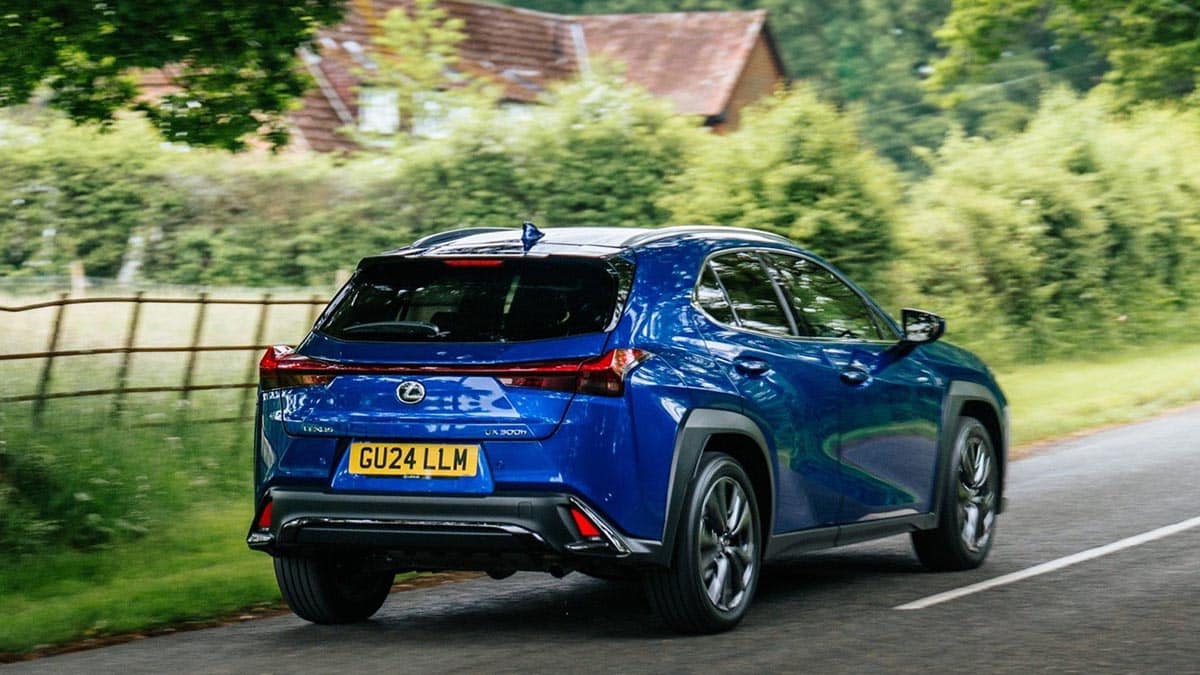
At first glance, nothing seems to have revolutionized the Lexus UX’s design. And for good reason: the 2026 facelift remains subtle, almost imperceptible, focusing more on reorganizing trim levels and progressively upgrading equipment. Taut lines, prominent grille, angular lighting signature: the UX remains faithful to Lexus aesthetics, without revolution, but with intact elegance. Inside, trim adjustments and new digital interfaces bring more coherence and modernity.
Price-wise, the 2026 UX starts at $44,300 in its Urban version, already well-equipped, and peaks at over $61,600 in its Omotenashi trim. A typical pricing scale for a premium compact SUV, targeting customers who prioritize comfort, efficiency and build quality. Less flashy than its German rivals, but also less aggressive tax-wise (no gas guzzler tax, contained emissions), the Lexus UX plays the maturity card, with the quiet confidence of a proven and still efficient model.
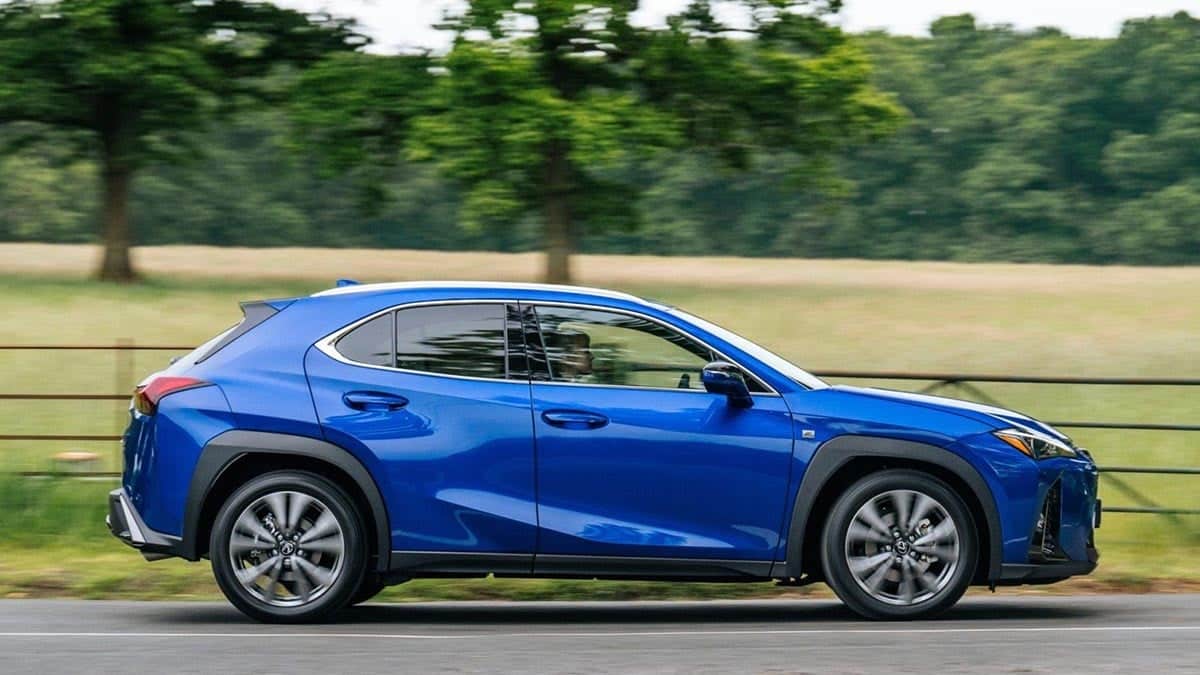
Lexus UX 2026: new hybrid version, revised trims and US pricing confirmed
While many competitors are multiplying electric, plug-in or mild-hybrid variants, Lexus refocuses its offering on the essentials. The 2026 UX is offered with a single powertrain, namely a self-charging hybrid system combining a 2.0-liter gasoline engine with an electric motor, delivering a combined output of 199 hp. A choice consistent with the brand’s DNA, which has mastered this technology for over 15 years.
This configuration allows the UX to display decent performance for a compact SUV: 0-60 mph is achieved in 8.1 seconds, with a top speed limited to 112 mph. The continuously variable transmission (CVT) offers smooth driving, designed for urban and suburban use, without aiming for sportiness. Fuel economy-wise, the manufacturer announces around 47 mpg in combined EPA cycle, with CO₂ emissions of 114 g/km, helping avoid gas guzzler penalties.
The drivetrain remains strictly front-wheel drive, with Lexus having removed the AWD version from the lineup for this model year. This streamlining makes the offering more readable but limits appeal for drivers requiring all-wheel drive.
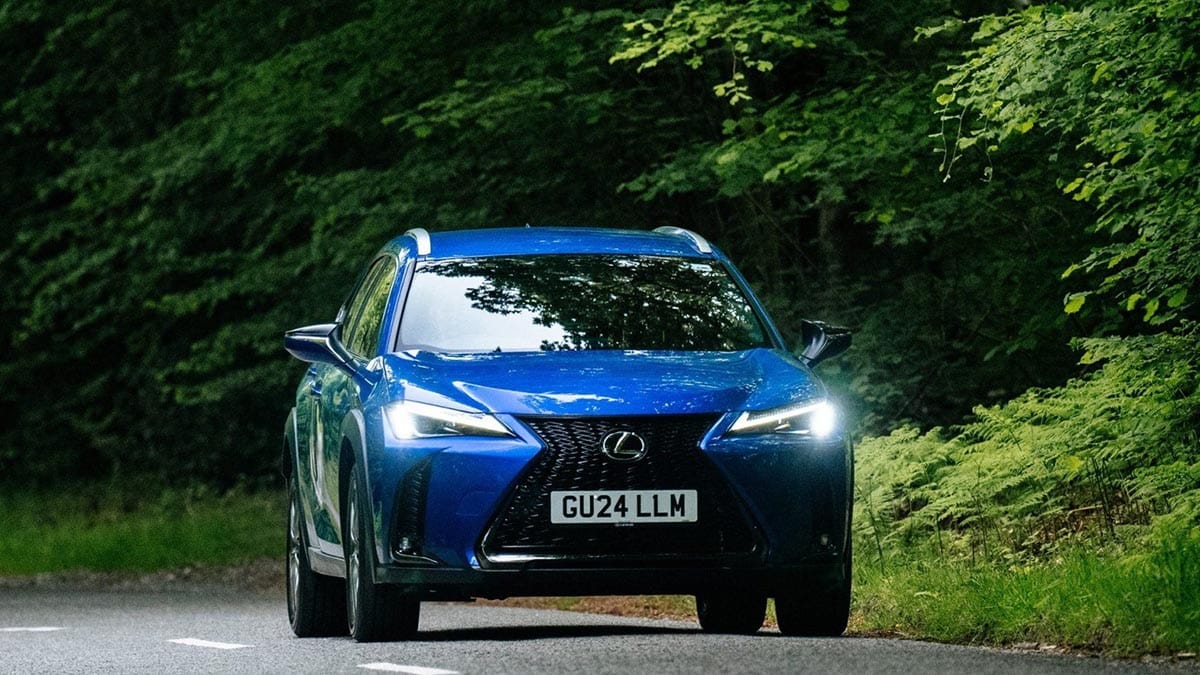
Refined styling but faithful to Lexus DNA
Aesthetically, the 2026 Lexus UX retains most of its characteristic lines. The famous spindle grille, streamlined headlights and sculpted surfaces are still present. This discreet facelift doesn’t seek to revolutionize the design, but rather to refine the details: new body colors, redesigned wheels, redefined chrome elements. The whole remains elegant, subtly dynamic and still immediately identifiable as a Lexus product.
Inside, the update is more noticeable. The presentation gains in perceived quality thanks to new trim, metallic or textured inserts depending on versions, and especially a modernized multimedia interface. The central touchscreen, now better integrated, offers revised ergonomics and better responsiveness. Connectivity with Apple CarPlay and Android Auto is standard, as are over-the-air system updates.
Livability remains consistent with segment standards, with decent rear seat space for two adults and a cargo area of 11.3 to 14.1 cubic feet depending on configuration. It’s not the most spacious in its class, but the overall finish and comfort remain strong arguments.
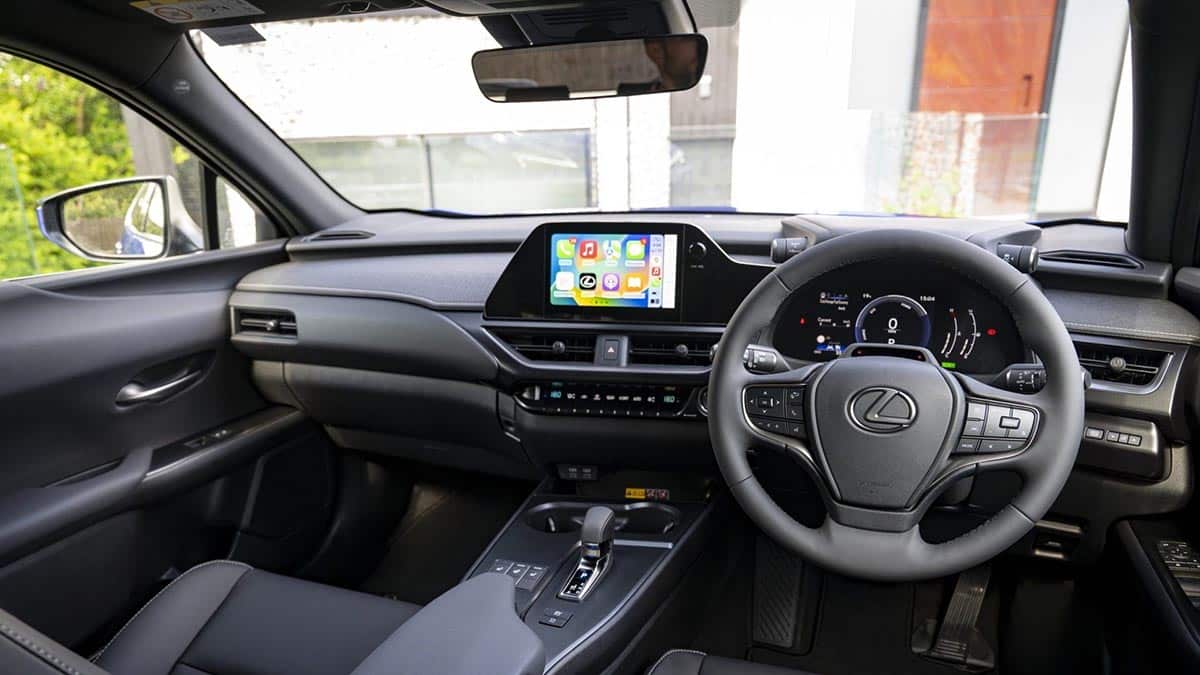
Four trim levels to suit every profile
Lexus restructures its US offering into four clearly differentiated trim levels:
- Urban: the entry level already includes essentials, with cloth upholstery, 17-inch wheels, backup camera, touchscreen and standard driver assistance features.
- F Sport Legend: adds sportier presentation (specific bumpers, sport seats, 18-inch wheels) and enhanced equipment.
- F Sport+: integrates adaptive suspension, premium audio system, and various comfort refinements (heated steering wheel, power liftgate).
- Omotenashi: top-tier version with leather upholstery, ventilated seats, head-up display, premium navigation, and wood or aluminum inserts depending on configuration.
Lexus Safety System+ 3.0 safety systems are standard across all trims: adaptive cruise control, traffic sign recognition, lane keeping assist, emergency braking. Only the most luxurious elements remain reserved for higher versions.
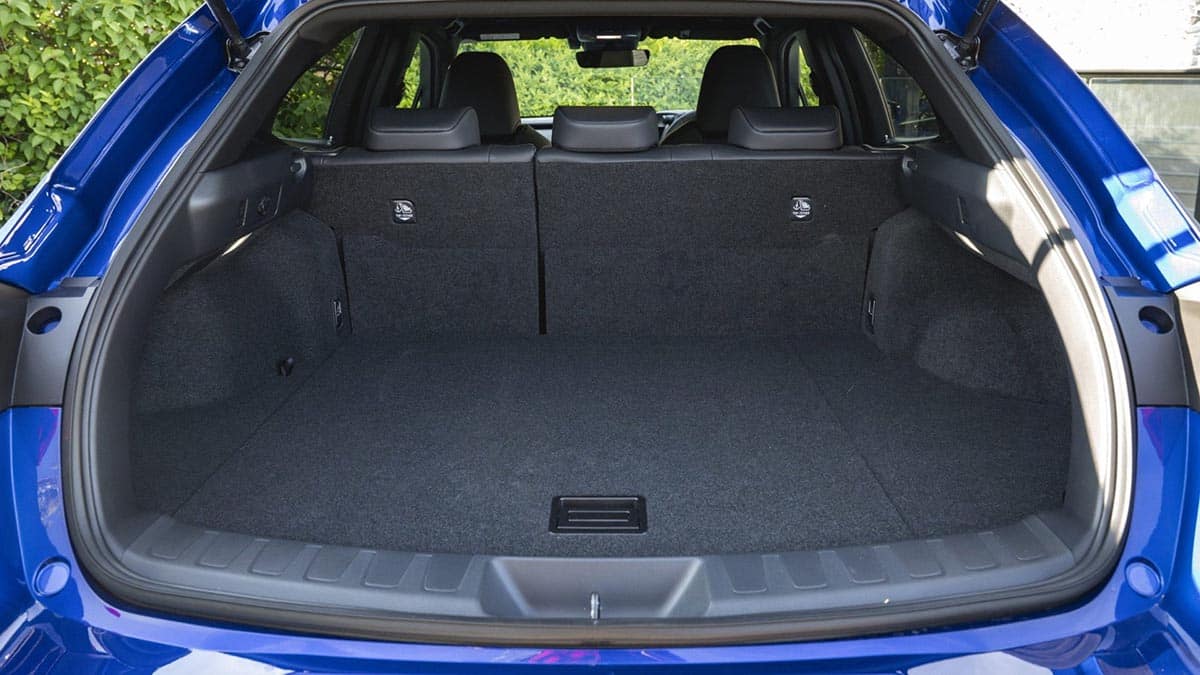
2026 Lexus UX pricing: from $44,300 to over $61,600
The 2026 UX remains competitive for a premium hybrid SUV. Here are the indicative MSRP prices in the US for late 2025:
| Version | US Price |
|---|---|
| UX 250h Urban | $44,300 |
| UX 250h F Sport Legend | $47,600 |
| UX 250h F Sport+ | $56,100 |
| UX 250h Omotenashi | $61,600 |
No federal tax credits or gas guzzler tax applies to this vehicle, which represents a significant advantage over heavier plug-in hybrids, often penalized fiscally. Note that Lexus regularly offers financing deals with rebates on entry-level versions, which can bring the entry price below $42,000 in certain configurations.
A Lexus strategy faithful to its hybrid philosophy
In a context of sometimes overly radical energy transition, Lexus chooses mastered continuity. With the 2026 UX, the Japanese brand offers a compact SUV that is simultaneously sober, refined and technically proven, targeting customers who prioritize comfort, reliability and ease of use over total electric revolution.
Facing rivals such as the Audi Q3 40 TFSI, Mercedes GLA 250 or the BMW X1 sDrive28i, the Lexus UX positions itself as a more zen alternative, without technological overload or excessive complexity. Certainly, it lacks a 100% electric version or all-wheel drive, but its driving qualities, efficiency and finish make it a coherent proposition in today’s premium landscape.

