
The Clio RS badge has long embodied accessible French sporting spirit. Sharp chassis, feisty engine, low driving position: this little diamond-badged pocket rocket has thrilled generations of enthusiasts since the 90s. But in 2020, the last Clio RS quietly left the scene, sacrificed on the altar of emission standards and declining demand for gas-powered hot hatches.
Today, Renault seems to be considering a comeback for its most muscular Clio, but in a very different form. Gone are the days of naturally aspirated 2.0L or turbocharged 1.6L engines, making way for hybrid powertrains based on E-Tech technology already present in the lineup. A way to combine performance and responsibility without suffering the heavy ecological penalties imposed by regulations.
Should we see this as a renaissance or just another compromise? In a market where affordable gas-powered sports cars are disappearing one after another, a hybrid Clio RS would be a credible alternative… provided it respects the model’s DNA. Between industrial strategy, regulatory constraints, and emotional heritage, Renault may be about to play an unexpected but strategic card.
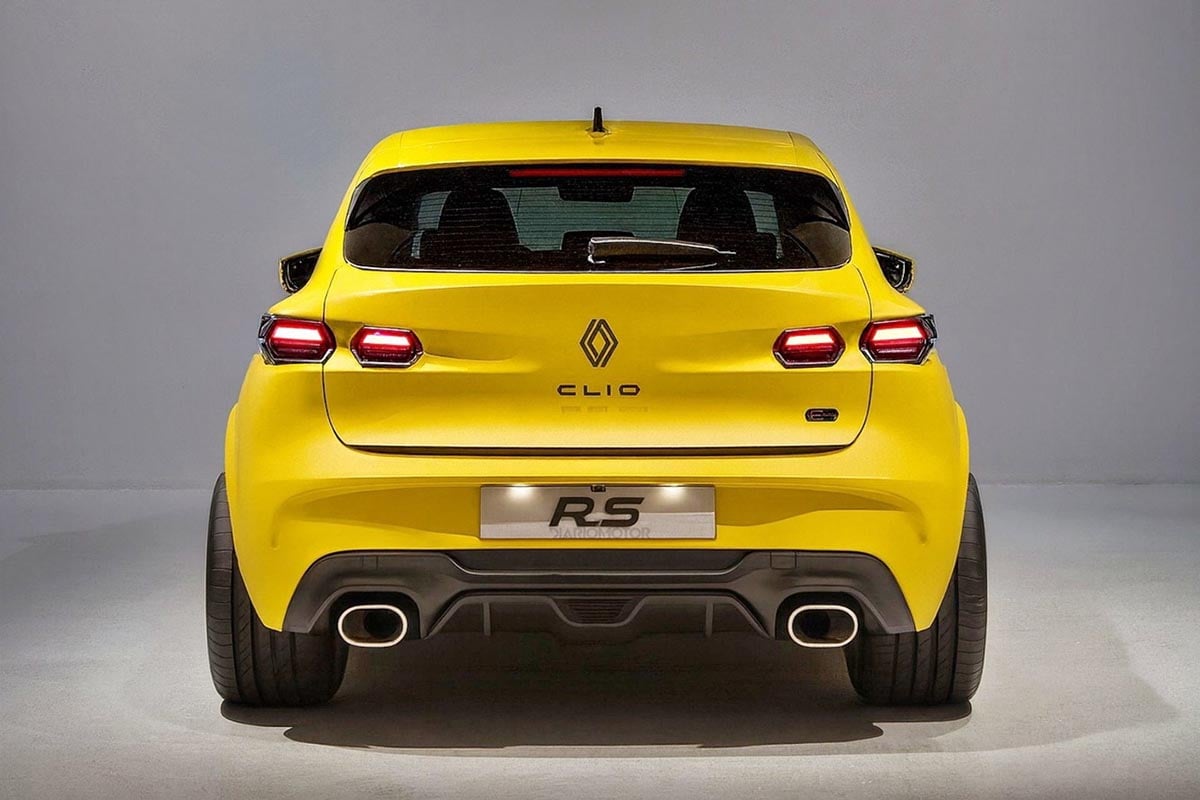
The Clio RS: Sporting Icon Dormant Since 2020
For over two decades, the Clio RS represented a benchmark among European hot hatches. From the first generation introduced in 1998 to the 220 hp RS Trophy, it won over a broad audience thanks to a sharp chassis, characterful engines, and engaging driving dynamics, all in an accessible package. It particularly distinguished itself on track and road alike, maintaining an enviable position against the 208 GTi, Fiesta ST, and other Polo GTIs.
The final iteration, launched in 2013 then facelifted in 2016, had swapped its naturally aspirated engine for a 200 to 220 hp turbocharged 1.6L and adopted a dual-clutch EDC transmission. While it remained quick, some enthusiasts criticized it for a loss of raw sensations. In 2020, Renault quietly discontinued it amid tightening CO₂ standards, declining sales, and the gradual disappearance of Renault Sport-badged models.
Since then, the brand has refocused on its E-Tech hybrid lineup and begun repositioning Alpine as the electric performance division. But despite the RS label’s disappearance, public attachment to the sporting Clio remains intact. And behind the scenes, Renault apparently never completely ruled out a return… provided they could find the right balance.
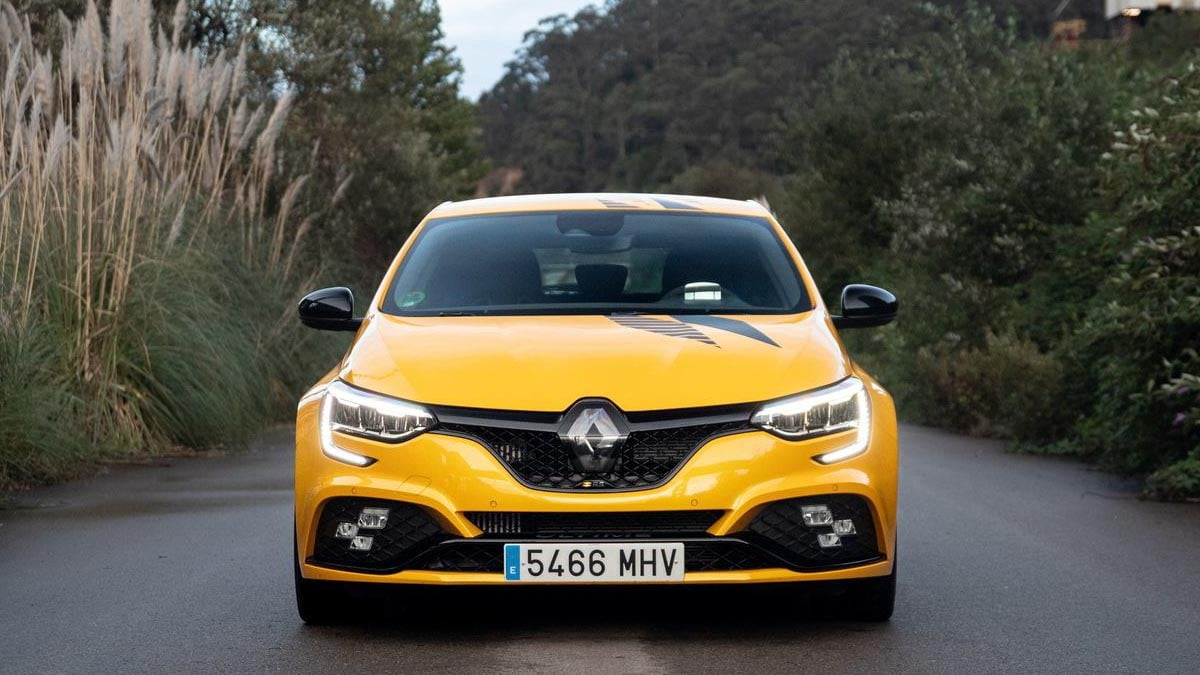
A Conditional Return: Toward a Hybrid Clio RS?
Recent developments around the new facelifted Clio, unveiled in 2023, hint at a possible return of the RS badge, this time in hybrid form. The hatchback now sits on a technical base compatible with E-Tech powertrain, already used across several group models. In its current version, this powertrain develops 145 hp through the combination of a 1.6L naturally aspirated four-cylinder, two electric motors, and an intelligent clutchless automatic transmission.
According to several signals, Renault would be considering a more powerful variant of this technology, around 160 to 180 hp, with specific tuning for chassis, steering, and braking. The goal would be to offer a car that’s both sporty and efficient, capable of attracting driving enthusiasts without incurring prohibitive emissions penalties.
The hybrid format would also allow it to maintain favorable emissions ratings, an important argument for urban and suburban buyers. Most importantly, it fits into a logic of controlled energy transition, aligned with Renault’s ambitions to democratize responsible performance.
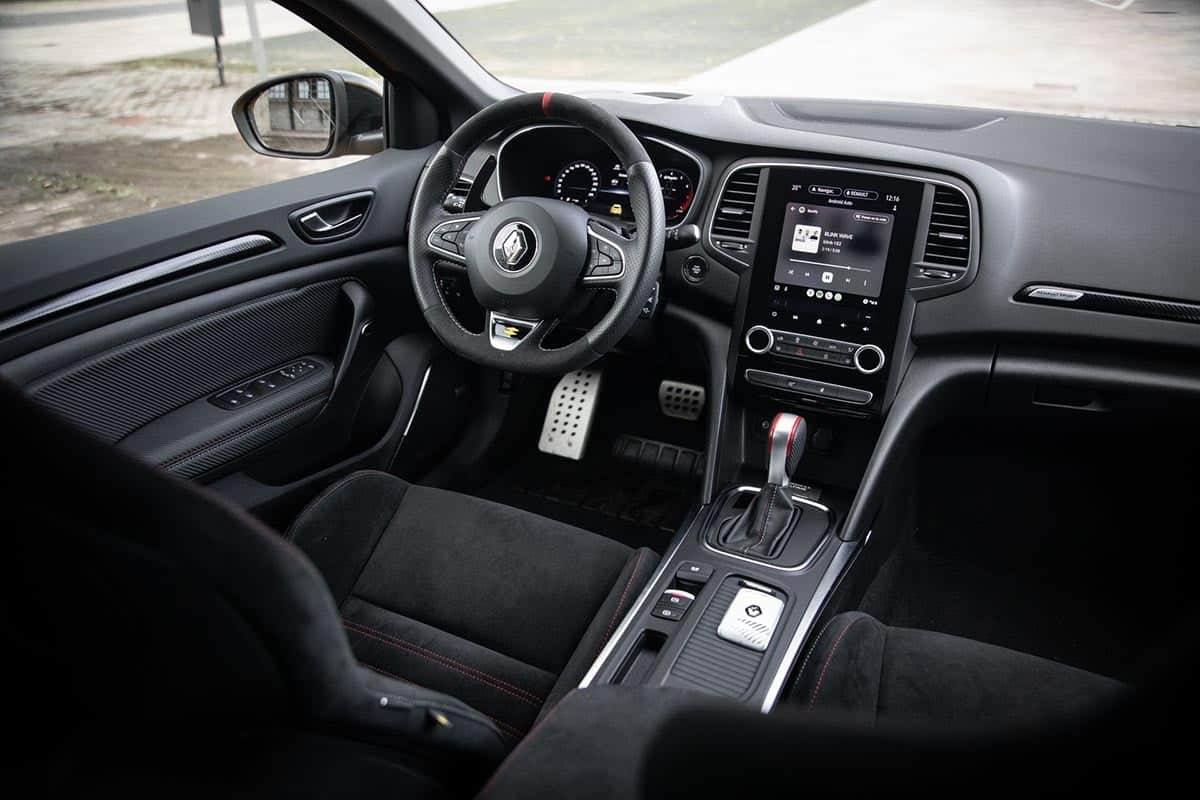
Electrified Sportiness: What Compromises for Purists?
While the idea of a hybrid Clio RS may be rationally appealing, it also raises a central question: what remains of the mechanical emotion so dear to Renault Sport fans? Adopting a hybrid engine, often paired with automatic transmission and predictive electronic management, risks dampening the raw sensations that made past RS models special.
The weight increase from the battery and electric system can also be problematic for a car whose dynamics depend closely on power-to-weight ratio. It will require very fine chassis tuning work to maintain the incisive road feel that built the Clio RS’s reputation.
However, some manufacturers have shown that compromise is possible. The Toyota Yaris hybrid variants, for example, manage to offer an enjoyable driving experience despite an electrified base. Renault will need to find the right balance between technological efficiency and driving pleasure, or else the RS badge’s return could lose its aura.
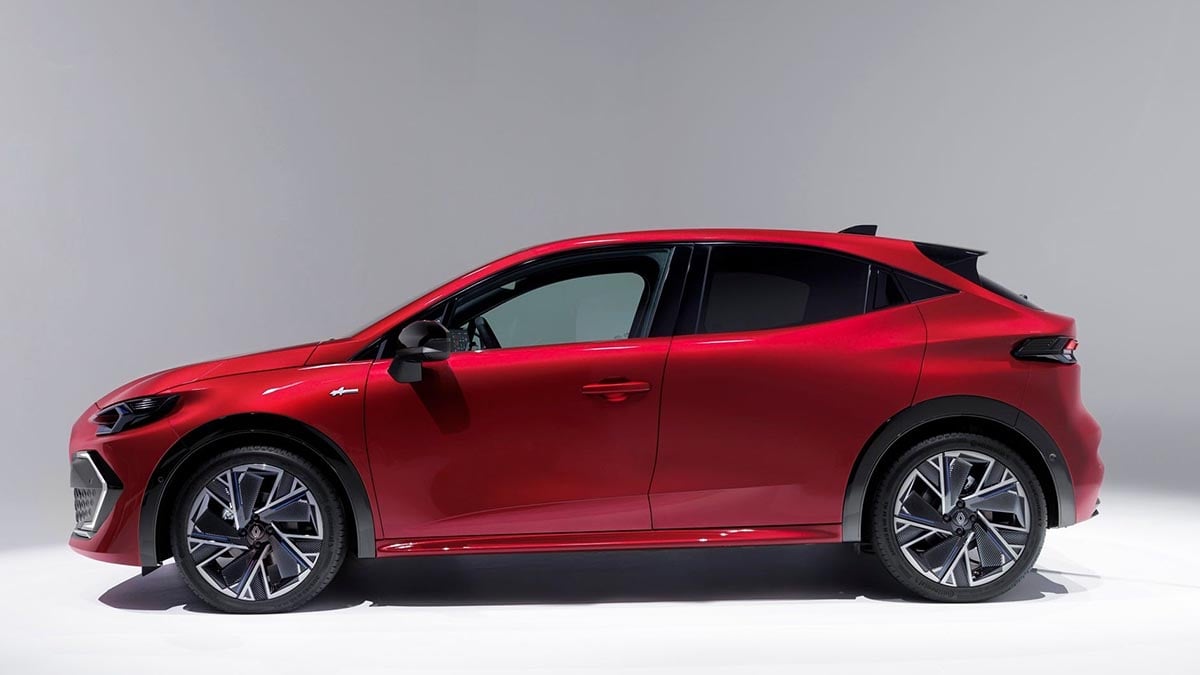
A Response to European Market Constraints
In an increasingly constrained regulatory environment, where gas-guzzler penalties now exceed $55,000 for some gas-powered sports cars, hybridization appears as the only viable path to revive an affordable sporting hatchback. Efficient compact cars like the Fiesta ST, 208 GTi, or Suzuki Swift Sport have all left the market or been significantly detuned.
Young buyers, the Clio RS’s traditional core target, now face reduced choices, sharply rising prices, and increasingly restrictive urban usage regulations. In this context, a hybrid Clio RS could fill a market void by addressing those still seeking a fun car… without abandoning compliance.
For Renault, it’s also an opportunity to revitalize its brand image among enthusiasts without sacrificing emissions reduction goals. A strategic and emotional double win.
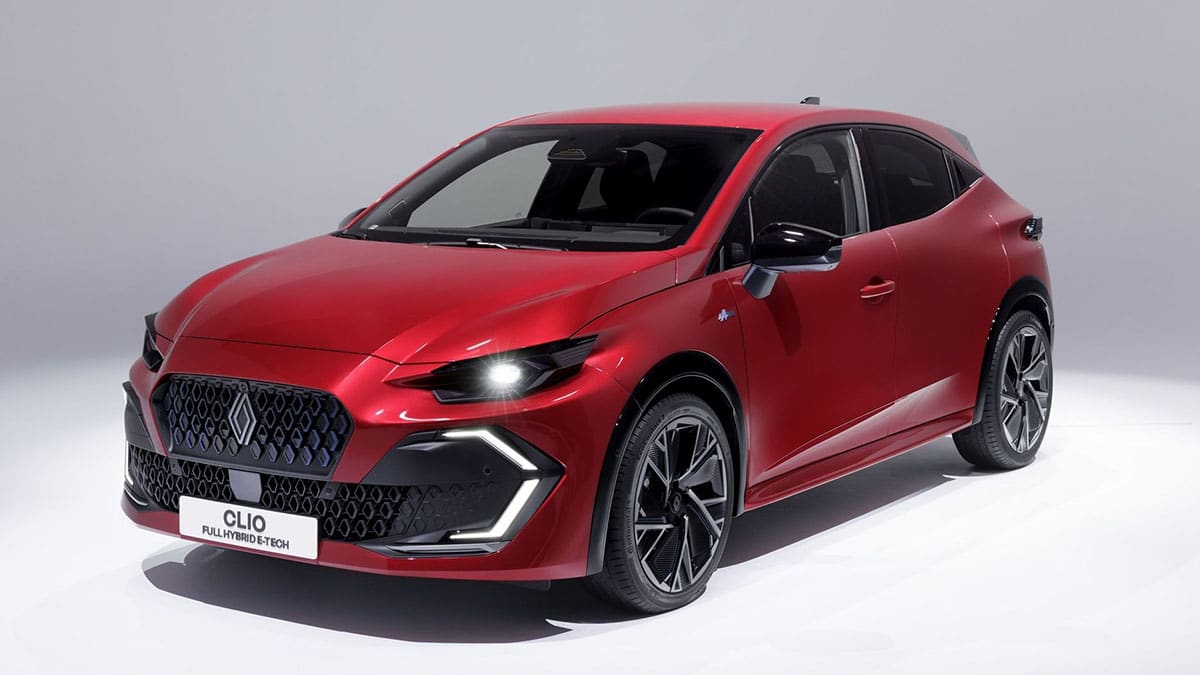
RS, Alpine, E-Tech: What Sports Strategy for Renault?
Since Renault Sport’s official disappearance, the RS label has been dormant, leaving the field clear for Alpine to carry the brand’s sporting ambitions. But Alpine now operates in a much more premium and 100% electric register. Between the upcoming R5 Alpine and future models from the sports brand, there remains a gap in the accessible segment that only a Clio RS could fill.
Relaunching the Clio RS in hybrid form would allow Renault to revitalize its compact range while creating a bridge between the gas and electric worlds. The logic would be to position this electrified RS below the future R5 Alpine in both price and features, while capitalizing on a name loaded with history and recognition.
The question remains whether this new Clio RS would still carry the RS label or adopt a new name in line with the Esprit Alpine limited series. One thing is certain: demand for a sporting hatchback still exists. And Renault, if they play their cards right, could well rekindle a flame we thought was permanently extinguished.

