
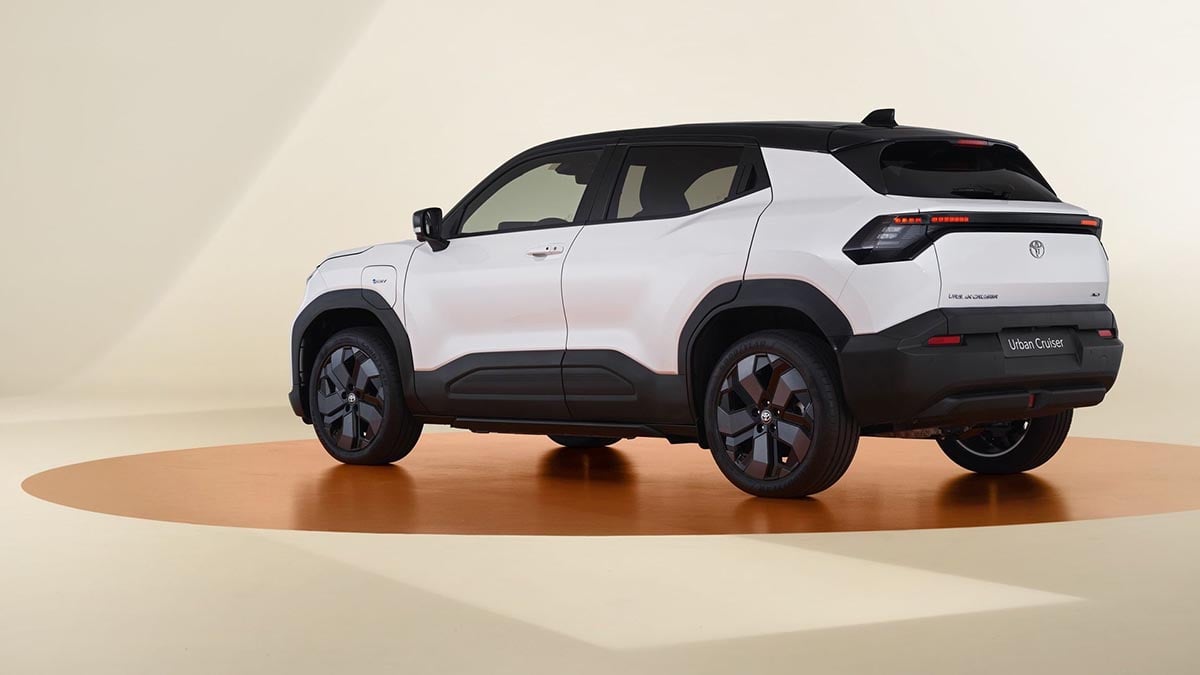
The winds of change are blowing strong in the compact electric SUV segment, and Toyota is no exception. As the Japanese brand multiplies initiatives to offer alternatives to its traditional hybrids, a new 100% electric model is sparking curiosity: the Urban Cruiser. With its urban-friendly size, zero-emission powertrain, and attractive price on paper, this SUV seemed to have all the cards in its favor to seduce American drivers. Yet the curtain has fallen before it was even raised in the US.
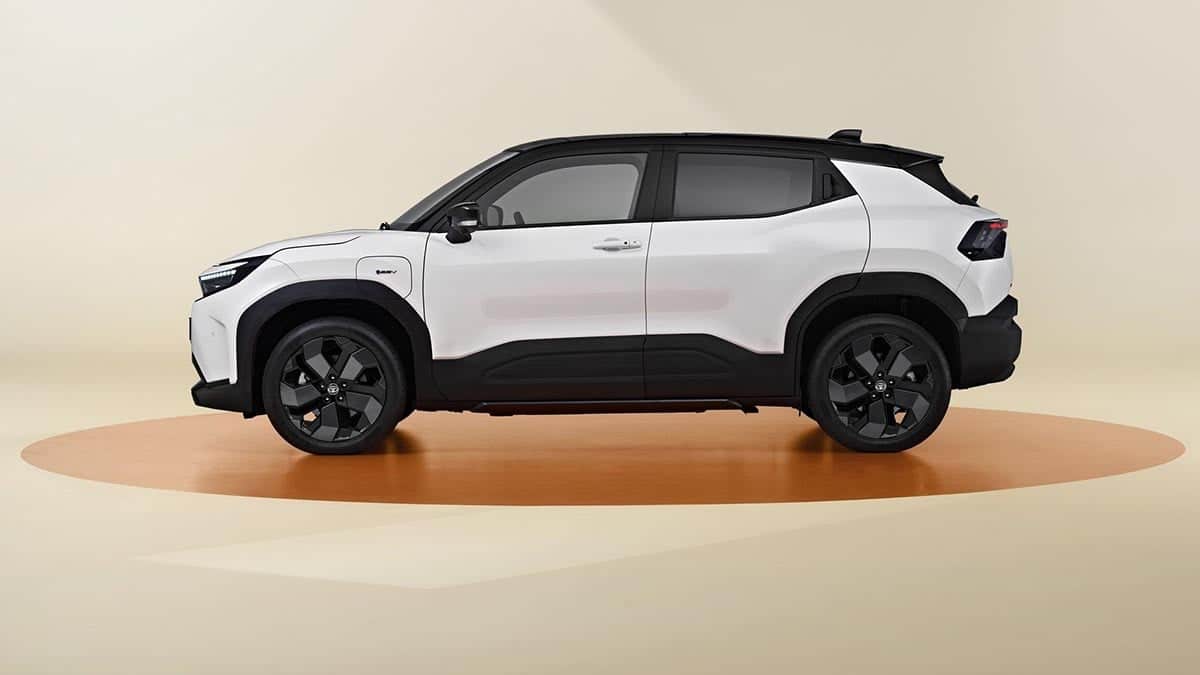
Because as promising as it may be, the Urban Cruiser won’t set its wheels on American soil. At least, not under the Toyota badge. The manufacturer has decided not to launch this model in the US, citing insufficient profitability amid still-tepid electric vehicle penetration. A tough blow for those hoping for a more affordable alternative to the bZ4X, especially as the SUV positions itself in direct competition with the C-HR+, already available here and more capable… but also more expensive.
But the story doesn’t end there. Because while Toyota is giving up on marketing the Urban Cruiser in America, it could well appear in disguise, under the Suzuki flag. The result of an industrial partnership between the two manufacturers, this electric SUV will reappear in 2026 under the name Suzuki e-Vitara, offering American drivers a second chance to access this intriguing model. In the meantime, Toyota is betting everything on the C-HR+, a bold strategic choice in an electric market still in flux.
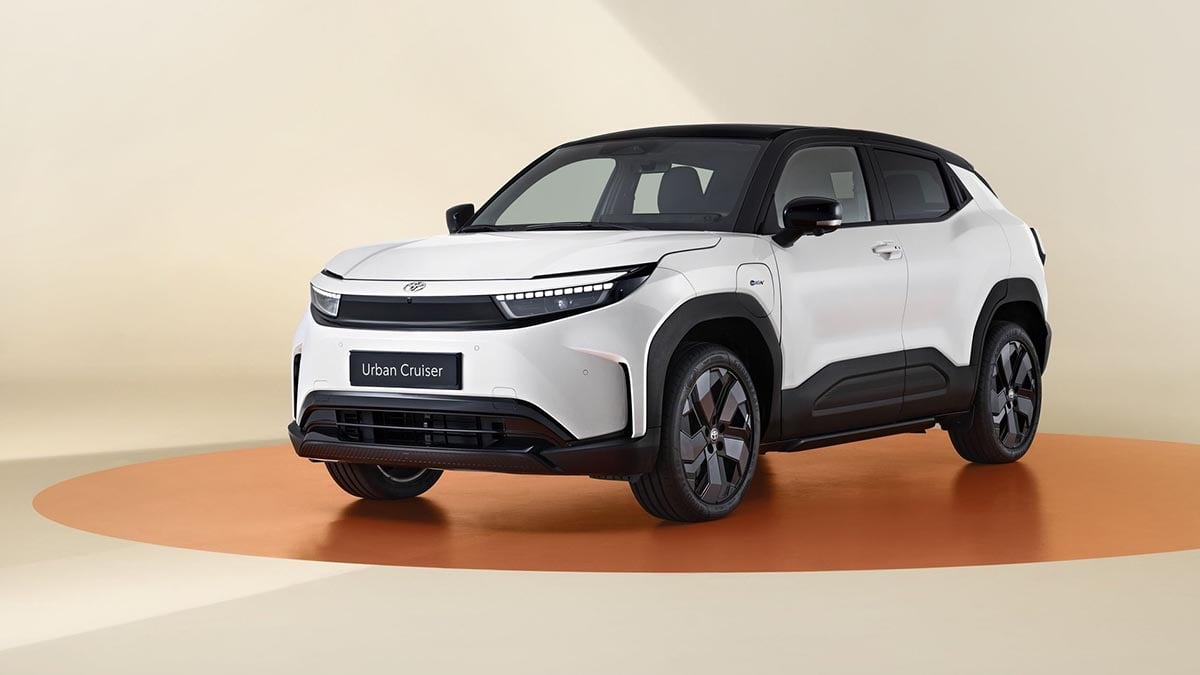
A Compact Electric SUV That Checks (Almost) All the Boxes
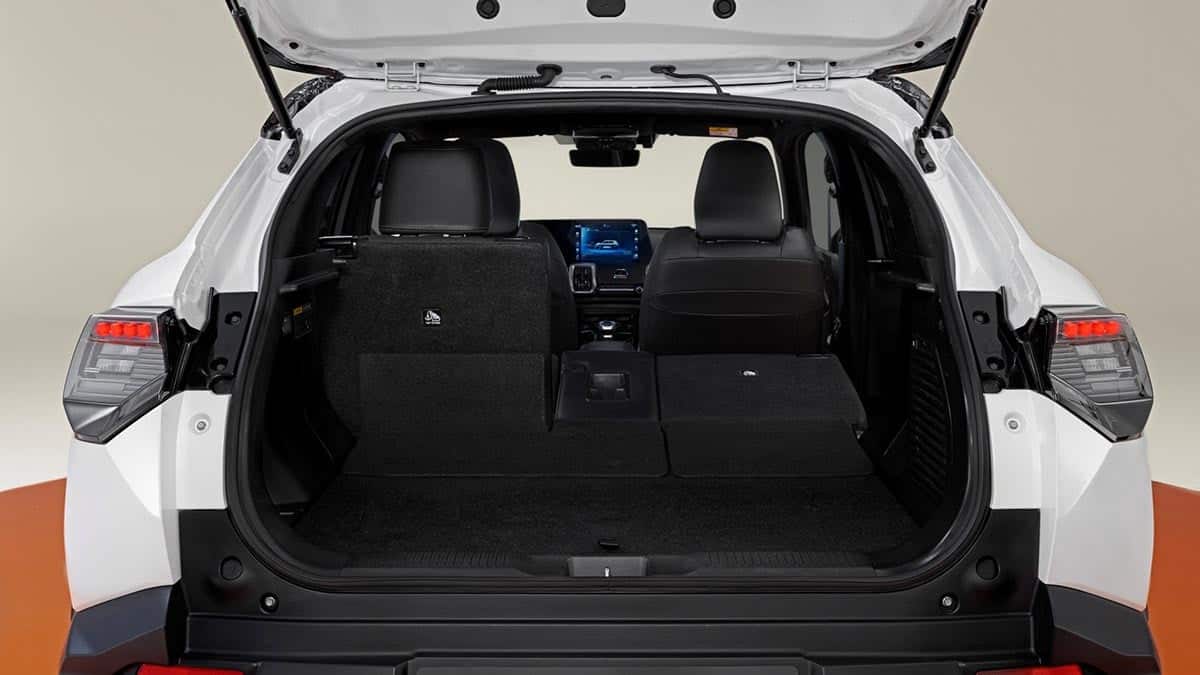
At 168.5 inches long, the Toyota Urban Cruiser fits into the highly competitive category of 100% electric urban SUVs. Designed for daily and urban use, this model relies on honest but unextravagant technical specifications. Its electric powertrain develops between 144 and 184 horsepower depending on the version, with a range varying from 205 to 261 miles according to the EPA cycle, decent figures for the segment’s expectations. The cargo space barely exceeds 10.6 cubic feet, making it clearly focused on compactness rather than family versatility.
This technical approach aims to offer a more accessible option compared to the more powerful – and more expensive – electric models already present in Toyota’s lineup. With an entry-level version priced around $35,200 in European markets, the Urban Cruiser intended to seduce urban customers seeking sobriety and efficiency. But at this price point, the gap with the Toyota C-HR+ quickly becomes a problem… especially in America.
The arrival of the Urban Cruiser could have strengthened Toyota’s electric vehicle offering, particularly against competitors like the Kia EV3. But the company preferred to abandon its American launch to avoid internal warfare between its own models. The Urban Cruiser, despite its appealing format, risked being cannibalized by a big brother much better armed for the American market.
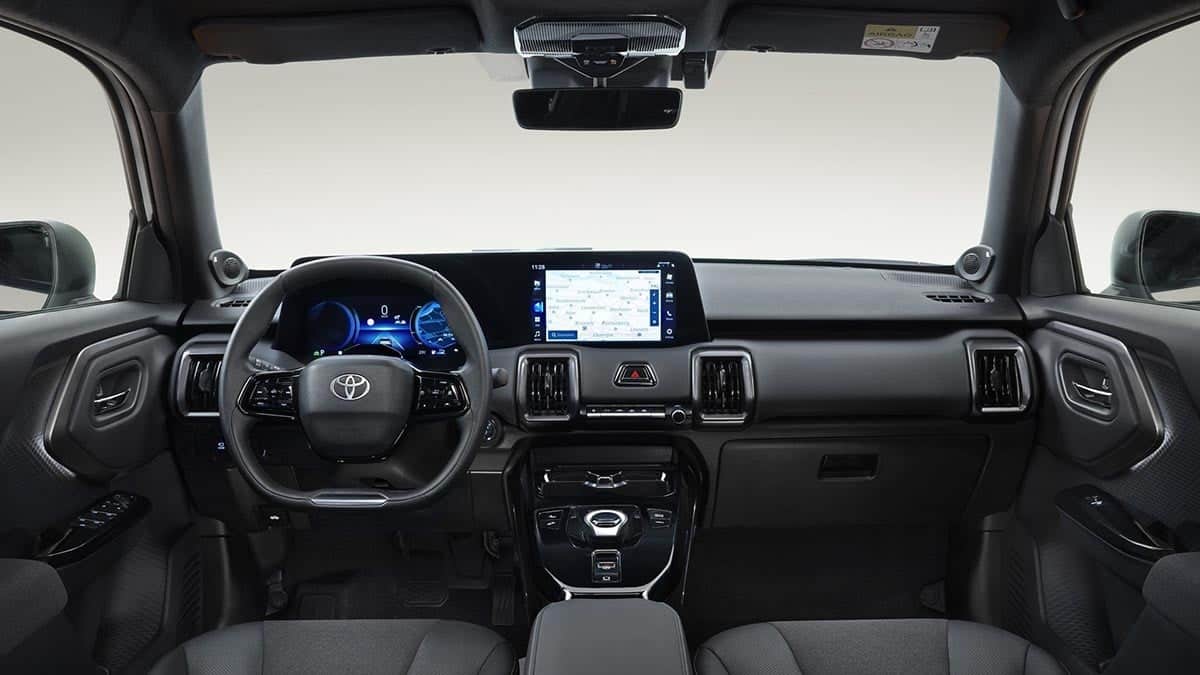
Why Toyota Said No to America for the Urban Cruiser
The decision not to launch the Urban Cruiser in the US isn’t a technological dismissal, but rather a pragmatic strategic choice. Toyota USA judged that the logistical, commercial, and communication efforts needed to introduce a new electric model weren’t justified by current sales prospects. In short, with EV penetration rates still low in our territory, the game wasn’t worth the candle.
Especially since its pricing position put it in a delicate spot. With a base price of $35,200, the Urban Cruiser found itself close to the C-HR+, whose entry version starts at $40,150 (before federal tax credits). Yet the latter offers 224 horsepower and up to 373 miles of range, significantly superior performance for a limited surcharge. Hard to justify the arrival of a less capable model at an almost equivalent price.
In a context where each electric vehicle launch represents a major investment, Toyota preferred to focus its resources on the C-HR+, better equipped to rival market leaders. A rational choice that highlights the difficulty of offering several competitive electric models at accessible prices in a still-hesitant market.
The Toyota C-HR+: America’s Electric Champion
Already well-established in the territory, the Toyota C-HR+ has been identified as the brand’s electric workhorse for America. Larger, more powerful, and especially longer-range, it presents significantly superior perceived value while remaining in a competitive price range. Starting at $40,150, it offers 224 horsepower and range up to 373 miles, all in a decidedly modern SUV coupe design.
Facing a market where the Kia EV3 is gaining momentum and Tesla remains in a class of its own, Toyota has chosen to reduce its margins on the C-HR+ to better position it. An aggressive strategy aimed at securing significant sales volumes despite competitive pressure. In comparison, the Urban Cruiser, with its 205 to 261 miles of range and more modest powertrains, would have struggled to convince, even at a lower price.
Thus, Toyota confirms its selective approach to the American market, prioritizing commercial efficiency over reference multiplication. A method that, while it may frustrate some customers seeking a more compact and affordable EV, fits into an assumed profitability logic.
Suzuki e-Vitara: The Urban Cruiser’s Disguised Return to Our Roads?
It may just be goodbye for now. Because the Urban Cruiser, as offered elsewhere globally, isn’t an exclusive Toyota model. It’s part of a co-production with Suzuki, and will soon be launched in America under the name Suzuki e-Vitara. Scheduled for 2026, this technical clone will adopt identical characteristics to the SUV refused by Toyota USA.
It’s therefore a disguised second chance for this model, which could find new legitimacy by changing badges. Suzuki, often better positioned on price/performance value, could adopt a more aggressive pricing policy to make the e-Vitara a credible alternative to entry-level EVs. The final price remains to be announced, as it hasn’t been communicated yet.
The irony is that American drivers could soon buy the Urban Cruiser… without knowing it. And if the maneuver works, it will indirectly validate the model’s initial potential that Toyota didn’t want to exploit itself. Another example of the cross-industrial strategies that now shape the American automotive market.

