
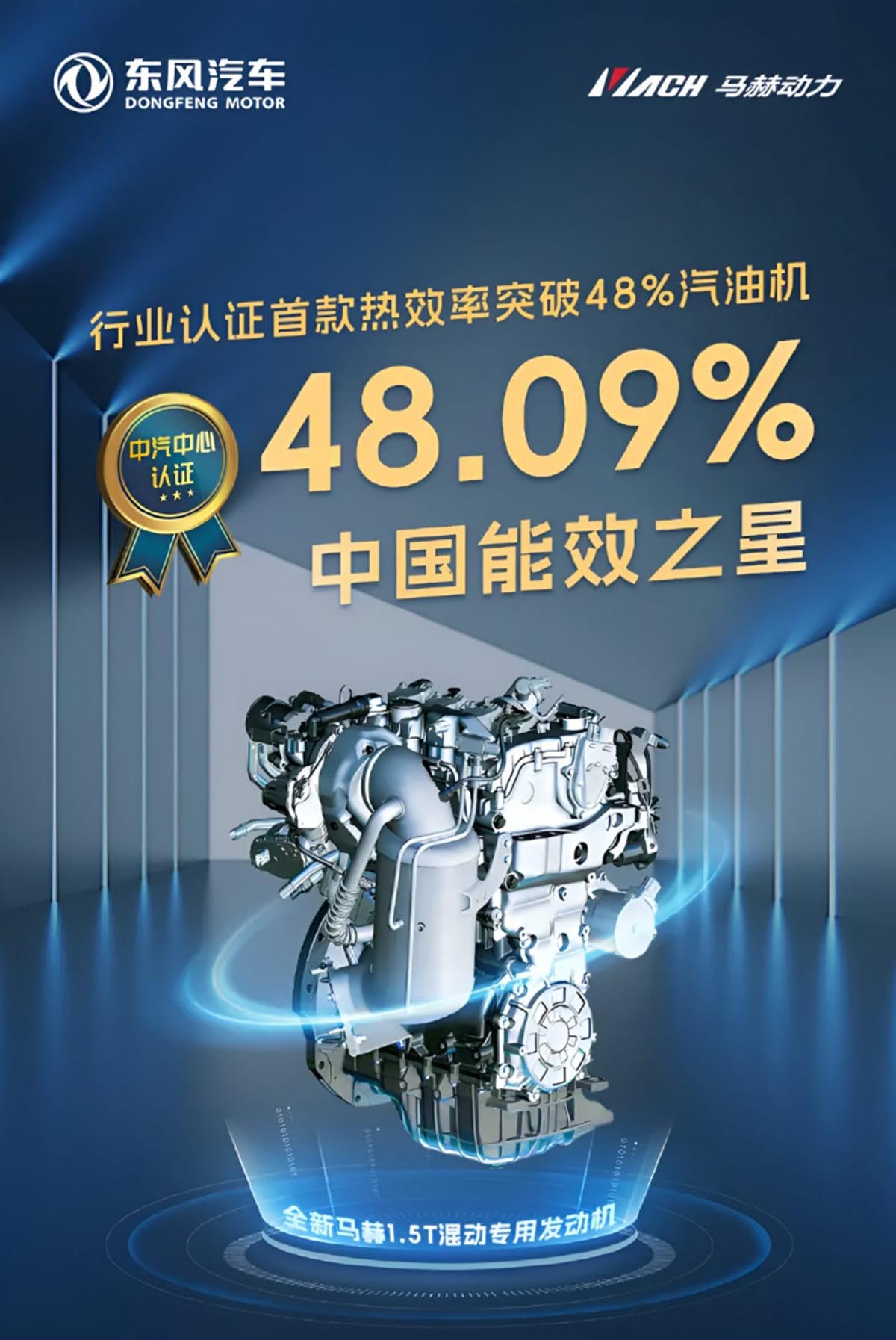
Dongfeng announced that its 1.5-liter turbo gasoline engine dedicated to hybrid applications, dubbed Mach 1.5T, has obtained the Energy Efficiency Star certification from the China Automotive Technology and Research Center, with a maximum thermal efficiency of 48.09% — a level rarely achieved by a hybrid internal combustion engine.
Thermal efficiency measures an engine’s ability to convert fuel energy into useful mechanical work: the higher this percentage, the lower the fuel consumption and the less energy is lost as heat. This result places this engine well above traditional hybrid engines, often around 40–41% efficiency, or slightly more for some recent blocks.
To achieve this, Dongfeng integrated numerous innovations, such as more complete combustion thanks to a compression ratio above 15.5:1, high-pressure injection (500 bar), variable geometry turbo and variable valve timing systems optimized for hybrid, and reduced mechanical friction.
Less Fuel, More Range: Tangible Benefits
This efficiency gain isn’t limited to an engineering figure. In practice, Dongfeng claims that this Mach 1.5T hybrid engine notably allows for reduced fuel consumption, increased range per tank (nearly 10% more) and fewer gas station stops, thanks to thermal operation optimization even when the car is subjected to varied driving conditions (city, highway, freeway).
The interest of such performance is particularly notable for non-plug-in hybrid or “basic” hybrid systems (where the internal combustion engine must remain very present), as improving thermal efficiency directly leads to reduced CO₂ emissions and fuel costs over time.
Technically, this engine could be integrated into future Dongfeng hybrid models — or even industrial partners — for vehicles like SUVs or sedans, providing a balance between power, fuel economy and operating cost.
A Technological Milestone for the Hybrid Sector
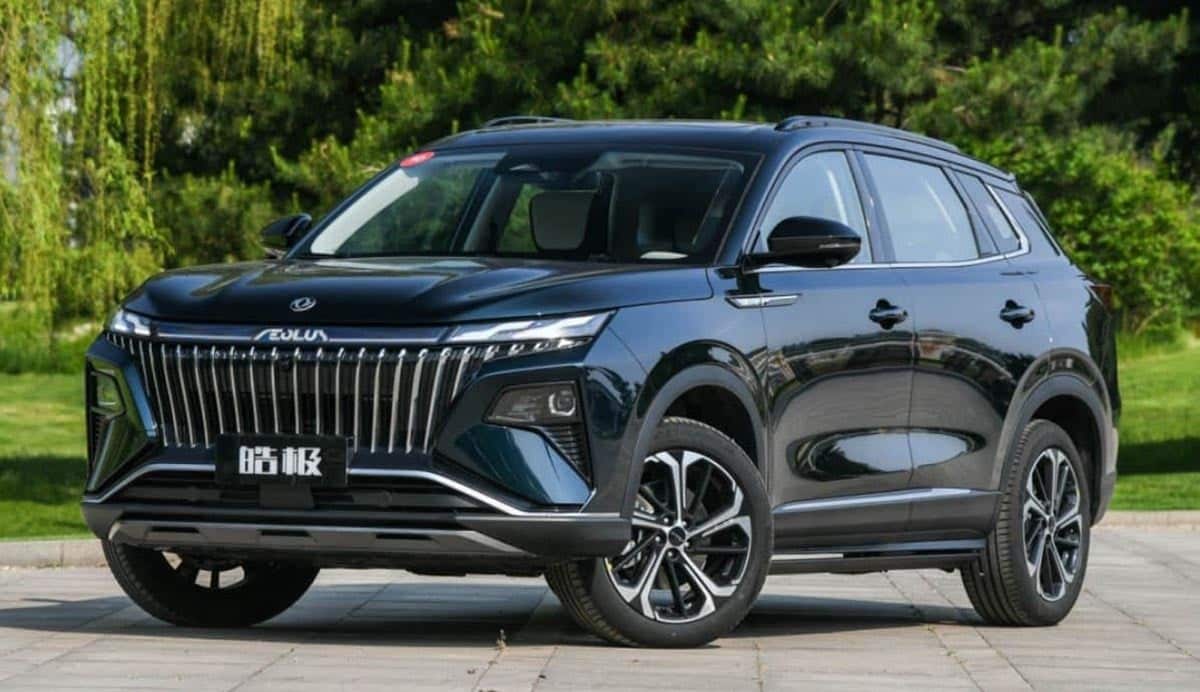
With this certified thermal efficiency, Dongfeng sets the bar very high in a competition where energy efficiency is a key criterion to meet increasingly strict emission standards. This optimization of the internal combustion engine, even within a hybrid architecture, illustrates the continued progress in internal combustion technologies, even in the age of all-electric.
While some manufacturers are gradually abandoning traditional internal combustion engines, Dongfeng’s approach shows that it’s still possible to significantly improve the performance of a conventional engine when coupled with an intelligent hybrid architecture. If this engine is indeed integrated into vehicles marketed on a large scale — in China first, then perhaps internationally — it could constitute a technical reference for future generations of hybrid vehicles.
Which Vehicles Will Be Equipped with the Dongfeng Mach 1.5T Hybrid Engine?
Dongfeng has not yet confirmed the first models that will receive this hybrid engine with 48.09% thermal efficiency, but several leads are emerging. It’s likely that this powertrain will initially be reserved for the Chinese market, particularly on high-volume models such as:
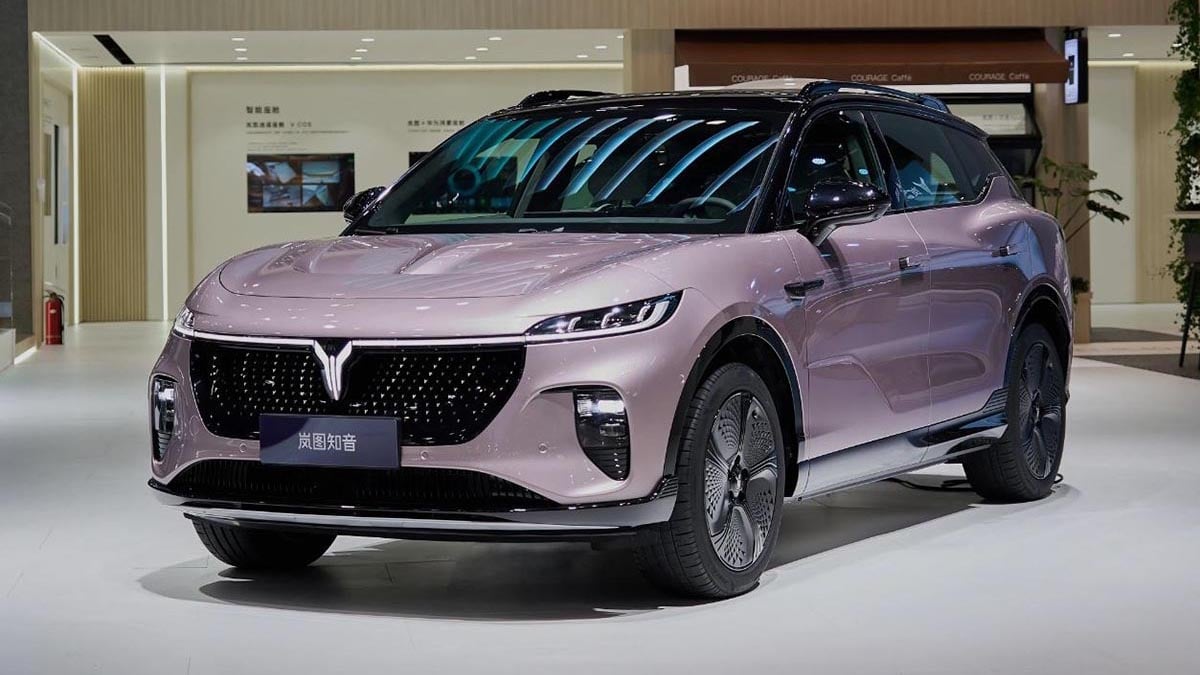
- the Dongfeng Aeolus Haoji, a compact hybrid SUV already available with an electrified version based on a more conventional 1.5T engine
- the future Dongfeng Nammi 6, an expected crossover with an optimized parallel hybrid system
- Voyah models, Dongfeng’s premium brand, which could benefit from an evolved version to combine power and efficiency
In the longer term, this engine could also interest foreign partners of the Dongfeng group, particularly in joint ventures (with Honda, Nissan or Stellantis for example). Its compatibility with simple hybrid architectures makes it attractive for B+ and C segments in the US or Asia, provided adaptation to local standards (EPA, CARB, etc.).
Dongfeng also intends to strengthen its position in developing high-efficiency powertrains for electrified vehicles. This engine could therefore play a role in hybridizing gas-powered SUVs still very present in emerging markets, or be used in flexible platforms combining gasoline, hybrid and electric.

