
There was a time when premium off-roaders could be counted on one hand: Range Rover, G-Class, Toyota Land Cruiser. Audi, despite its countless SUVs with quattro all-wheel drive, had never dared cross the red line into hardcore 4×4 territory. But that era is coming to an end: the German brand is preparing a brand-new model designed for real adventure—and this project will be developed… in the United States.
The manufacturer has officially announced the launch of a future “old-school” 4×4 based on a body-on-frame chassis, designed and produced by Scout Motors, an American brand relaunched by the Volkswagen Group. The objective is clear: give Audi a new weapon capable of challenging the segment’s benchmarks, combining premium technology, real off-road capabilities, and electrified powertrains.
The idea may surprise, but it responds to a precise strategy: conquer an audience hungry for rugged SUVs in the United States, while redefining the codes of a segment in full transformation. For Audi, this 4×4 represents much more than a new model: it’s a strategic turning point, where prestige will no longer be just urban, but also dusty, battle-scarred… and remarkably credible.
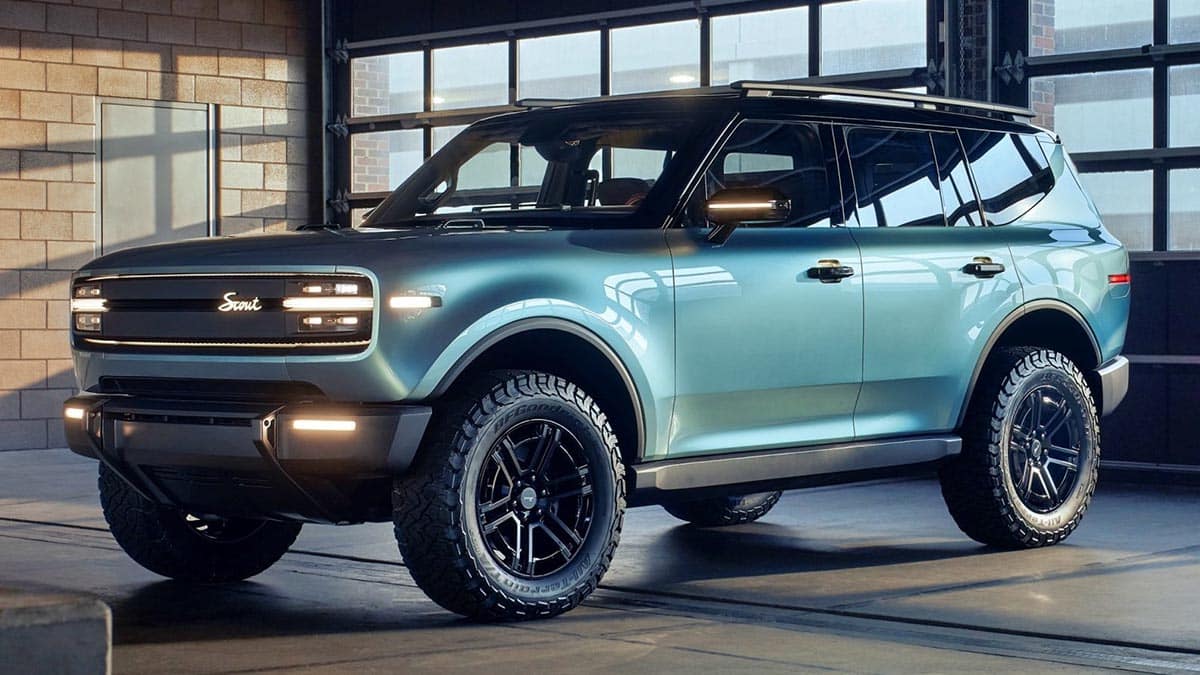
An Surprising Alliance Between Audi and Scout for an Exceptional 4×4
Audi, symbol of technological luxury and civilized all-wheel drive, is preparing to make a strategic leap. The four-rings brand is preparing a true off-roader, in the technical sense of the term, that will break with the DNA of its current SUVs. And for this, the German manufacturer isn’t working alone. It’s relying on Scout Motors, a Volkswagen Group subsidiary, which will handle the technical development and production of this future 4×4.
This choice isn’t random. Scout, relaunched by Volkswagen to attack the North American market with models inspired by the legendary Scout vehicles of the 1960s, was founded to design robust electric vehicles based on a body-on-frame chassis. Audi will benefit from this technical foundation for its project, while applying its own design, premium finish, and clearly upmarket positioning.
The partnership will allow Audi to reduce development costs and establish itself in the United States with a 100% “made in America” product, thus avoiding tariffs while meeting local market criteria. This model won’t be just another SUV, but truly a new species in the Audi galaxy, designed to tackle the most demanding terrain.
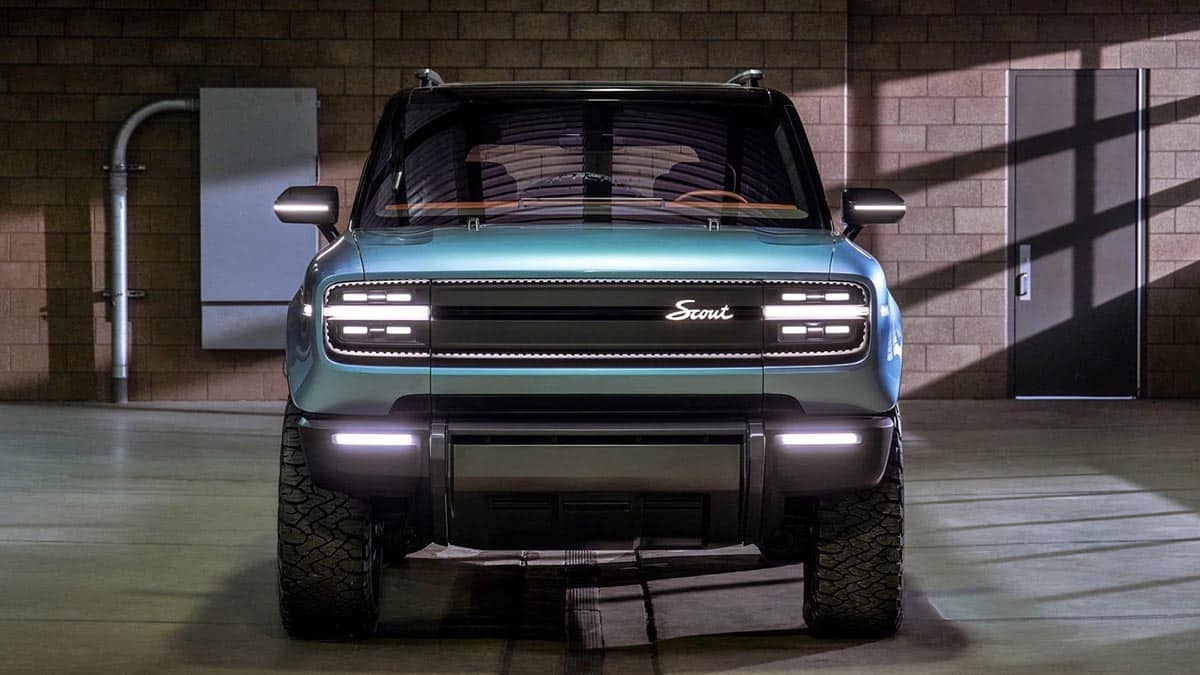
Technology & Ambition: A 4×4 Designed to Go Far—and Hard
The big news is that this Audi 4×4 won’t be a derivative of a Q7 or Q8. It will be entirely new, with a body-on-frame architecture, rare in the premium segment. This type of construction, favored by true trail-blazers (Land Rover Defender, Mercedes G-Class, Jeep Wrangler), ensures better off-road durability and facilitates modularity.
For powertrains, Audi plans an electrified lineup, likely around two approaches: a 100% electric version with dual motors (one per axle) for intelligent all-wheel drive, and possibly a plug-in hybrid variant, or even range-extended, designed to reassure long-distance enthusiasts. The manufacturer remains discreet about technical specifications, but Scout prototypes already promise over 300 miles of range and a towing capacity of 6,000 pounds.
So we can expect a versatile vehicle capable of towing, climbing, crossing—and above all doing it in the premium comfort expected from an Audi. If promises are kept, this future 4×4 could disrupt a market dominated until now by icons that are… aging or ultra-expensive.
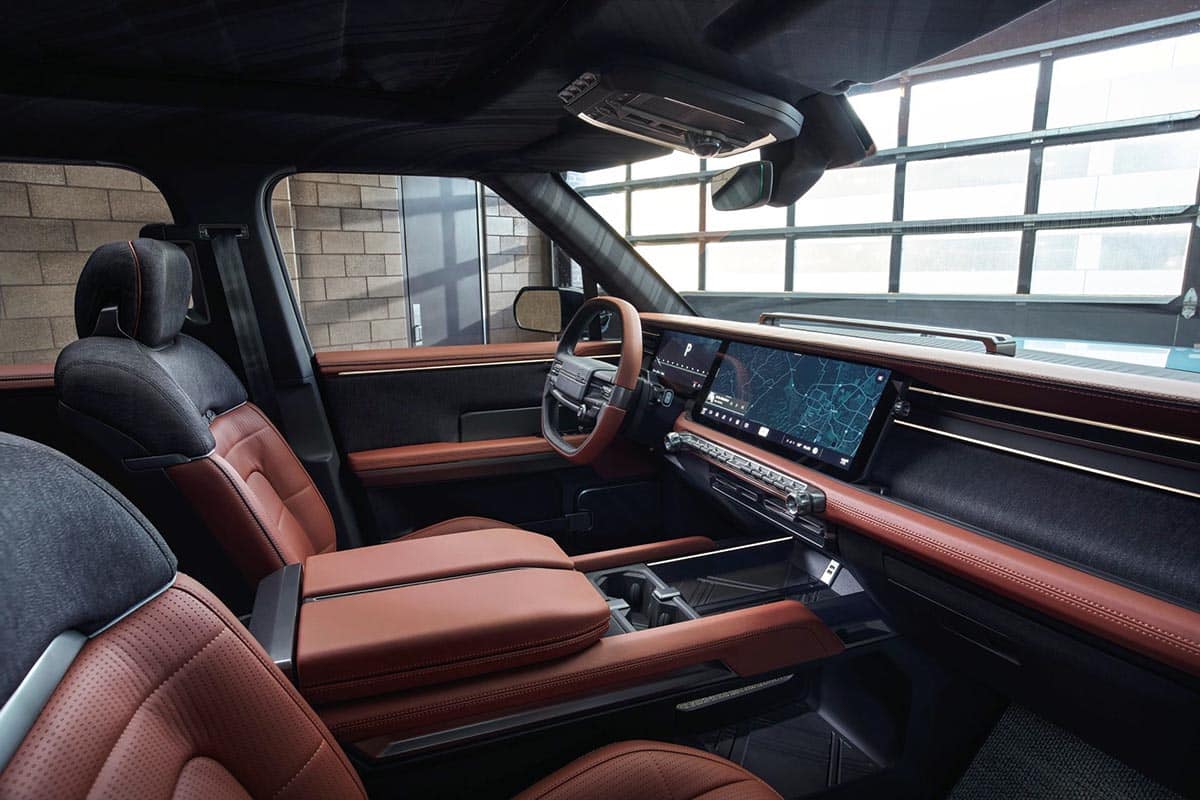
An Audi SUV-4×4: A Strategic Bet Against Mercedes, Land Rover and Toyota
Until now, Audi had never attempted the true off-road adventure. Quattro all-wheel drive has proven itself on snowy or muddy roads, but no model had been designed for extreme off-roading. With this new project, the brand targets a booming segment: premium 4×4s designed to leave the beaten path.
The Mercedes G-Class and Land Rover Defender dominate this niche, but with often stratospheric prices and compromises on daily use. Audi intends to offer a modern alternative, adapted to North American uses (camping, towing, adventure), while remaining accessible to a less elitist premium clientele. It’s also a way to not leave the field open to new entrants, like Rivian or Tesla with its Cybertruck.
With this future model, Audi fills a gap in its lineup and addresses a still little-explored clientele, particularly in the United States. But this strategy isn’t without risk: it implies changing the brand image, mastering overseas production, and convincing a demanding clientele that the four rings belong in mud, sand, or rocks.
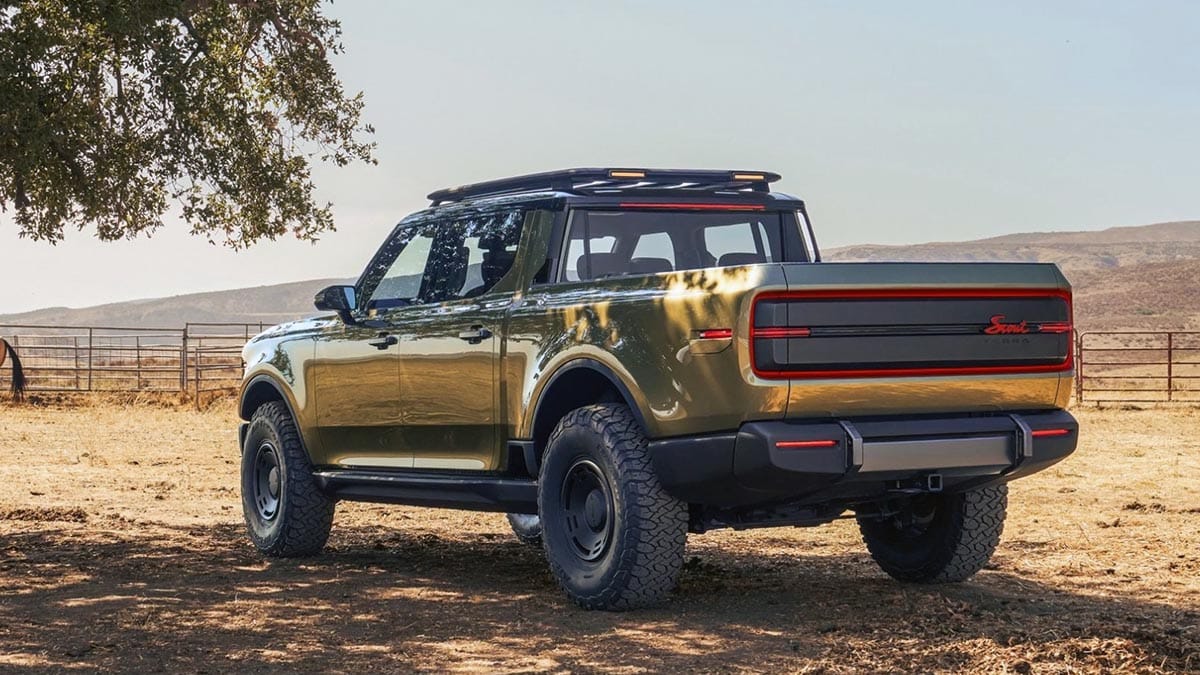
Timeline and Production Constraints
The project is already well advanced: production is announced at Scout’s Blythewood site, in South Carolina, where Volkswagen has invested heavily to establish a factory dedicated to electric 4×4s. This location allows Audi to escape American tariffs and produce locally for the North American market, its primary target.
The official presentation of the model is expected by the end of 2026, for a likely commercial launch in 2027 or early 2028. Audi doesn’t plan high volume initially, but rather an image positioning, designed to enhance the brand and diversify its electrified portfolio in high value-added segments.
As for European commercialization, it remains uncertain. If demand materializes, notably in Germany, Switzerland, or Scandinavia, Audi could consider limited distribution in Europe. But North America remains, for now, the main playground for this unprecedented Audi off-roader.

