
In an automotive market shaken up by the rise of electric vehicles, Dacia continues to chart its own course. Renault’s low-cost brand has just unveiled a new Hybrid-G 150 4×4 powertrain, combining gasoline, LPG, mild hybridization, and rear electric motor. Available starting in 2026 on the Duster and the upcoming Bigster, this technical solution aims to be both efficient, capable, and competent off-road, without abandoning the brand’s fundamentals: simplicity, robustness, and affordable pricing.
Under the hood, there’s a turbocharged 1.2-liter three-cylinder mild-hybrid gasoline engine producing 140 hp at the front, paired with a 31 hp electric motor on the rear axle. The system develops up to 154 hp combined and enables all-wheel drive without a mechanical drive shaft. Add to this the ability to run on LPG, reducing fuel costs accordingly. Everything is paired with a dual-clutch automatic transmission and a small 48V battery allowing brief all-electric operation, particularly in the city.
With a theoretical range exceeding 620 miles and a starting price under $31,700 for the Duster, this system promises to bridge the gap between conventional ICE SUVs and more expensive hybrid solutions. It remains to be seen whether this “modular” technology will appeal to customers seeking simplicity… or those hungry for well-designed technical innovations.
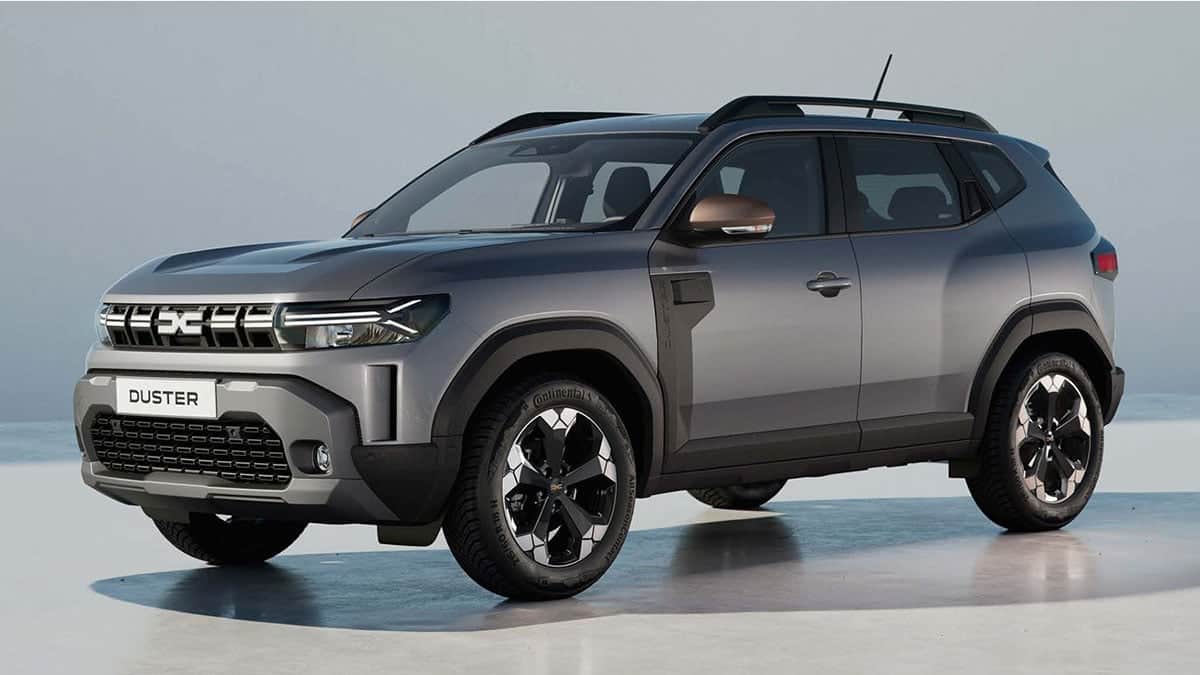
A Unique 4×4 Architecture at Dacia: Hybrid, Bi-fuel, and Without Drive Shaft
Dacia is no stranger to economical and intelligent technical solutions. But with the new Hybrid-G 150 4×4, the brand reaches a new milestone. This powertrain is based on a unique combination in mainstream automotive: a combustion engine at the front, an electric motor at the rear, all coupled with bi-fuel management gasoline + LPG, without a drive shaft connecting the two axles. The result: an “electrified” 4×4, without excessive mechanical complexity.
Technically, the main engine is a 1.2-liter turbocharged 3-cylinder gasoline unit producing 140 hp, equipped with a 48V mild-hybrid system. Added to this is a 31 hp electric motor housed on the rear axle. This isn’t designed to offer 100% electric driving over long distances, but rather to provide temporary traction assistance, particularly during loss of grip or high demands.
This system enables all-wheel drive without a longitudinal drive shaft, which frees up space in the cabin and trunk, while limiting weight and consumption. A solution known at Toyota (Yaris Cross AWD-i) or Renault (Kangoo 4Control E-Tech), but unprecedented at this price point. Paired with a dual-clutch automatic transmission, this “electrified” 4×4 targets comfortable and confident daily use on road and off.
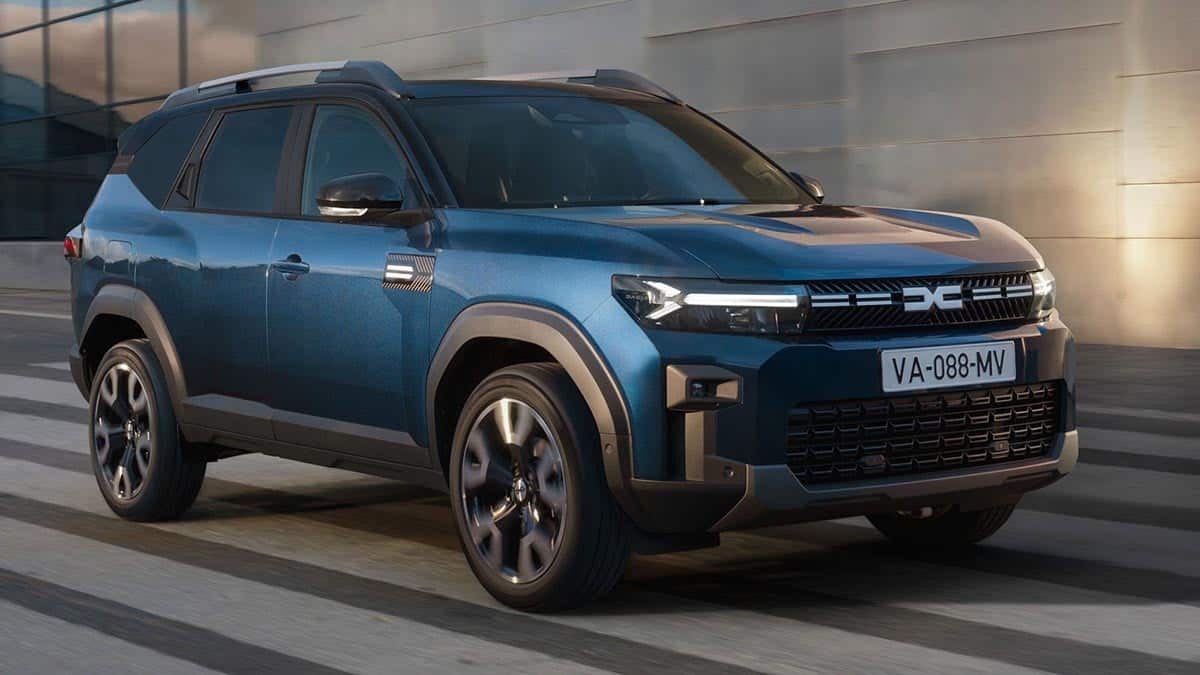
LPG, Gasoline, and Electricity: The Winning Combination for Range
The second pillar of this powertrain relies on bi-fuel LPG/gasoline, a technology Dacia has already mastered for several years on its Eco-G ranges. By combining a 13.2-gallon LPG tank with a gasoline tank of the same capacity, the Duster and Bigster Hybrid-G 150 display a combined range exceeding 620 miles, or even up to 930 miles according to the WLTP cycle.
In use, the vehicle can automatically switch between LPG and gasoline depending on load, driving style, and temperature. The electric portion intervenes occasionally, mainly in the city. In urban use, Dacia announces up to 60% of driving time in 100% electric mode, thanks to the 0.84 kWh 48V lithium-ion battery.
Regarding emissions, the figures are quite flattering: 117 g/km of CO₂ on LPG for the Duster (122 g for the Bigster), a level compatible with controlled automotive taxation. On gasoline, emissions rise to 135 g/km, which remains moderate for a 4×4 SUV. In terms of consumption, the manufacturer mentions 32.2 mpg on LPG, which remains highly competitive considering the all-wheel drive capability.
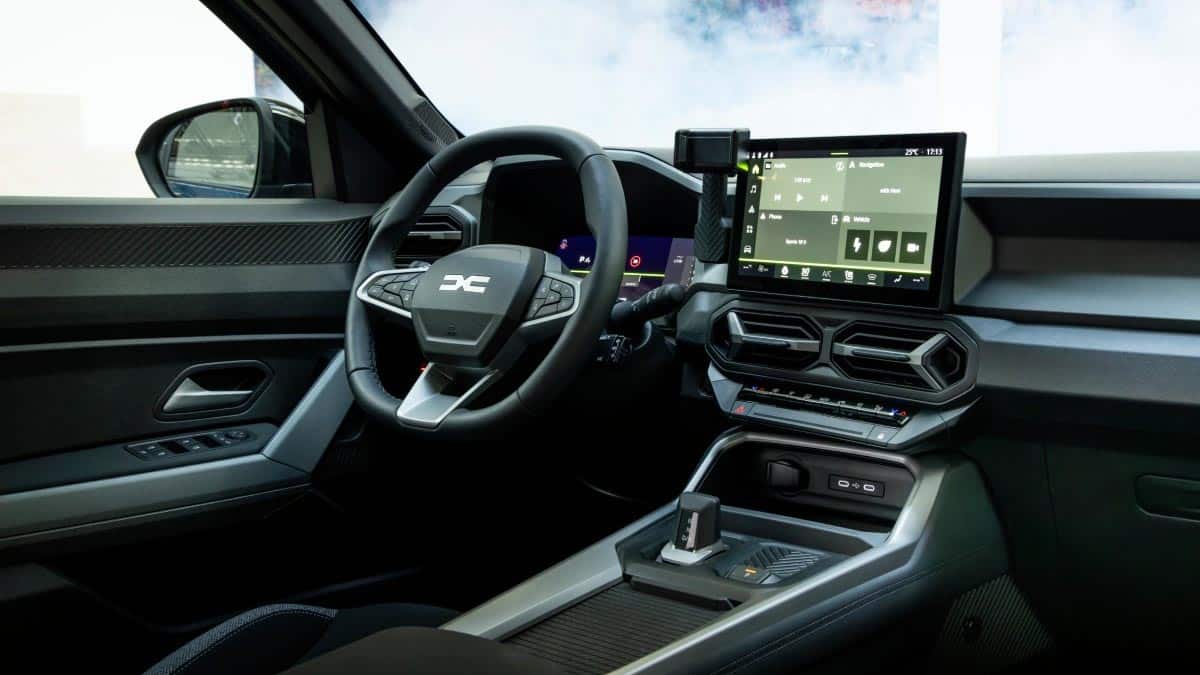
A 4×4 Adapted for Road and Trail, Without Unnecessary Complexity
What Dacia offers here is useful 4×4 traction, adapted to the reality of its customers. No low-range reduction, no differential locks, but an electronically managed system capable of automatically distributing torque between axles, without driver intervention. The goal isn’t to climb rock piles, but to get out of a muddy trail or snowy incline with efficiency and simplicity.
The 6-speed dual-clutch transmission reinforces this impression of modernity: it enables smooth driving without jerks, with the ability to manage gears via steering wheel paddles. Everything is managed by electronics that constantly adjust the power sent to the rear motor.
The Duster’s dimensions (14.2 ft) remain suitable for city use and off-pavement adventures. As for the Bigster, longer and more spacious, it adopts the same technology but with a more family-oriented positioning. In both cases, the Hybrid-G 150 4×4 system offers real functional added value, without unnecessarily weighing down or complicating the package.
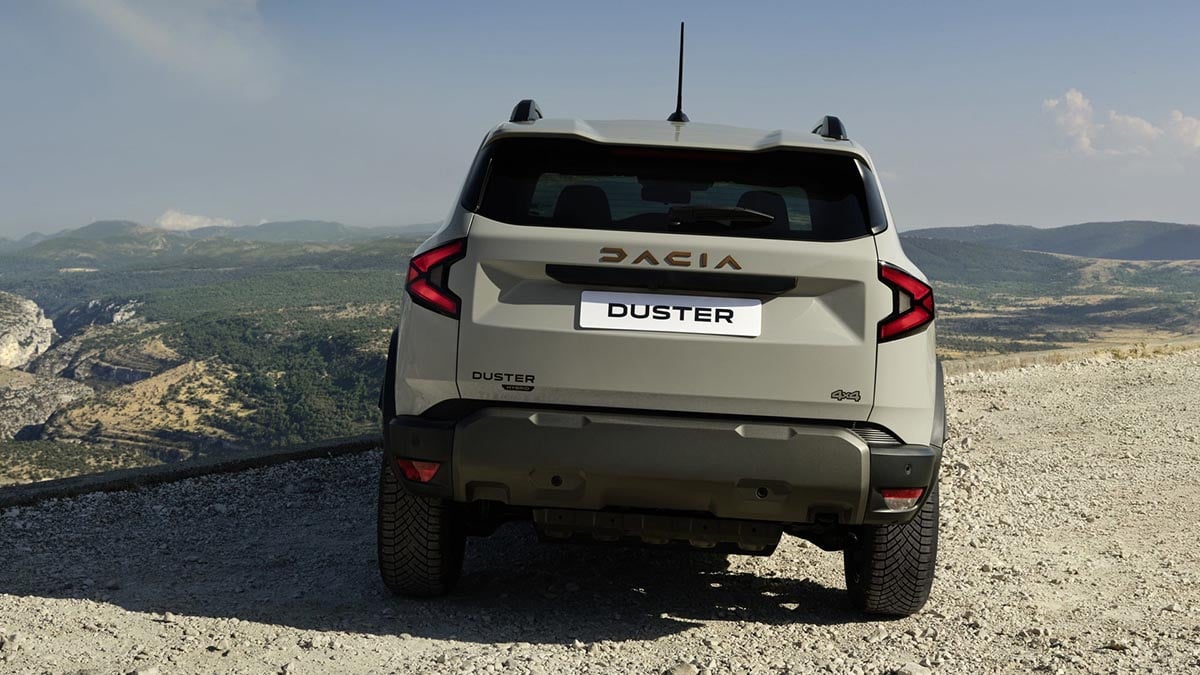
Pricing, Equipment, and Availability: A Hybrid 4×4 Under $35,000
True to its positioning, Dacia manages to contain prices despite the onboard technology. In the US market, the Duster Hybrid-G 150 4×4 would be offered starting at $31,700, while the Bigster with this same powertrain would start at $34,300. Two particularly competitive price points when considering this is an automatic, hybrid, bi-fuel 4×4 that’s well-equipped.
First deliveries are expected in spring 2026, with typical brand trim levels: Essential, Expression, and Extreme. Standard equipment includes the now-classic modern Dacia features: 10-inch touchscreen, backup camera, automatic climate control, cruise control, wireless Apple CarPlay/Android Auto compatibility.
The price-to-performance ratio becomes a key argument here. Few competing models offer all-wheel drive, mild hybridization, and LPG capability at this price point. This could make the Duster and Bigster Hybrid-G 150 references in the versatile SUV market, for those wanting a capable, economical, and robust vehicle without surrendering to complexity or electronic overkill.

