
On American roads, few still recognize its sleek lines. Yet the Honda ZR-V intends to compete in a compact segment where the Toyota RAV4, Hyundai Tucson, and others set the rules. Against this fierce competition, Honda doesn’t rely on flashy styling, but on proven hybrid technology, frugal consumption, and a finely-tuned chassis.
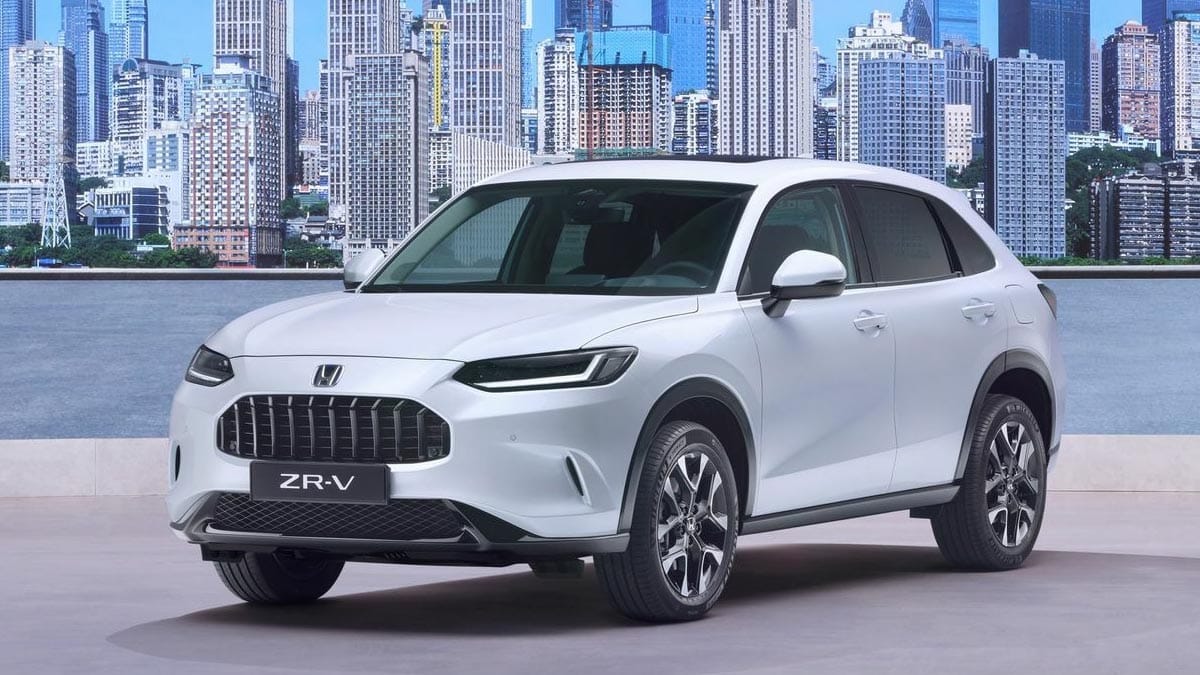
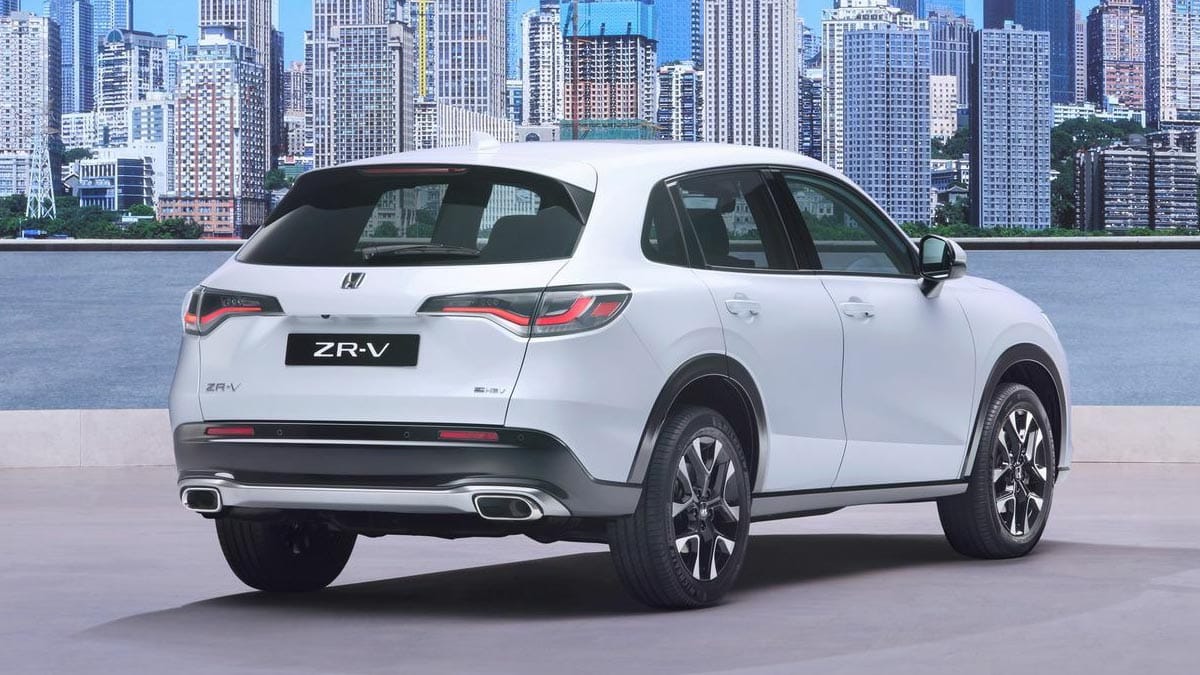
Its exterior styling suggests more of a tall sedan than a massive SUV, making it immediately more accessible for urban driving. Under the hood, a 2.0 e:HEV engine producing 184 horsepower, shared with the CR-V, powers this model designed for global markets. Neither plug-in, nor diesel, nor overly electrified, the ZR-V champions simple, discreet but devilishly effective hybridization. A proposition that, on paper, checks all the boxes.
But here’s the catch: in an American market increasingly sensitive to pricing, the ZR-V’s positioning is surprising. With prices exceeding $54,000 for higher trims, excellent road behavior and efficiency might not be enough. So, does this SUV truly deserve its place among the best hybrids of the moment? Or does its price tag condemn it to remain in the shadow of market leaders?
A Modern Hybrid SUV for City and Highway Driving
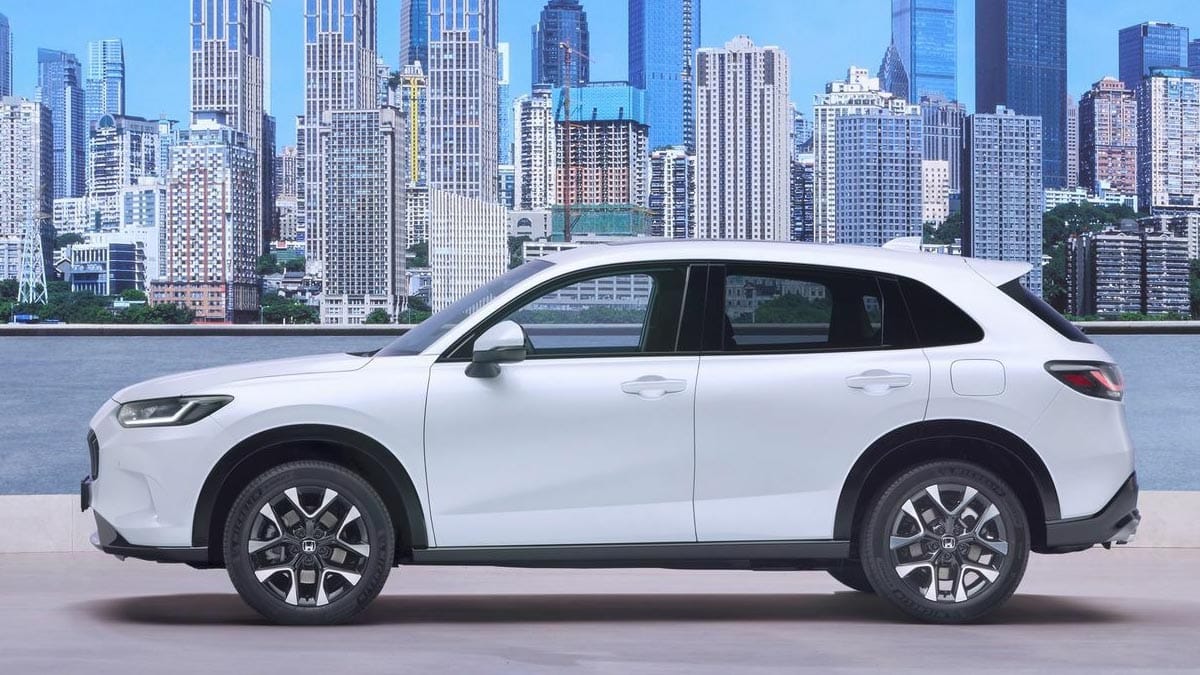
Positioned between the HR-V and CR-V, the Honda ZR-V enriches a lineup where hybrid has become the norm. This C-segment SUV targets drivers who want electrified powertrain without going full electric, while maintaining a size suitable for urban and suburban driving. At 180 inches long, the ZR-V sits squarely against market leaders like the Toyota RAV4, Hyundai Tucson hybrid, and others.
What distinguishes the ZR-V from the first miles is its surprisingly refined driving pleasure. Where other hybrid SUVs prioritize efficiency over dynamics, Honda manages to find a beautiful balance: precise steering, well-damped suspension, and a chassis that inspires confidence, even on winding roads. It thus offers rare versatility in this category, capable of being as pleasant in downtown as at a brisk pace on country roads.
The SULEV rating thanks to its self-charging hybrid powertrain also allows unrestricted access to low-emission zones, a significant advantage over conventional SUVs. This compromise between compactness, efficiency, and road comfort constitutes one of the ZR-V’s major assets, still little known to the general public.
Powertrain, Performance and Handling
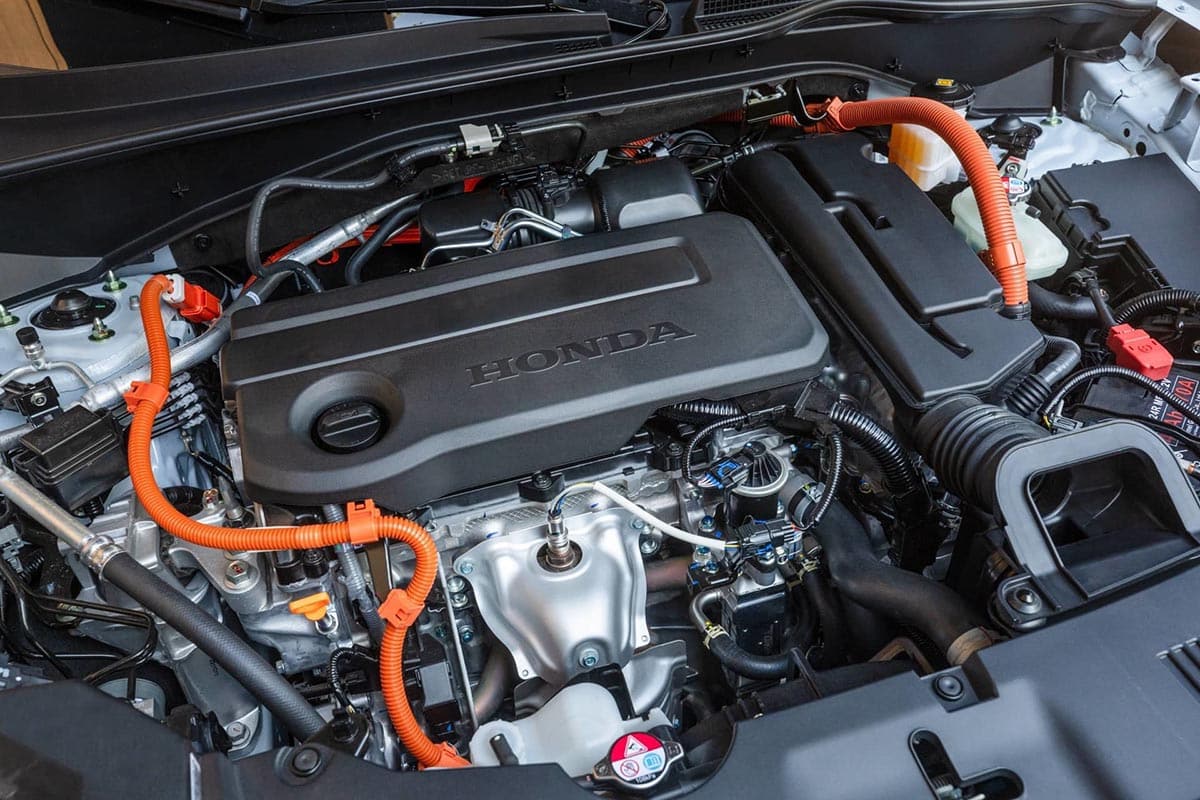
The heart of the ZR-V’s e:HEV system relies on a 2.0-liter naturally aspirated gasoline engine with Atkinson cycle, combined with an electric motor powered by a compact lithium-ion battery. The ensemble develops 184 horsepower and relies on a continuously variable transmission (CVT), designed to simulate the ratios of a traditional automatic transmission.
When driving, this powertrain proves smooth and responsive, especially in urban environments, where the electric motor often takes over. The system intelligently switches from one mode to another (electric, hybrid, or gasoline), without the driver needing to intervene. Result: real-world fuel economy that remains controlled, with an average around 41 mpg observed during testing — a very competitive value in this category.
Performance-wise, 0-60 mph is announced in 7.9 seconds, a more than adequate figure for an SUV of this size, even if the acceleration feel is sometimes diminished by the typical effect of CVT transmissions. On the highway, the ZR-V remains stable, quiet, and well-insulated, even at sustained speeds, reinforcing the impression of an SUV more mature than its size suggests.
Comfort, Ergonomics and Habitability
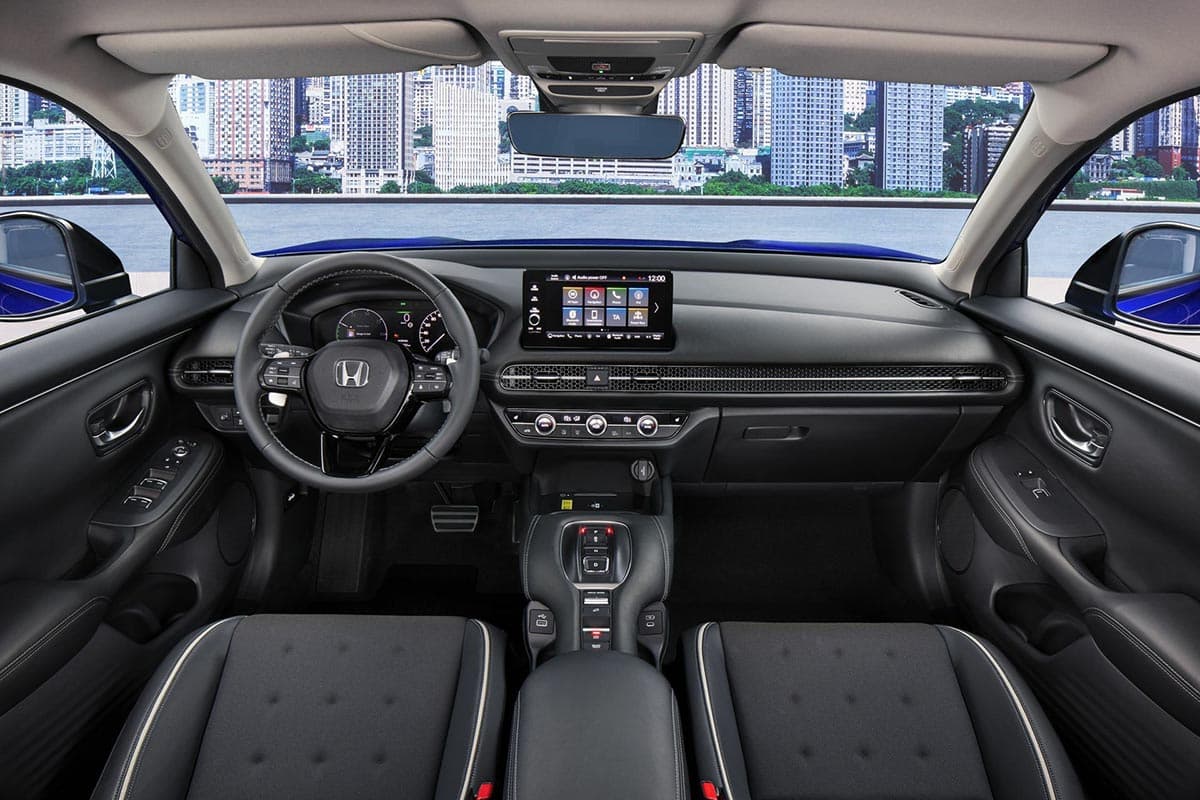
The ZR-V’s interior stands out with a sober but quality atmosphere. The materials used, while not luxurious, breathe solidity and good taste. Here we find Honda’s philosophy: ergonomics centered on the driver, with simple, accessible controls, and a natural driving position. The 10.2-inch digital instrument cluster is readable, while the 9-inch central touchscreen remains functional, though perfectible in fluidity.
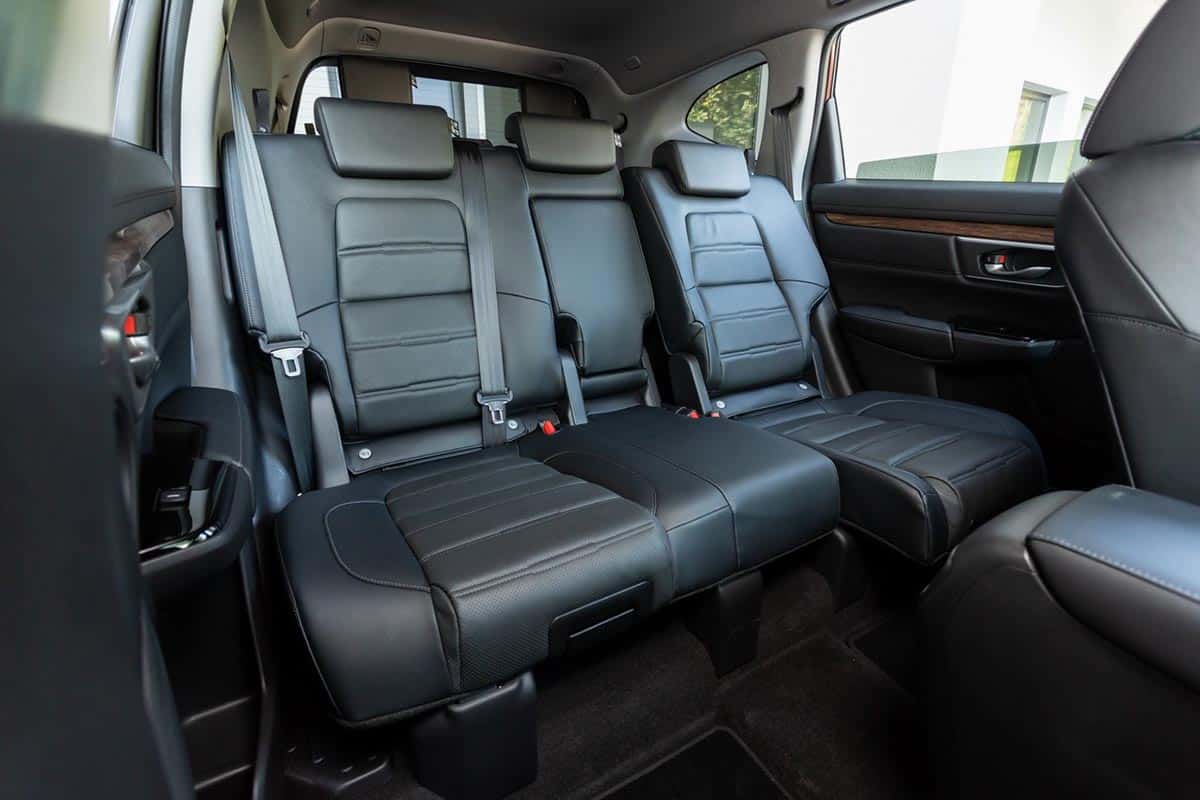
The front seats offer excellent support, suitable for both short trips and long distances. In the rear, space is adequate for two adults, even if the slightly prominent center tunnel limits comfort for a third passenger. Headroom is sufficient, but some competitors do better in seat width.
In terms of equipment, the ZR-V proves generous from intermediate versions: complete driving aids, refined upholstery, backup camera, adaptive cruise control, lane keeping, etc. In Sport trim, you even get a Bose sound system with 12 speakers and a power tailgate.
Cargo Volume, Modularity and Practical Aspects
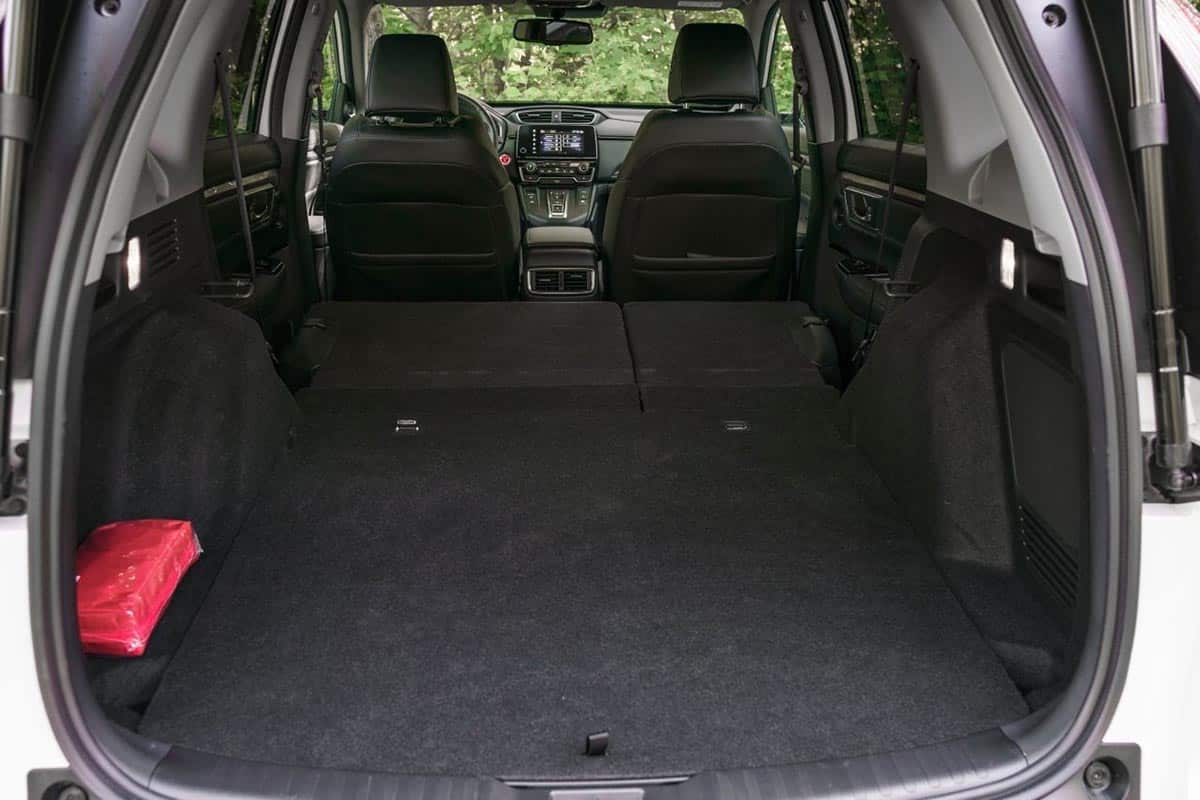
The ZR-V’s weak point lies in its cargo volume, announced at 13.4 cubic feet, significantly less than the segment average. For comparison, competitors offer over 17 cubic feet. This space can however be modulated thanks to a 60/40 folding bench, allowing for an almost flat floor once the rear seats are folded.
Another regret: the absence of the Magic Seats system, yet present on other Honda models like the HR-V or Fit, which allowed original and highly appreciated modularity. The ZR-V therefore relies on a more classic approach, certainly effective, but somewhat less innovative on the practicality side.
On the other hand, the cargo opening is wide, and the loading sill rather low for an SUV, which facilitates loading heavy or bulky objects. There are also several functional storage spaces on board (glove boxes, door pockets, spacious center armrest), well thought out for daily family use.
US Pricing, Offers and Competitiveness
The Honda ZR-V would be marketed in the US starting at approximately $41,750 in base trim. The offer would be structured in three trim levels:
- LX: already rich base equipment (camera, driving aids, 18-inch wheels)
- Sport: more dynamic ambiance, specific upholstery, exclusive styling details
- EX-L: top-of-the-line with power tailgate, premium audio system, heated seats, etc.
The top-of-the-line EX-L version, like the one tested, would peak at $54,010 before options. This is where it hurts: this pricing places it above a Toyota RAV4 Hybrid AWD, yet more spacious and benefiting from stronger brand recognition in the American market. At equivalent prices, some customers might prefer a plug-in model or even a well-equipped conventional engine.
Currently, Honda doesn’t offer particularly aggressive lease deals, and the absence of an all-wheel-drive version could also deter part of the buyers. However, the perceived quality, hybrid system reliability, and fuel efficiency could appeal to customers loyal to the brand or tired of overly complex offerings from certain competitors.
Bottom Line: Where the ZR-V Stands in the Market
Fundamentally, the Honda ZR-V checks almost all the boxes of a good family hybrid SUV: efficient powertrain, reassuring dynamic behavior, very well-calibrated comfort, and irreproachable build quality without frills. Its real Achilles’ heel is its price positioning, which puts it in direct competition with more spacious, better-equipped, or more electrified models.
However, the ZR-V deserves to be known. It embodies in its own way a form of automotive rationality, far from oversized screens or plug-in systems sometimes underutilized. It will suit those looking for a simple, efficient, and well-finished hybrid vehicle, without falling into the excesses of over-technology.
In summary, if the price doesn’t deter you, and you’re looking for a reliable, discreet, and versatile compact hybrid SUV, the Honda ZR-V is a solid alternative to established references. But it will still need to convince a demanding American public very sensitive to price/equipment ratio to hope for a breakthrough.

