
American brands continue to capitalize on the dominance of SUVs and pickups. But at Chevrolet, the urge to shake up the established codes transforms into a bold statement: the SSR, for Super Sport Roadster, arrives like a rolling UFO. An unlikely blend of pickup, retractable hardtop convertible, and retro styling inspired by the 1950s, this model is a radical departure from everything General Motors offered at the time.
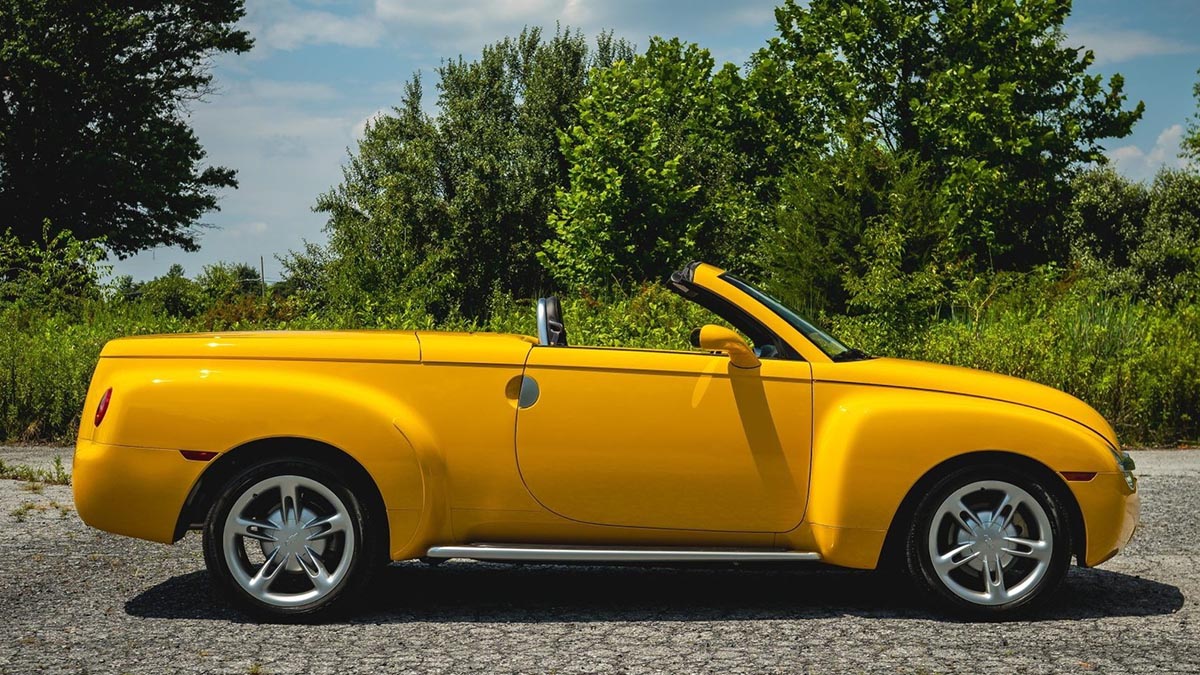
Yet despite its generous powertrains (V8s producing 305 then 395 hp) and limited production run, the SSR never managed to find its audience. Too expensive, too heavy, too difficult to categorize, it was discontinued after barely three years of production, leaving behind an image of failure.
But as often happens in the automotive world, failures become objects of fascination. Twenty years after its launch, the Chevrolet SSR is experiencing a renaissance in enthusiast discussions as one of the last great acts of automotive madness from American industry.
Chip shortage strikes again: Volkswagen Golf first victim of a crisis that promises to be brutal
A Bold Hybrid Concept: Roadster + Pickup + Retro Style
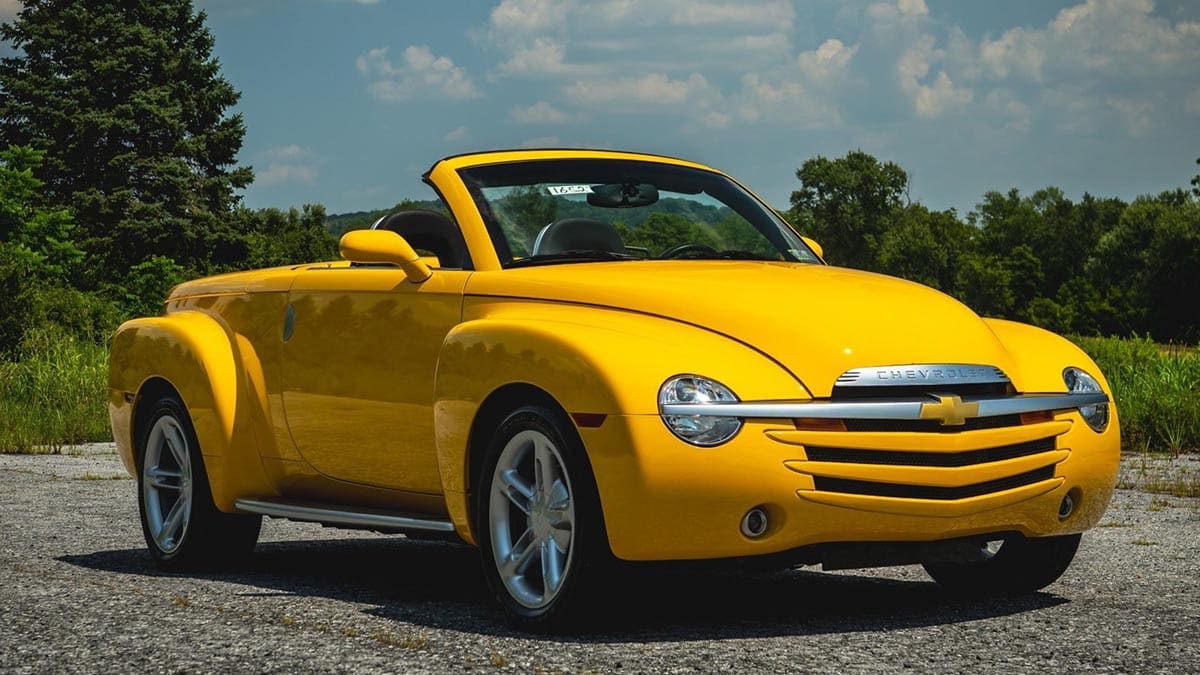
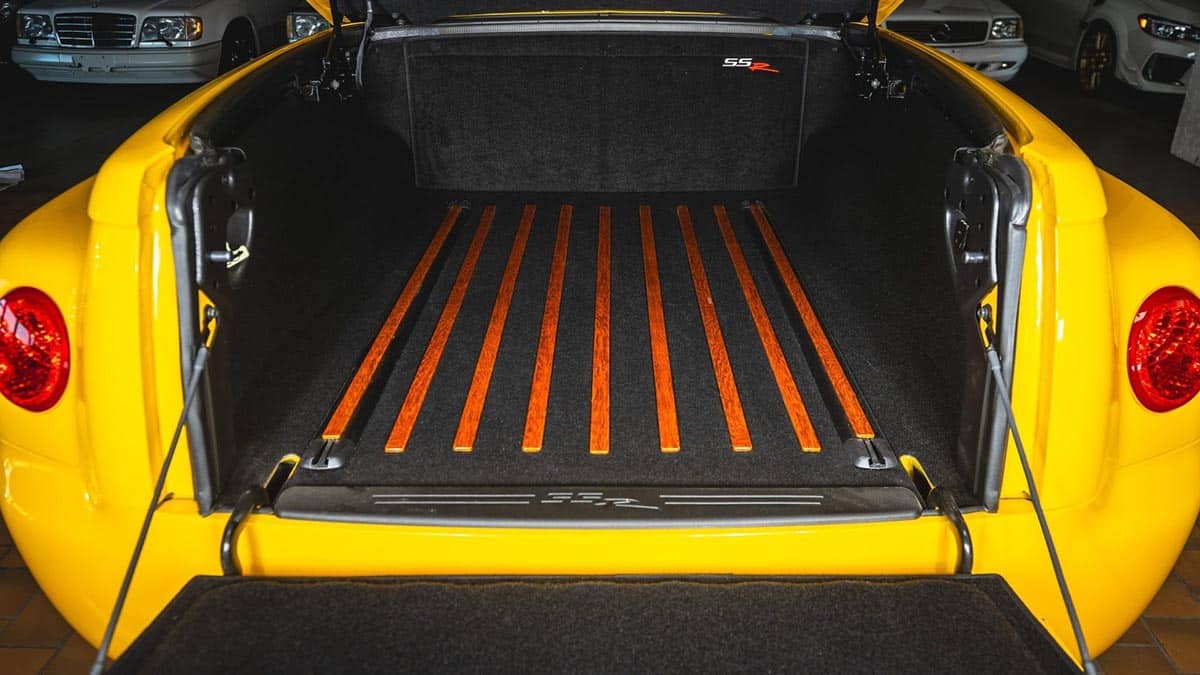
The Chevrolet SSR wasn’t born from a conventional brief. Presented as a concept in 2000, then produced starting in 2003, it blends several influences: the lines of 1940s-50s Chevrolet Advance Design pickups, a sculpted steel body, a bed covered by a rigid tonneau cover, and most notably an electrically retractable hardtop, borrowed from the luxury convertible universe.
With its diving nose, muscular fenders, and 20-inch wheels, the SSR looks like nothing else. It’s a true styling statement, committed through and through. The positioning is deliberately unconventional: a two-seat pickup for cruising with the wind in your hair, with the look of a show hot-rod. A caricature of American automotive excess, in essence.
A V8 for Cruising (and Consuming)
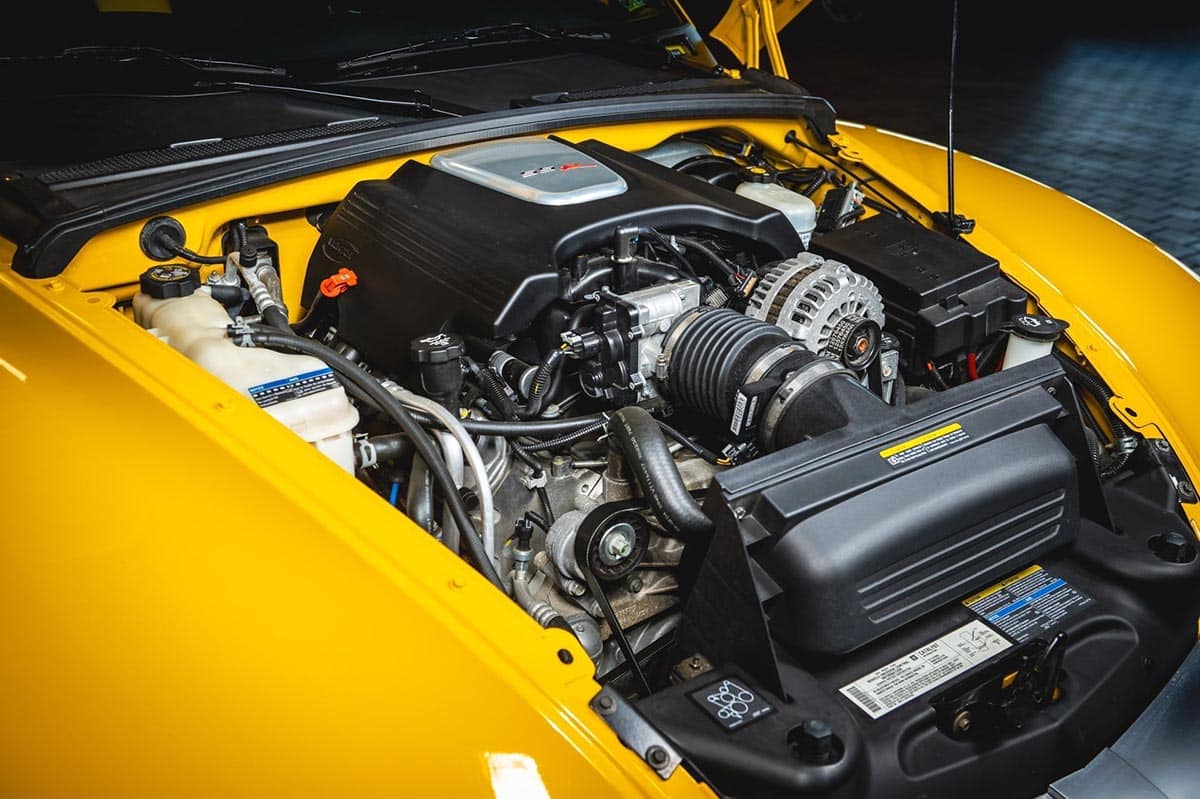
Under the hood, the SSR initially carried a 5.3L Vortec V8 producing 305 hp, mated to a 4-speed automatic transmission. Starting in 2005, it inherited the LS2 6.0L from the Corvette C6, developing 395 hp (400 hp with the 6-speed manual Tremec transmission). The 0-60 mph time dropped to 5.3 seconds, impressive for a machine weighing nearly 4,400 pounds.
Park in the sun and drive for free: the Nissan solution that makes gas obsolete
But this performance came at a cost: average fuel consumption of over 17 mpg, clumsy handling, questionable road manners, and fairly firm comfort. The chassis, derived from the Chevrolet Trailblazer, wasn’t built for sportiness despite rear-wheel drive.
However, the electric retractable hardtop system, engineered by Karmann, impressed with its smooth operation and weatherproofing. At the time, this was high-tech equipment for a pickup—and an undeniable differentiating factor.
A Predictable Failure: Too Much Style, Not Enough Sense
Despite its impressive spec sheet and originality, the Chevrolet SSR was a commercial bomb. Produced between 2003 and 2006, only 24,150 units were sold, well below GM’s expectations. Why this failure?
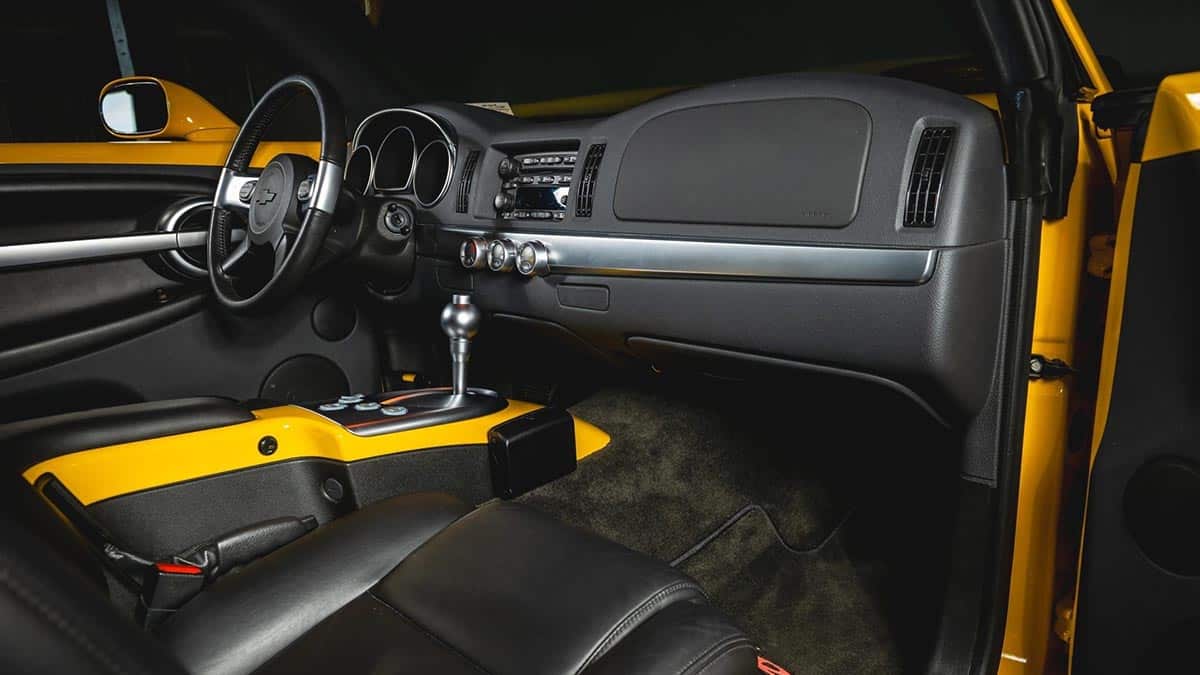
First, its high base price (nearly $43,000 at the time) positioned it poorly against sports cars or conventional pickups that were more practical. Second, its bed was unusable beyond aesthetics, interior space was limited, and the SSR didn’t fit into any clear category: neither sports car, nor utility vehicle, nor family convertible.
Finally, timing worked against it: by 2005, sales of eccentric vehicles were declining, and the emerging economic crisis made buyers cautious. Chevrolet cut its losses, and the model disappeared into relative anonymity.
A Cult Object for Enlightened Enthusiasts
Today, the SSR is sought after for what it has become: a symbol of audacity, a car that no one dared to copy. On the used market, it trades for $38,500 to $60,500 depending on mileage and condition, often imported from overseas.
In the United States, it remains uncommon, but examples exist. Some can be seen at American car shows, where they immediately draw attention. Its caricatured design, rough V8, and retractable convertible top give it a personality all its own. As a collectible, it has found its audience: those who prefer unapologetic excess to bland rationality.

