
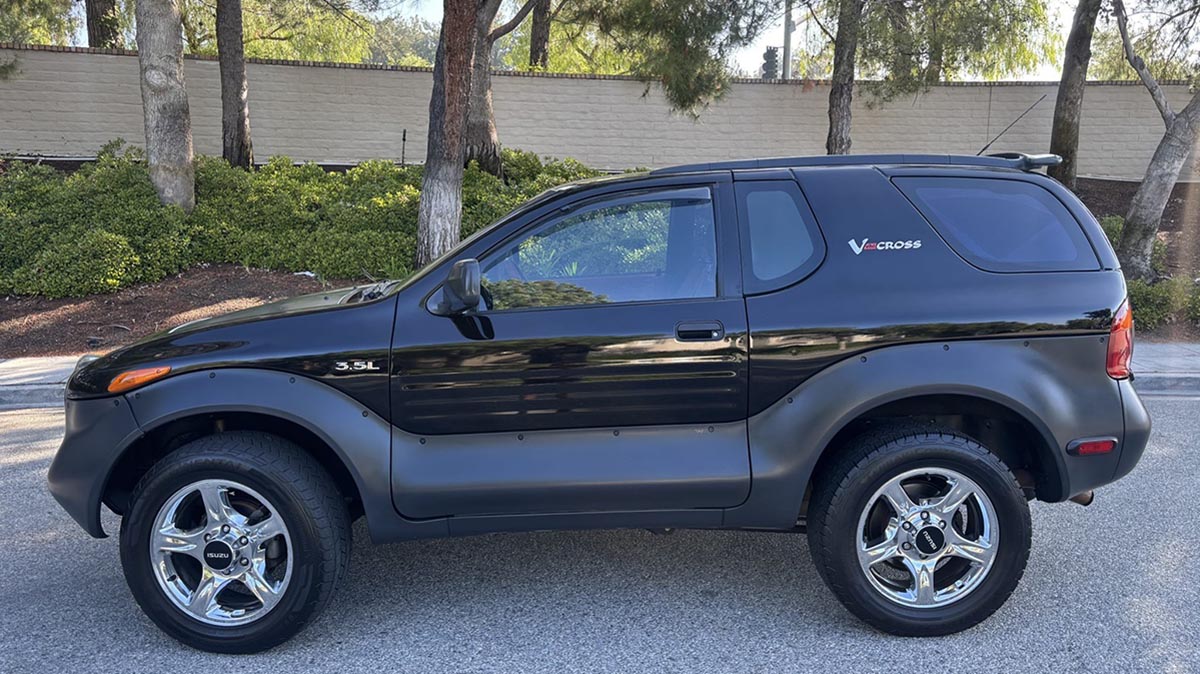
In the late 1990s, the automotive industry wasn’t ready for an SUV like the Isuzu VehiCROSS. Compact, muscular, bold, and above all very far from the styling standards of the era, this 3-door model with the face of a cyberpunk off-roader left a mark on minds… but not on sales. Conceived as a rolling laboratory of Isuzu’s know-how in compact sport 4×4s, the VehiCROSS never really found its place in the market, except in the hearts of a handful of enthusiasts.
Produced between 1997 and 2001, this strange machine had everything going for it outside the classroom: shortened Trooper platform, robust V6 engine, Torque on Demand all-wheel drive, and molded body with composite panels, all in a deliberately divisive silhouette. Too extreme? Maybe. Too ahead of its time? Most certainly.
An unexpected renaissance in the digital age
More than two decades later, the Isuzu VehiCROSS is making a remarkable comeback… on YouTube and social media. Spectacular restorations, extreme off-road projects, or simply retro fascination: the UFO of the 90s is gradually becoming a cult object. With fewer than 6,000 units produced worldwide, each example is now sought after, restored, and admired.
While the trend is neo-retro and brands are resurrecting forgotten icons, the VehiCROSS could well embody a perfect candidate for an electric comeback, or at least inspire a generation of designers lacking in boldness.
Isuzu VehiCROSS: the off-road UFO that was ahead of its time
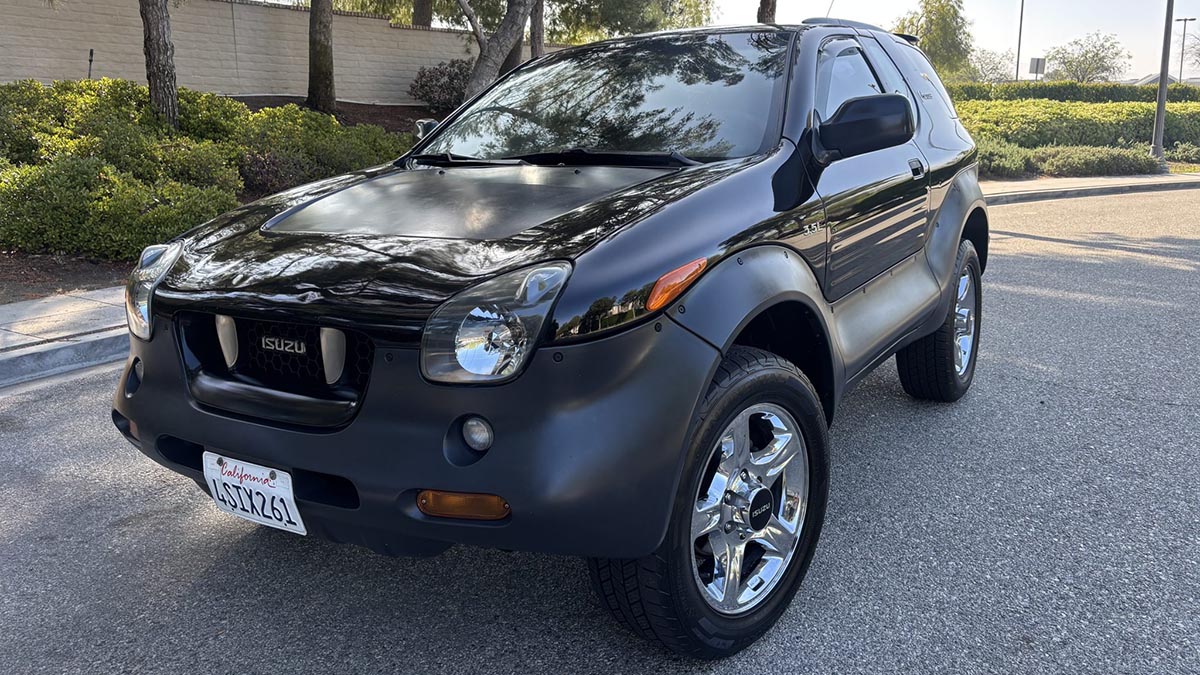
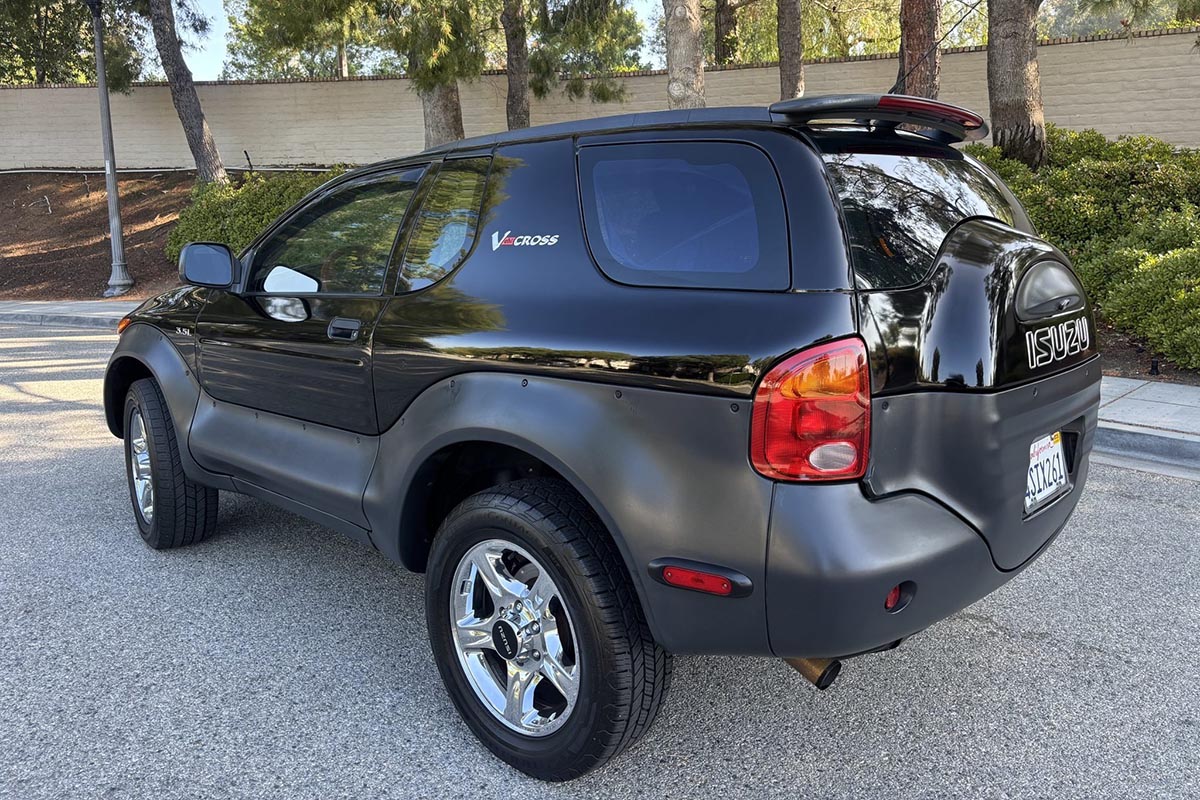
Launched in 1997, the Isuzu VehiCROSS wasn’t like other SUVs. Initially conceived as a futuristic concept car, it was put into production almost identically, a bold bet for a rather conservative manufacturer. Result: a 3-door SUV with aggressive looks, muscular silhouette and totally unconventional design, even by the standards of the time.
With its black plastic moldings, injection-molded two-tone body, prominent fenders and vertical tailgate, the VehiCROSS adopted an avant-garde style… or too off-beat. It was produced first for Japan (1997), then for the United States (1999 to 2001), totaling barely 5,958 examples worldwide. While its career was brief, its originality remains etched in the memory of those who encountered it.
Bold design and unprecedented technical innovations
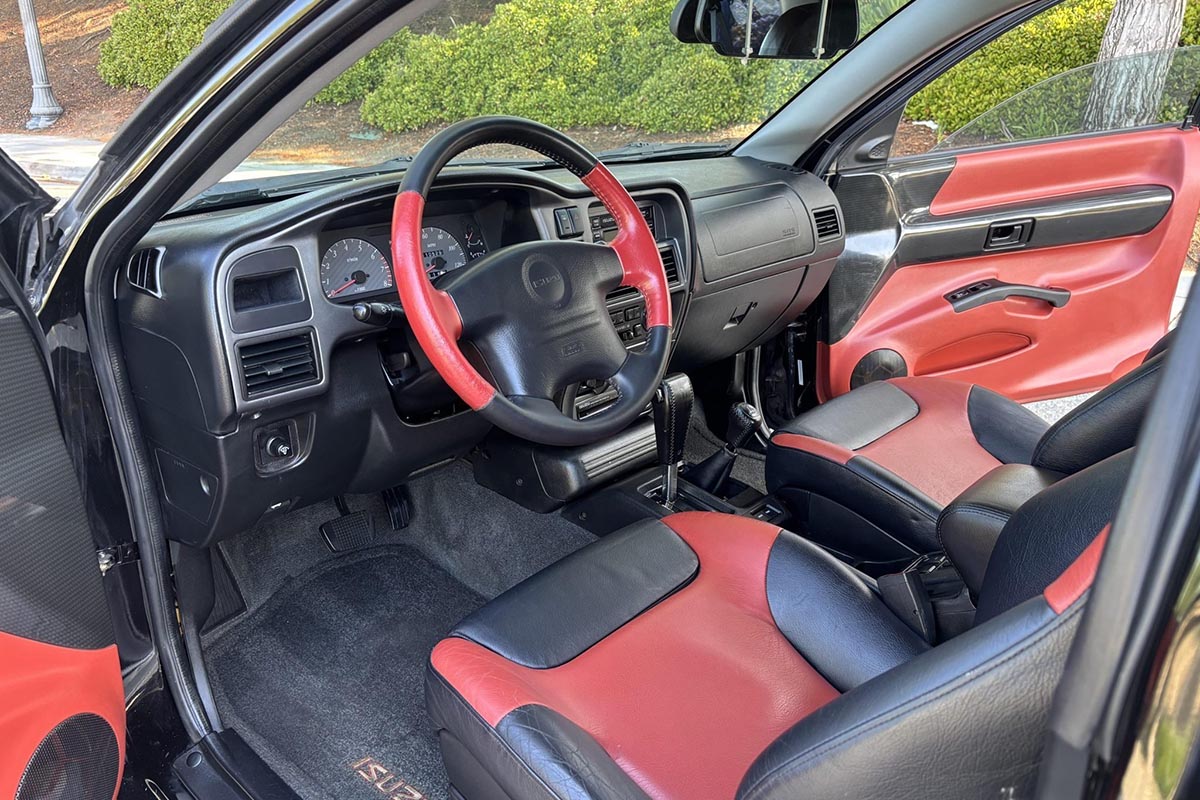
Beyond its unique appearance, the VehiCROSS surprised with its bold technical solutions. It was one of the first vehicles to integrate the Torque on Demand (TOD) system developed with BorgWarner. This device automatically distributed torque between axles in real time, offering intelligent traction without driver intervention.
Chassis-wise, the VehiCROSS was based on the shortened Trooper platform, but with double wishbone suspension front and rigid axle rear, ideal configuration for off-road use. It also offered fluid-regulated pressure shock absorbers, derived from rally, rare in the category. In short, the style wasn’t there to mask a hollow spec sheet: the VehiCROSS was a real 4×4, performing, robust and innovative.
A muscular V6 for a true compact 4×4
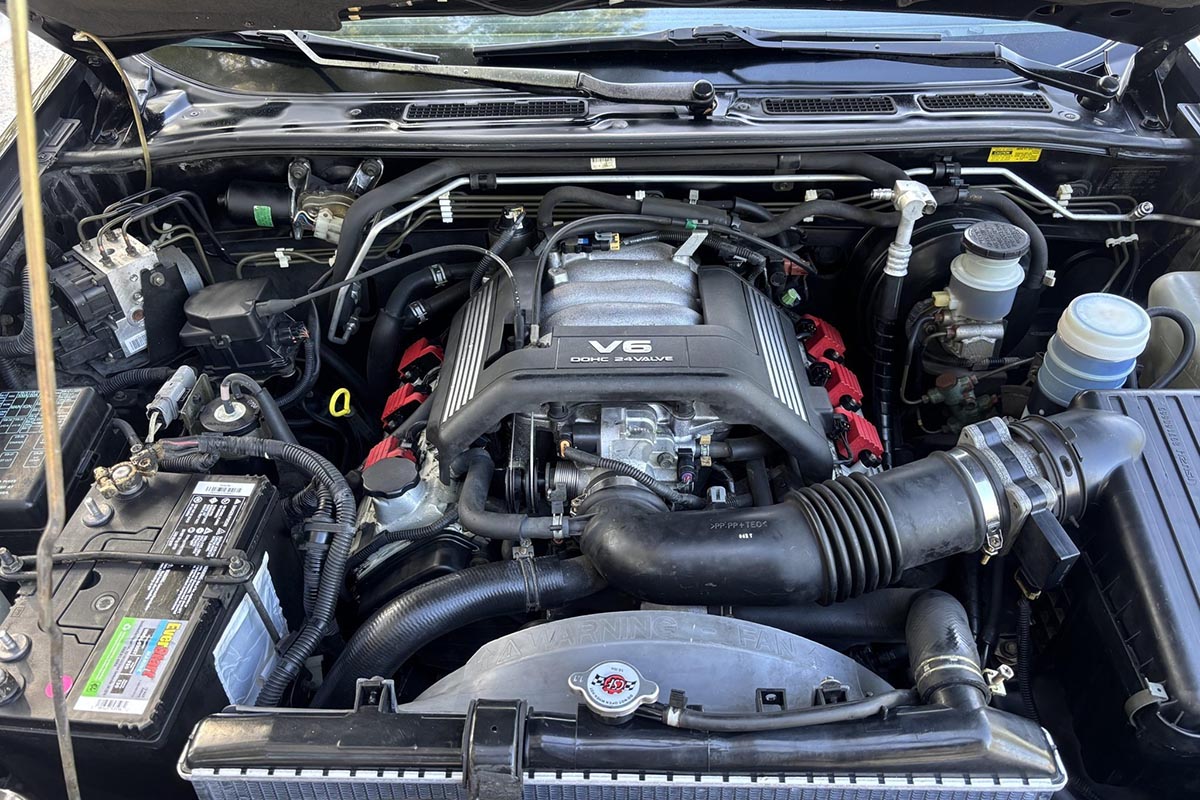
Under its short and wide hood, the Isuzu VehiCROSS packed a 3.5-liter naturally aspirated V6, developing 215 horsepower and mated to a 4-speed automatic transmission. This GM-sourced engine allowed the SUV to display very decent performance for its size, with 0-60 mph acceleration in under 9 seconds. But again, it’s off-road where the VehiCROSS really impressed.
The economic response to SUVs: this ZERO-labeled model costs $5,500 less than the Toyota Corolla
Thanks to its generous ground clearance, intelligent all-wheel drive and approach angles worthy of true off-roaders, it could tackle very rough terrain. It wasn’t uncommon to see it competing in extreme off-road events in the United States, where some tuners turned it into an ultra-modified competition 4×4.
In summary: a compact SUV, but a true trail-crawler, capable of rivaling icons like the Wrangler or Montero of the era, with an extra touch of radicalism.
From commercial failure to cult icon for enthusiasts
Why was such a vehicle a commercial failure? The VehiCROSS’s highly polarizing style probably put off customers more accustomed to the consensual forms of RAV4s or CR-Vs. Its relatively high price, low practicality (3 doors, barely accessible cargo area) and unclear positioning didn’t help. Result: production stopped in 2001, after only four years.
But what was a handicap at the time has become an asset 20 years later. The VehiCROSS is now sought after, collected, sometimes modified. Restoration and build videos circulate on YouTube, helping to revive interest in this model that became cult despite itself.
In an increasingly uniform automotive world, the VehiCROSS stands as a retro-futuristic icon. It symbolizes an era when some manufacturers still dared to experiment. And while Isuzu hasn’t (yet) announced its return, many dream of seeing it reborn, perhaps in electric form faithful to its pioneering spirit.

