
Launched in 1980, the Fiat Panda has become an icon of simple, practical, and economical motoring. For its 2026 model year, the Italian city car isn’t looking to revolutionize the formula: it retains its compact dimensions, its agile urban footprint, and a pragmatic approach to automotive design. It’s produced in Pomigliano d’Arco, Italy, and remains one of the few small cars still manufactured in Europe.
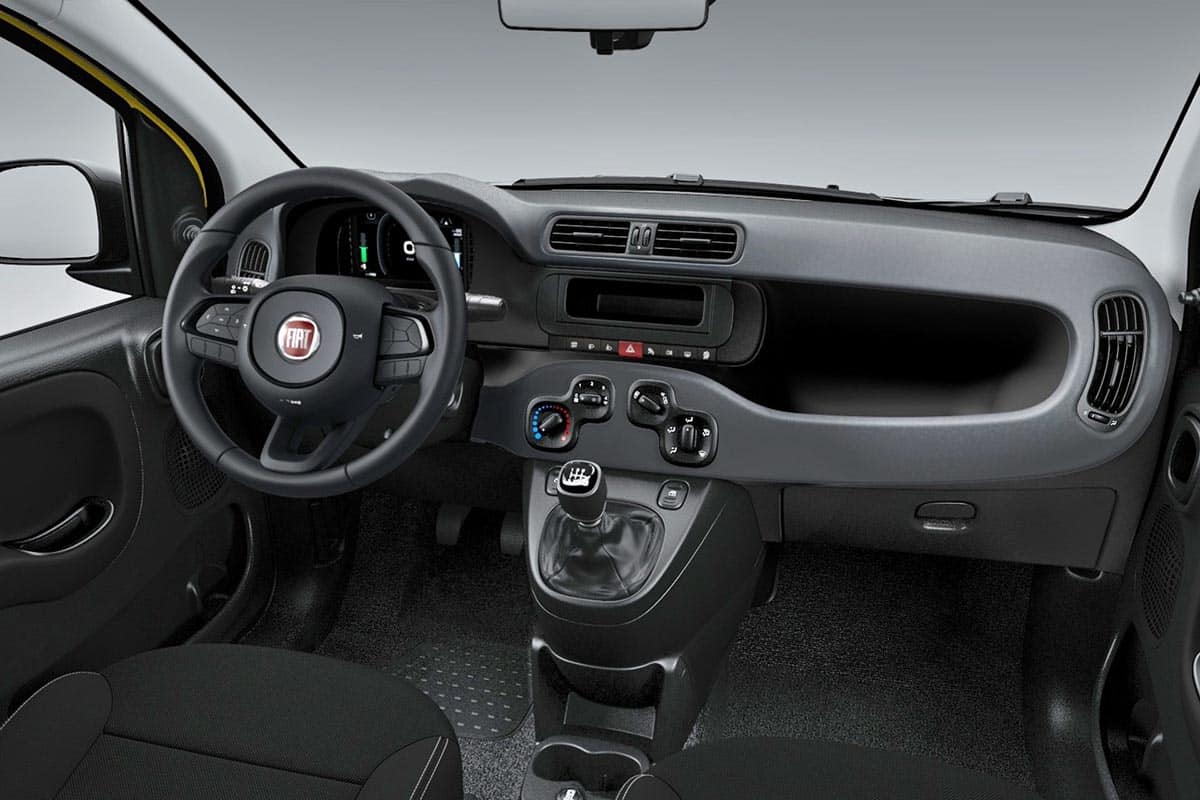
Aesthetically, the 2026 Panda evolves with subtle touches, including new exterior colors, redesigned wheels, and some interior improvements. The cabin presentation remains functional, with simple instrumentation, a central screen on certain trim levels, and physical controls—going against the grain of excessive digitalization found in some competitors.
Despite many rivals moving upmarket, the Panda stays true to its positioning: a minimalist urban car that’s practical, not spartan, capable of handling daily commutes with efficiency. It’s a recipe that continues to appeal to both individual buyers and fleet customers seeking reliability and low operating costs.
US Lineup Starting at $17,490
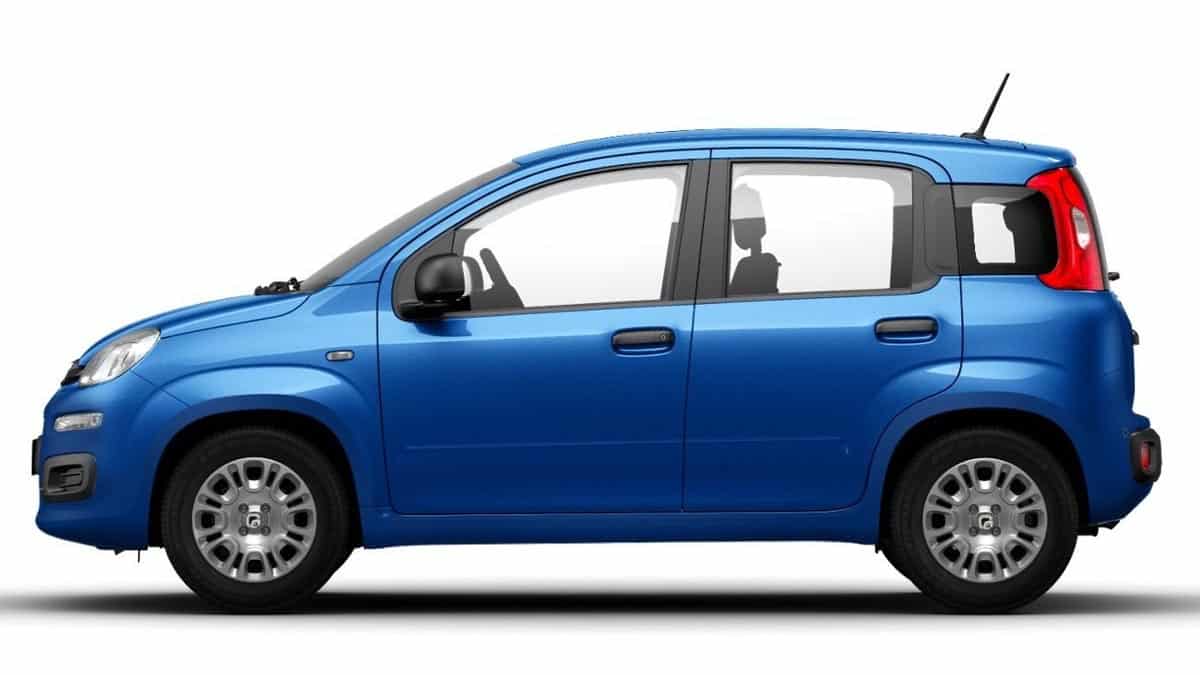
In the United States, the 2026 Fiat Panda is available starting at $17,490, in a version equipped with a mild-hybrid gasoline engine. At this price point, the “City” model offers the essentials: manual air conditioning, power front windows, hill start assist, and automatic emergency braking (AEB). The “City” power steering also remains a strong selling point for urban driving.
Two other trim levels complete the lineup:
- Panda Style: adds contrasting exterior elements, leather-wrapped steering wheel, digital radio with Bluetooth connectivity
- Panda Cross: rugged appearance, body cladding, specific wheels, mixed upholstery, and sometimes fog lights
These versions top out around $19,250 to $20,350 before options. Equipment remains simple but well-targeted for daily use. Far from giant screens or connected gadgets, the Panda focuses on reliability and ease of maintenance, helping keep it within a reasonable budget for both purchase price and insurance costs.
Light Mild-Hybrid System and Efficient Engine
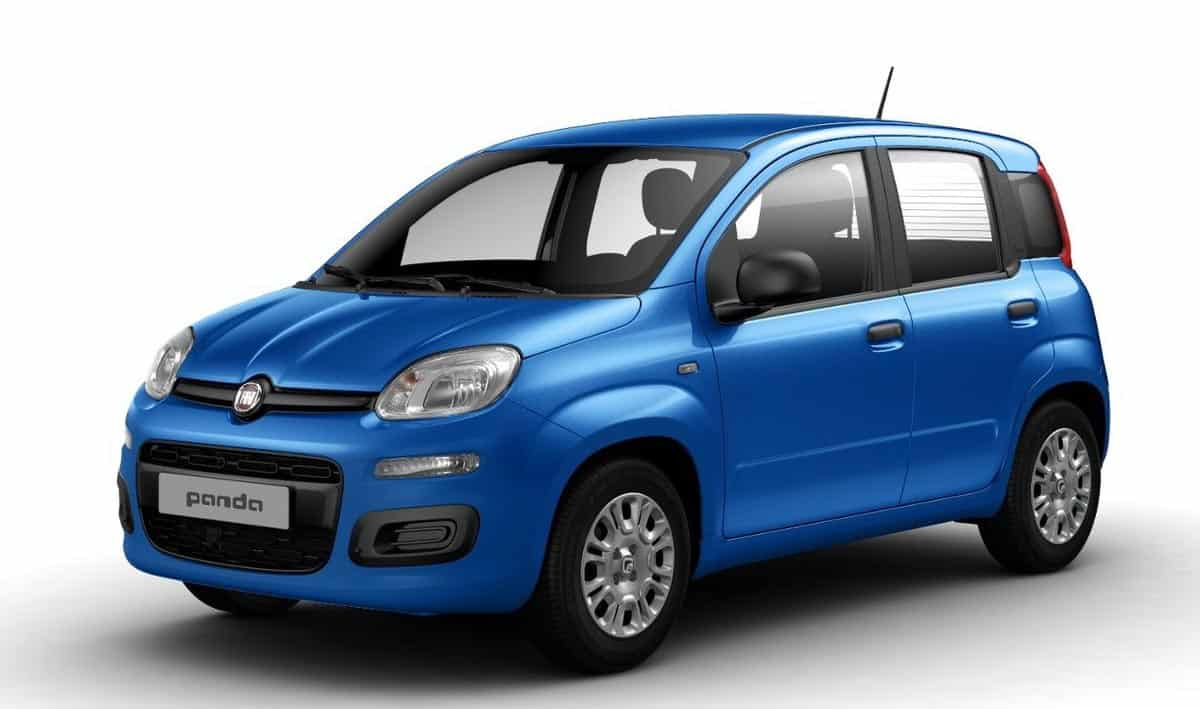
Under the hood, the 2026 Panda remains faithful to the small FireFly 1.0 BSG 70 hp engine, coupled with a 12V mild-hybrid system. This isn’t a full hybrid setup, but rather occasional electric assistance that helps slightly reduce fuel consumption (around 45 mpg in combined EPA cycle) and CO₂ emissions (approximately 104 g/km).
The modest power output doesn’t make it a highway cruiser, but it proves sufficient for urban and suburban driving, where it’s most at home. The 6-speed manual transmission remains smooth and well-geared to optimize the modest mechanical resources.
Europe Backtracks on Electric: “People Aren’t Ready for Only Battery Vehicles by 2035”
Unlike other electric or hybrid city cars that cost more, the Panda chooses simple, proven, economical technology without complexity for maintenance. This is a key argument for drivers wanting to avoid technical surcharges related to advanced electrification.
Direct Rival to Small American Models
In the US market, the 2026 Fiat Panda must compete with models like:
- Nissan Versa (starting around $16,680, but larger and less urban-focused)
- Mitsubishi Mirage (starting at $15,295, but less refined overall)
- Chevrolet Spark (discontinued but still available as used option)
Against these, the Panda plays the urban efficiency card, with a genuine mild-hybrid powertrain and competitive pricing, especially in City trim. Its European engineering and perceived reliability also help maintain good resale value, which isn’t always the case with some budget models.
Where the Panda falls slightly short is in modularity (no sliding rear seat, only 8 cubic feet of cargo space) and onboard technology, especially in base trim. But in an inflationary context, its price-to-equipment balance remains relevant.
An Urban Solution Still Relevant in 2026
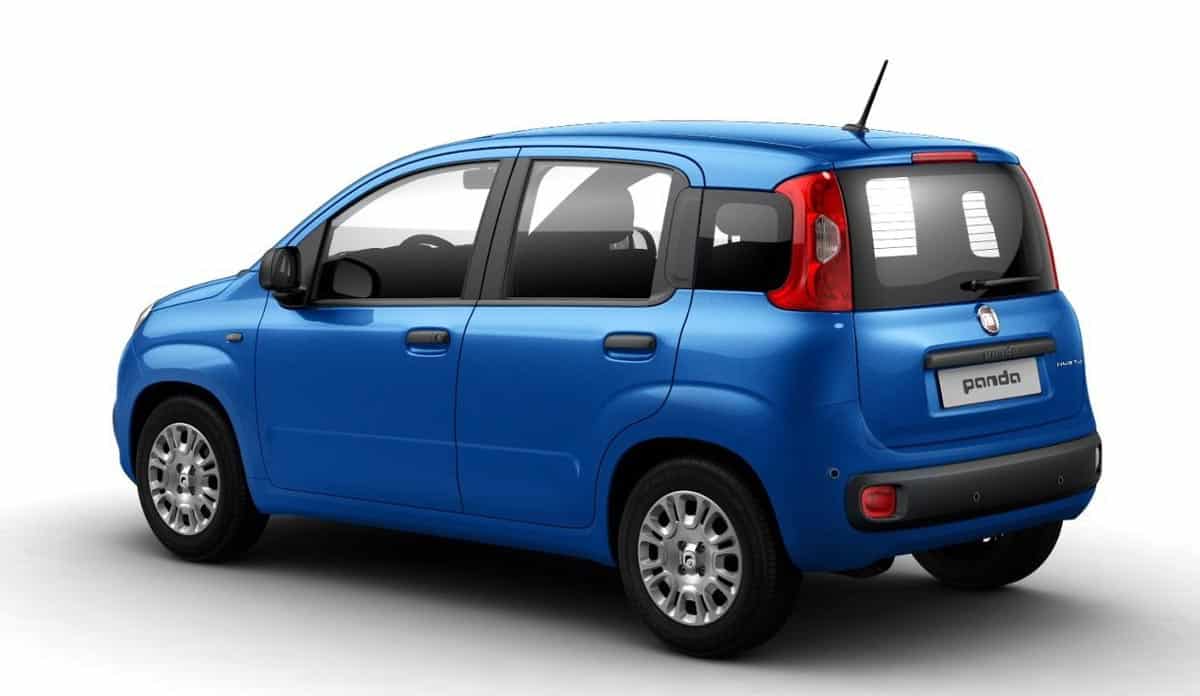
While many affordable city cars are disappearing or being forced into electrification, the 2026 Fiat Panda persists with a simple, clear, and effective offering. It doesn’t try to compete with the Honda Civic or Nissan Sentra, but targets customers seeking accessible, sustainable mobility without over-equipment.
Fiat could capitalize on this often-overlooked niche to strengthen its US presence, where the Panda maintains a positive image among seniors, new drivers, and professionals. Especially since with its short format and tight turning radius, it remains one of the most maneuverable in its class.
Facing the extinction of economical small gas engines, the Panda could well become, in its own way, the last representative of an old-school urban car… and proudly European.

