
It’s a name we thought was permanently relegated to the museum of defunct brands. Yet, Santana Motors is making a triumphant return, not solo, but thanks to an unexpected alliance with Chinese giant BAIC, one of Asia’s largest automotive manufacturers. This renaissance involves the revival of the historic Linares factory in Andalusia, which hadn’t produced a single vehicle since 2011. A powerful symbol, both industrial and economic, that reflects a clear intention: bringing production closer to European markets while circumventing trade barriers.
The strategic agreement signed between Santana and BAIC goes well beyond a simple transfer of expertise. It involves Semi Knocked Down (SKD) vehicle assembly at the rehabilitated Linares facilities, with a range of SUVs and pickup trucks specifically designed for Europe. The project includes launching five new models, intended to cover several off-road market segments, with a stated ambition: directly competing with imports from China, penalized by increasingly heavy tariffs.
Beyond the economic aspect, an industrial chapter is being rewritten. Because this factory, emblematic in Spanish automotive history, suddenly becomes the heart of a major Sino-European partnership, positioning Spain as a strategic platform for BAIC vehicle production on the continent. And in a context where industrial reshoring is more than ever at the heart of European debates, the operation seems tailor-made to combine geopolitical interests, commercial profitability, and regional revitalization.
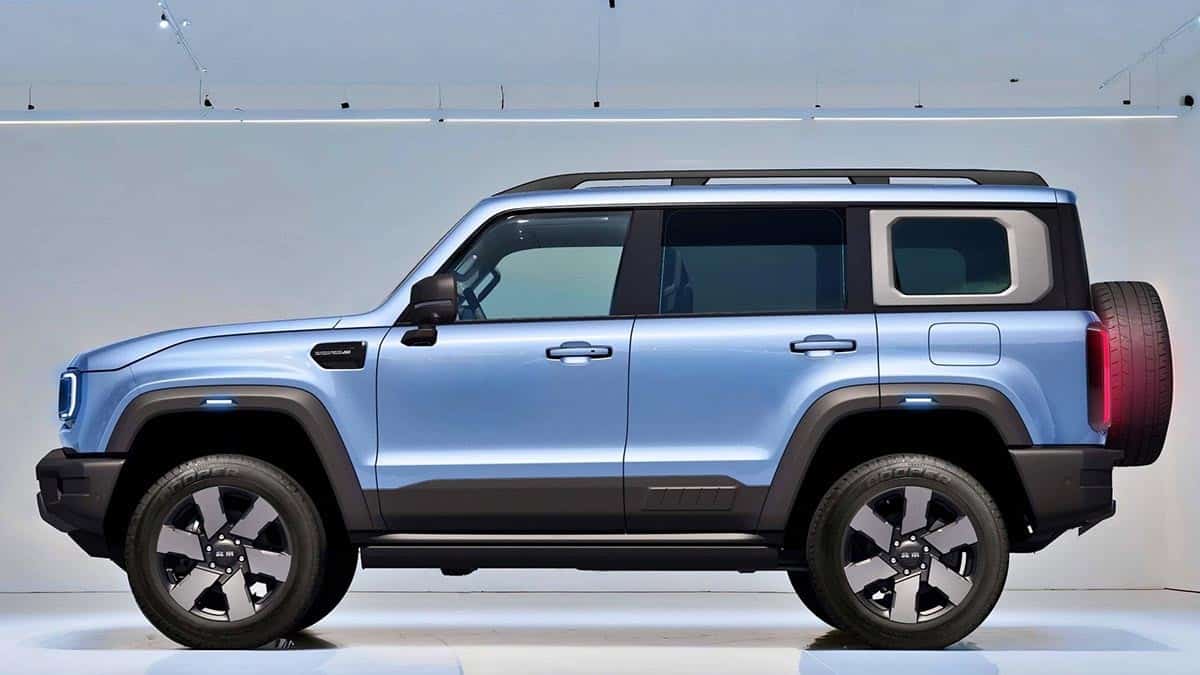
A Major Industrial Partnership Between BAIC and Santana Motors
The news may come as a surprise: Santana Motors, the Spanish brand that fell into oblivion over a decade ago, is coming back to life through a strategic alliance with BAIC (Beijing Automotive Industry Holding Co.), China’s fifth-largest automaker. The partnership, formalized in late 2025, involves close industrial cooperation, with a clear objective: locally producing SUVs, 4×4s, and pickup trucks for the European market.
BAIC, which already markets light commercial vehicles and SUVs in several Asian and African markets, takes a decisive step here. The company will benefit from Santana’s local expertise and historic industrial roots. But most importantly, it secures a strategic gateway to Europe, at a time when commercial tensions between Brussels and Beijing complicate direct imports.
For Santana Motors, the stakes are equally crucial. The company, dormant since its site closure in 2011, signs a form of industrial resurrection, with relaunched activity, reactivated expertise, and a driving role in a new value chain centered on Europe.
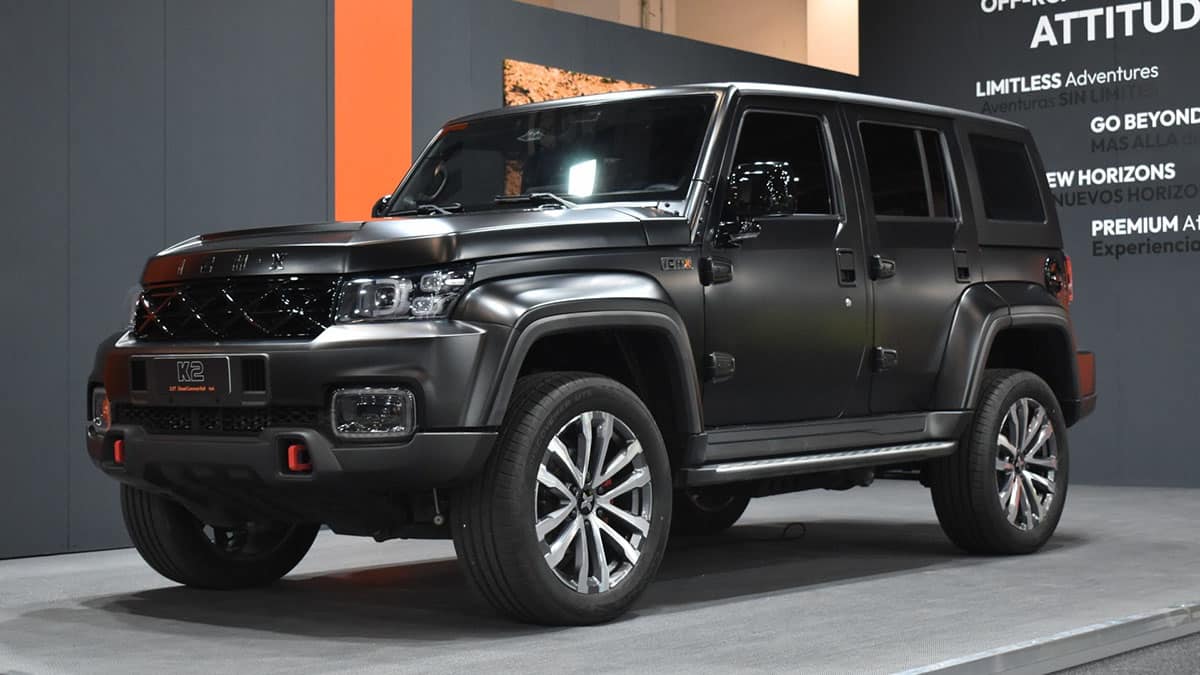
The Renaissance of the Santana Factory in Linares
Long abandoned, the Linares factory in Jaén province (Andalusia) finds unexpected new life. Rebranded as Santana Factory, it becomes a full production site again thanks to this partnership. Activity restarts in the form of SKD (Semi Knocked Down) assembly, a method consisting of locally assembling vehicles largely prefabricated in China.
From the first months of 2026, the factory should reach a pace of 5,000 units per year, with the possibility to scale up according to demand. The initial investment upgraded infrastructure and reintegrated a first wave of skilled workers, some of whom are former Santana employees.
But this revival goes beyond simple production: it comes with a local ripple effect. Several parts suppliers and regional subcontractors could be called upon to support the development of this new activity. In a region severely affected by industrial unemployment, the site reopening represents a major opportunity for economic revitalization.
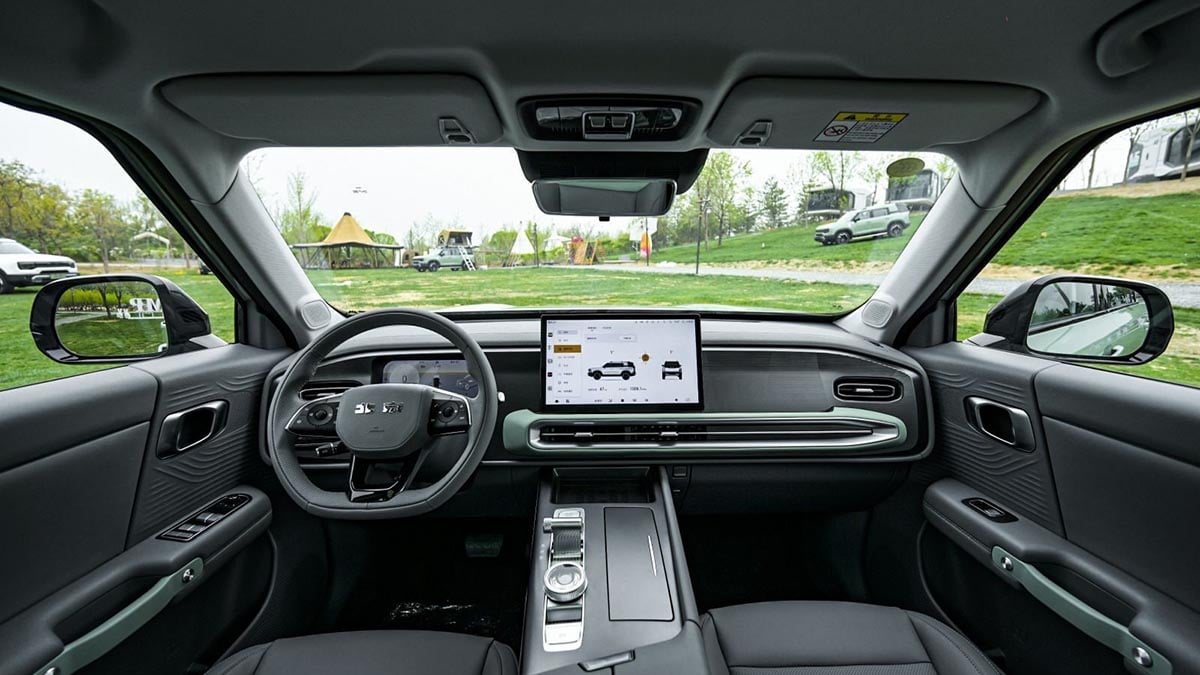
A Vehicle Range Designed for Europe
BAIC and Santana aren’t content with just restarting production: they aim to build a complete range, adapted to European market requirements. By 2026, five new models should roll off the Andalusian assembly line: three SUVs (compact, mid-size, and full-size), one pickup truck, and one more rugged 4×4.
These vehicles will be based on technical platforms from the BAIC portfolio, but will be designed, adapted, and partially localized to meet European standards (safety, emissions, equipment). Local assembly will allow these models to avoid tariffs currently applied to vehicles imported directly from China, a decisive lever for remaining price-competitive.
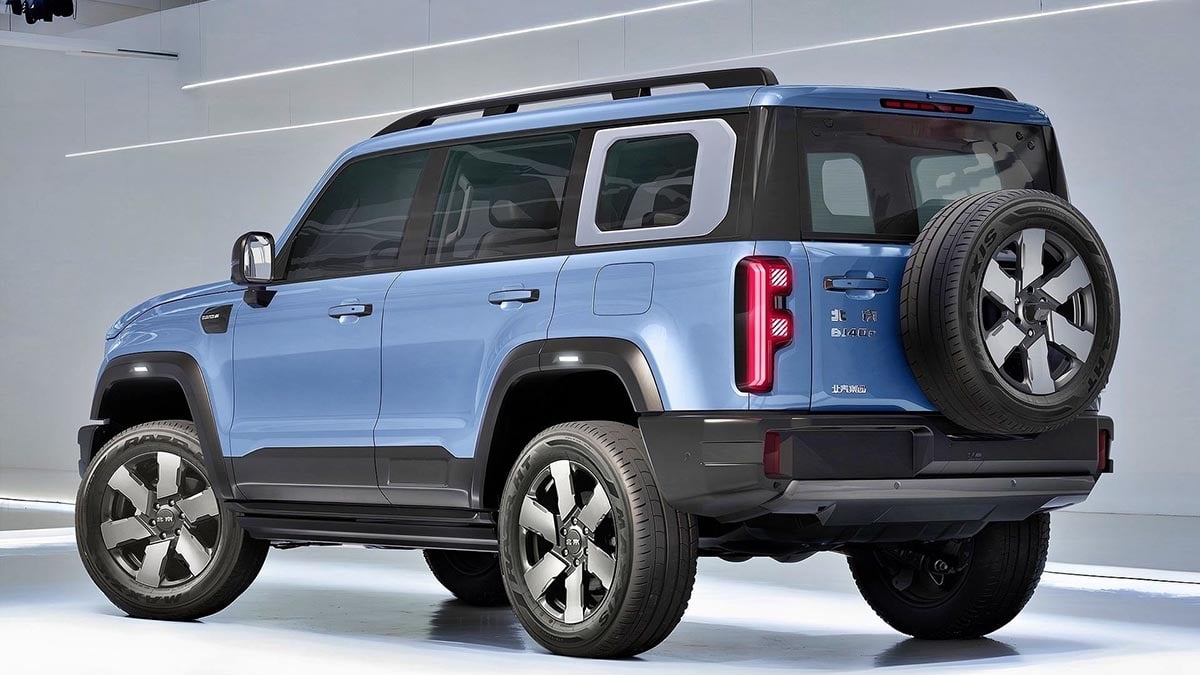
One of the expected models could be derived from the BAIC BJ40, a rugged-looking 4×4, potential competitor to the Suzuki Jimny or Jeep Wrangler. Other SUVs, with more family-oriented styling, will target a broad audience, with powertrains likely gasoline or hybrid initially. To date, no fully electric model has been confirmed, but the Linares factory plans future adaptations according to European market evolution.
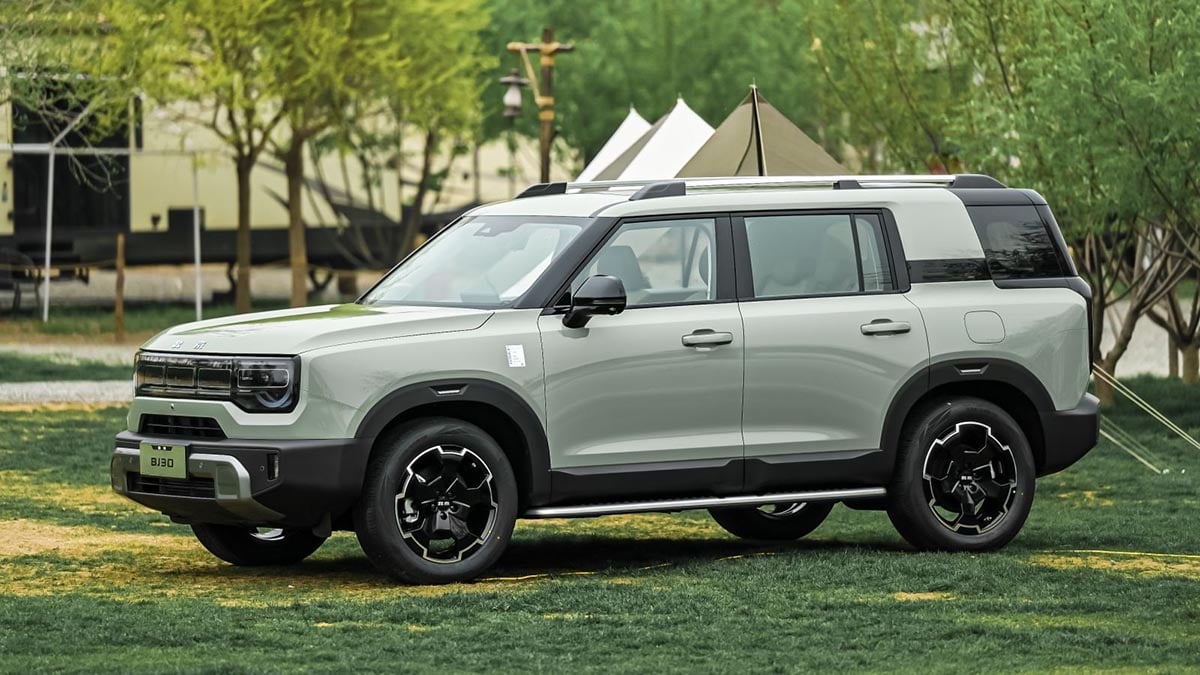
Market Prospects in the US and Europe
BAIC and Santana’s strategy rests on a smart positioning: offering rugged, well-equipped vehicles at accessible prices, while avoiding customs surcharges and improving their image through European production. A formula that has already proven successful for other brands like MG or DR Automobiles.
Success of this strategy will depend on several factors: creating a solid distribution network, compliance with European regulations, and the ability to offer warranties and after-sales service at the level expected by consumers. While initially focused on Europe, the arrival of these models in the US market could be envisioned for late 2026, at starting prices estimated around $26,400 to $33,000, depending on versions.
It remains to be seen if American consumers, traditionally cautious about emerging brands, will be convinced. But with production in Spain, a historic European brand, and competitive pricing, BAIC and Santana’s bet isn’t without merit.
A Strategic Challenge for the Global Auto Industry
The reactivation of the Santana Factory doesn’t represent just an isolated case. It fits into a broader trend of industrial reshoring, regionalized production, and supply chain diversification. By establishing a European base, BAIC anticipates geopolitical and regulatory developments that could restrict European market access to local production only.
For Spain, and more broadly for the global automotive industry, this project constitutes a full-scale test: the ability to become an automotive assembly hub again without relying solely on traditional Western groups. The arrival of Chinese players on European soil, through partnerships like this one, could well reshape the automotive landscape by 2030.

