
In June 2022, the European Parliament adopted a strong measure: the ban on sales of new combustion engine cars starting in 2035. This decision, emblematic of the European Green Deal, aimed to make the continent a global leader in ecological transition by forcing complete electrification of the vehicle fleet. The stated objective: achieving carbon neutrality by 2050.
But three years later, this ambition faces major obstacles. Rising production costs, insufficient charging infrastructure in many countries, fragility of industrial supply chains, and slowing electric vehicle sales in certain markets are calling into question the realism of this timeline. The transition, conceived at the EU level, clashes with much more contrasted national realities.
For several member states, this 2035 target becomes difficult to maintain without causing social, economic, and industrial upheaval. The desire to eliminate all combustion technology, including the most advanced hybrids, is deemed premature. Result: a resistance front is forming — and intends to make Brussels bend.
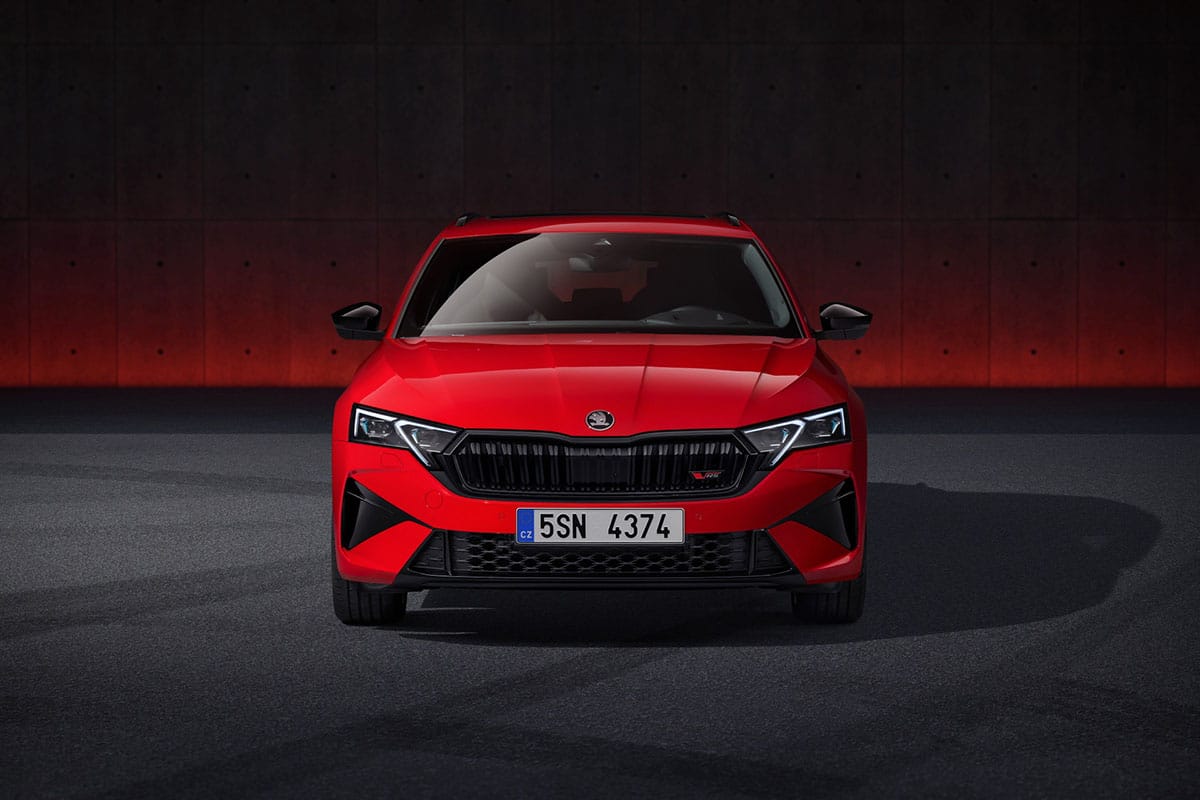
A challenge led by six countries in Eastern and Southern Europe
The initiative comes from six governments: Italy, Hungary, Poland, Czech Republic, Bulgaria, and Slovakia. Through a letter addressed to the European Commission, these states have requested a complete overhaul of the 2035 regulations. According to them, the project to ban all new combustion engine sales, even plug-in hybrids, risks creating an “industrial wasteland” in several regions already in difficulty.
Their demand is clear: more technological flexibility. They advocate for a scenario where plug-in hybrids, synthetic fuel vehicles, biofuels, or range extenders (like onboard micro-generator thermal systems) could continue to be marketed. In their view, the choice of 100% electric imposed uniformly would be counterproductive.
This rebellion also reflects a geographical divide within the EU. These countries, often less advanced in charging infrastructure or more dependent on traditional combustion industry, fear that the transition will mainly benefit the best-equipped states. They demand a differentiated trajectory, taking into account each country’s economic and industrial capacities.
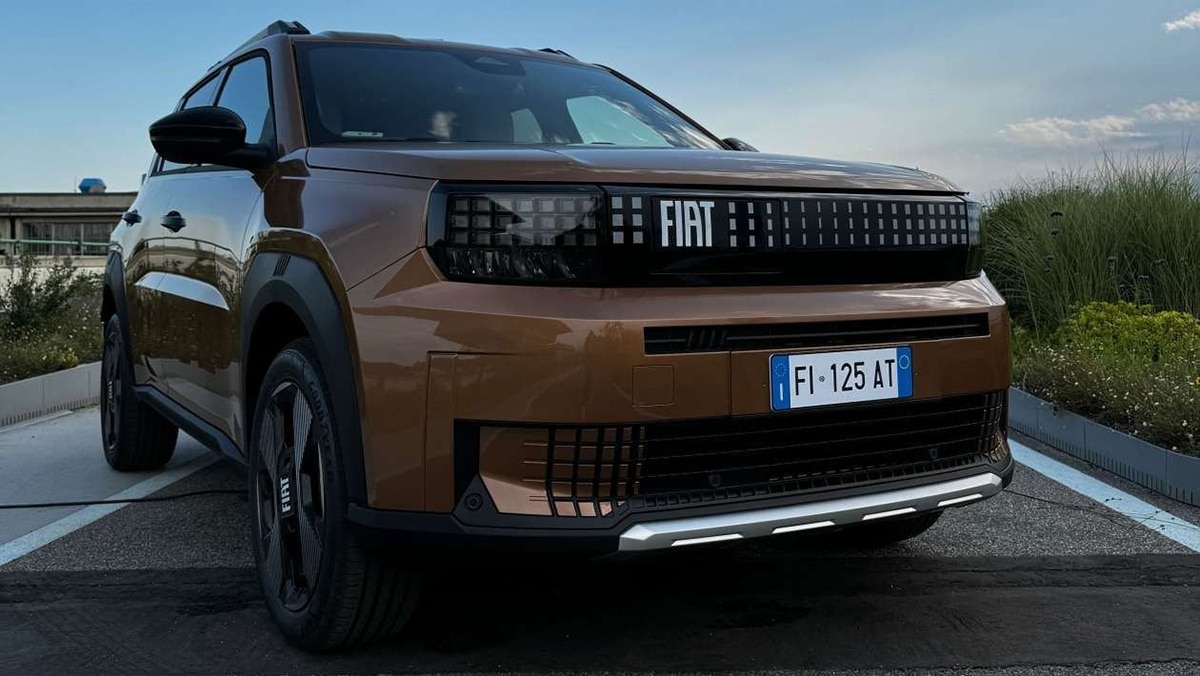
Brussels listening: toward a possible timeline relaxation
Faced with this coordinated challenge, the European Commission is beginning to soften its stance. The Commissioner for Industry, along with several European political leaders, have admitted that “technological flexibility must be part of the solution”. While the carbon neutrality goal is not being questioned, the means to achieve it could be reevaluated.
Alternative scenarios are being studied: limited maintenance of plug-in hybrids, broader integration of certified carbon-neutral synthetic fuels, or supervised development of next-generation hybrid technologies. A first breach had already been opened in 2023, under pressure from Germany, with the exception granted to e-fuels for combustion cars after 2035.
This change in tone also reflects rising political uncertainties. With European elections approaching, several governments fear a negative reaction from voters to a timeline perceived as brutal, costly, and imposed from above. The Commission, which wants to preserve its climate ambition, now seems ready to negotiate more flexible implementation terms.
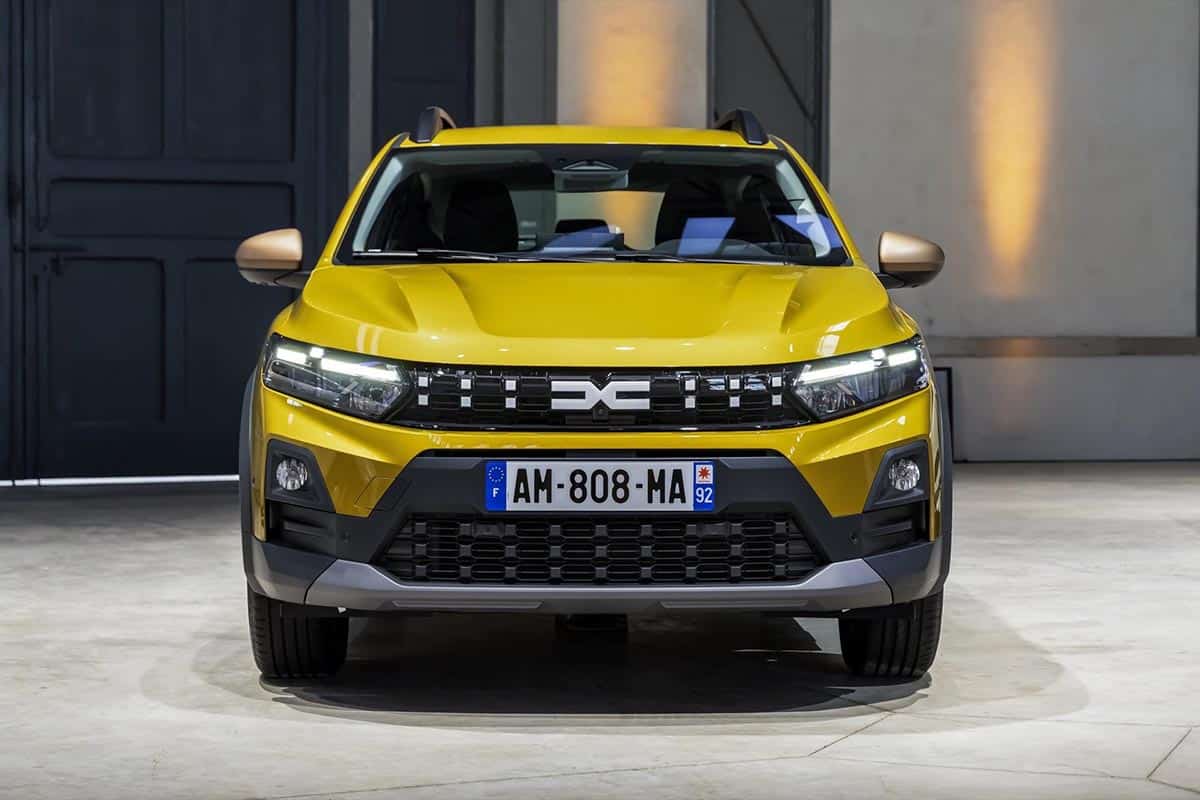
A more uncertain automotive future, but perhaps more realistic
If the initial trajectory toward all-electric by 2035 is relaxed, the European automotive landscape could transform differently than automakers had anticipated. Instead of a straight line to zero emissions, we would move toward prolonged coexistence of multiple technologies: electric motors, plug-in hybrids, combustion engines compatible with synthetic fuels…
For automakers, this scenario brings both relief and complexity. On one hand, it would allow them to amortize their combustion platforms longer, spread their investments, and offer more diversified options according to markets. But on the other hand, it could lead to additional costs from multiplying product lines, more confusing communication, and more delicate management of certification standards.
For drivers, this evolution could offer more choice, but also maintain confusion. Which technology to choose for a long-term purchase? What guarantees for usage, taxation, or resale value? These questions are likely to arise with even more urgency in the coming years.
Finally, for the European Union, this strategic retreat raises a major challenge: reconciling climate ambition and industrial competitiveness, without losing citizen confidence. If the end of combustion engines is delayed, this postponement must be compensated by strong measures on other fronts (infrastructure, taxation, training…). Otherwise, the credibility of the ecological transition itself could waver.

